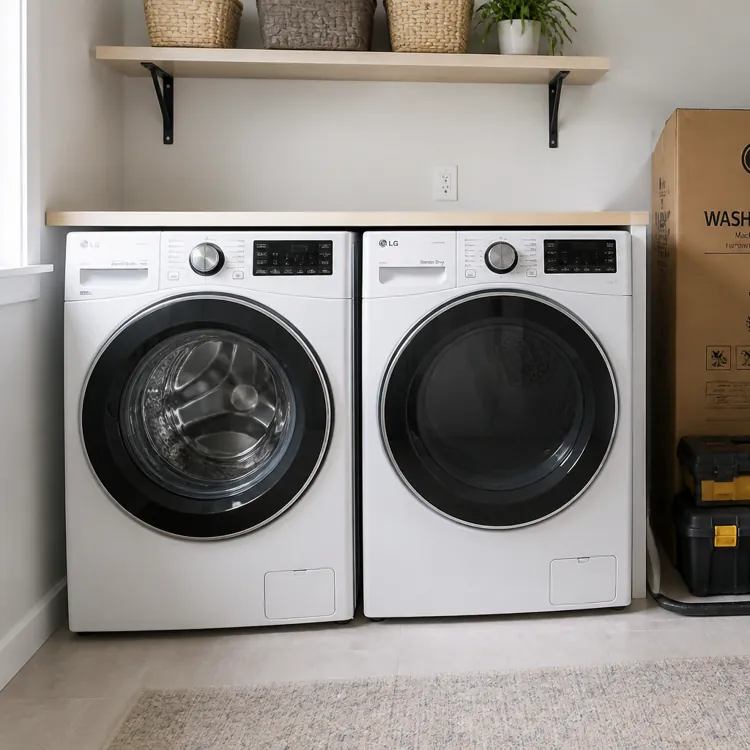



What is a home warranty?
You can think of a home warranty as a comprehensive protection plan for your home’s major systems and appliances. Your home warranty can help pay for necessary repairs and replacements when they arise as a result of normal wear and tear.
You may be wondering whether a home warranty is required, and you’re not alone. Many homeowners fail to understand the difference between a home warranty and a homeowners insurance policy. These two are different but complementary.
“A home warranty covers home systems and appliances when they stop working due to normal wear and tear – like heating and air conditioning system, refrigerator, water heater and washer and dryer,” said Danny Johnson, owner of Danny Buys Houses in San Antonio, Texas. “It can also cover major expenditures like roofing and septic systems.”
A homeowners insurance policy, which mortgage lenders often require to protect their assets until your home is paid off, covers things like structural damage from a fire, water damage from a burst pipe or a natural disaster such as a tornado or a hurricane, Johnson said.
Who should consider a home warranty?
According to 2022 data from American Home Shield, you’re 25 times more likely to use a home warranty than your homeowners insurance. That figure underscores the fact that a home warranty can benefit just about any homeowner.
There are a few scenarios that can make having a home warranty a crucial part of the home ownership experience, rather than just a nice-to-have option. We’ll outline them here.
You purchase or own an older home
Perhaps you opted for that charming old rambler over a new model with less character. Or maybe you decided to buy your childhood home from your parents. An older home can add a fantastic touch of vintage charm to your life, but with this comes potential problems that can quickly become costly. A home warranty can help you stay on top of necessary repairs and replacements.
You’re on a tight budget
If you’re a homeowner without much extra left after each paycheck, a major and unexpected repair could sink you financially. Consider the cost of a gas furnace (up to $12,000) or a roof repair ($394 to $1,943 on average). A home warranty can help cover these costs, which might otherwise be unmanageable.
You’re a first-time homeowner
Sinking a large amount of money into a down payment on a home isn’t easy, especially if you’re not benefiting from equity gained from the sale of another property. A good home warranty can help cover you while you build savings that could go toward major repairs or replacements.
You’re not handy
Many homeowners choose to handle minor repairs or issues on their own to save time and money. But if you struggle to unclog a drain or de-ice a freezer, a home warranty is even more likely to come in handy as you navigate home ownership.
Is a home warranty right for you?
One major similarity between a home warranty and home insurance is that if you have it, you pay for it regardless of whether you use it. And that can make some homeowners hesitant to sign up for a home warranty. When deciding whether you need a home warranty, consider a cost/benefit analysis.
According to our research, the average annual cost of a basic home warranty plan ranges from $350 to $900 per year, with location being the greatest variance. That breaks down to a monthly price range of $30 to $90. But you’ll also pay a service call fee (typically ranging from $50 to $150 per visit) on any work performed.
Warranty decision checklist
So, is a home warranty worth it? It certainly can be. A home warranty can provide major savings if a large repair or replacement becomes necessary, such as an HVAC unit, roof or plumbing. As you decide whether to purchase a home warranty, consult this list of factors to guide you:
- The age and condition of your home’s systems and appliances
- Whether you have ample savings or an emergency repair fund
- Your comfort level with finding qualified contractors in your area
- Whether you enjoy or are capable of DIY skills in the home
- The systems and appliances that the plan would cover
- Any contract exclusions and limitations that apply
- Coverage caps and whether they're adequate for potential repairs
- Whether you have any existing manufacturer’s warranties that would suffice
- The total annual cost versus potential repair expenses (be sure to consult your specific plan)
- Your personal risk tolerance and desire for predictable costs
Alternatives to home warranties
If you’re still undecided about whether to purchase a home warranty, you might consider a few alternatives. We’ve listed some here, along with the benefits and drawbacks of each.
Emergency fund
Johnson, of Danny Buys Houses, recommends setting up a high-yield savings account and depositing money into it every month. “The benefit to this is you avoid having to worry about denial of claims and you can handle the situation immediately yourself. The downside is it requires financial discipline,” he said.
Manufacturer’s warranties
Many brand-new appliances come with a one-year manufacturer’s warranty that covers repairs or replacement at no cost to you. This is a great way to avoid having to pay service fees or deductibles associated with a home warranty.
If you opt for an extended warranty, those expenses are often required. So after the first year, a manufacturer’s warranty isn’t necessarily more beneficial than a home warranty. In addition, having a separate warranty for each appliance in your home can be a lot to keep track of.
DIY maintenance and repairs
Being handy around the house can save you thousands of dollars through the years. Even if you don’t have experience with some specific repairs, online tutorials can walk you through easy to moderate jobs.
Doing the work yourself and purchasing parts at retail prices can save a lot of money, but keep in mind that attempting a job that’s above your skill level could end up costing you even more down the line.
FAQ
Is it mandatory to have a home warranty?
No, a home warranty is not a requirement in any case or in any of the 50 states. The decision to purchase a home warranty lies strictly with each homeowner, who should carefully assess whether it’s right for them.
What are the cons of a home warranty?
The biggest drawback of having a home warranty is that you pay for it monthly, whether you use it or not. If you do have to use your home warranty to cover a needed repair or replacement, you’ll also pay a service fee.
What does Dave Ramsey say about home warranties?
Personal wealth expert Dave Ramsey considers home warranties not worth the cost, instead encouraging people to build an emergency fund to cover repairs and replacements around the home.
In reality, though, few Americans have enough in savings to cover large, unexpected expenses. According to GOBankingRates survey data, 69% of Americans have less than $1,000 in savings. So it’s important to carefully weigh Ramsey’s advice when considering your personal financial situation.
Article sources
ConsumerAffairs writers primarily rely on government data, industry experts and original research from other reputable publications to inform their work. Specific sources for this article include:
- Carrier, “How Much Does HVAC Replacement Cost?” Accessed Feb. 22, 2026.
- First United Bank, “Nearly 7 in 10 Americans Have Less Than $1,000 in Savings.” Accessed Feb. 22, 2026.