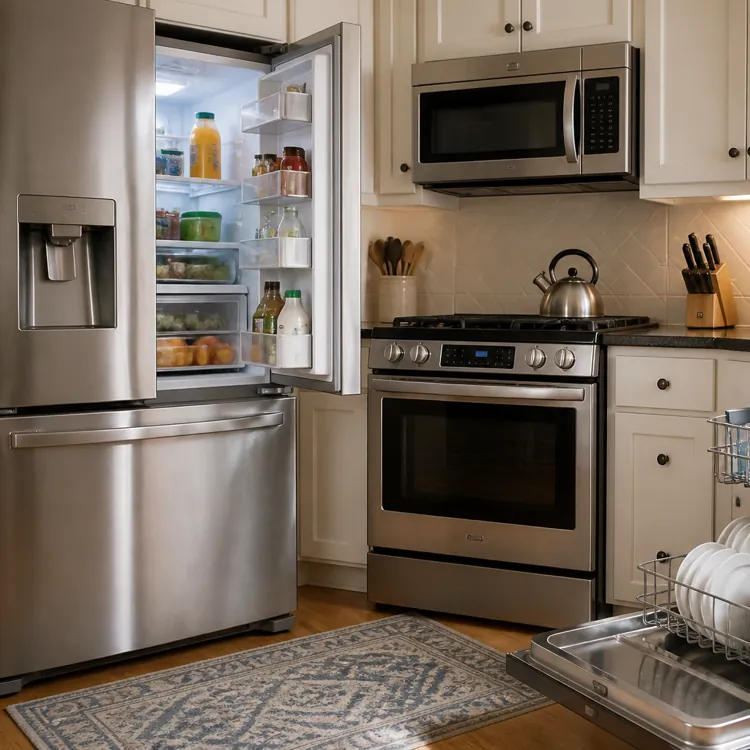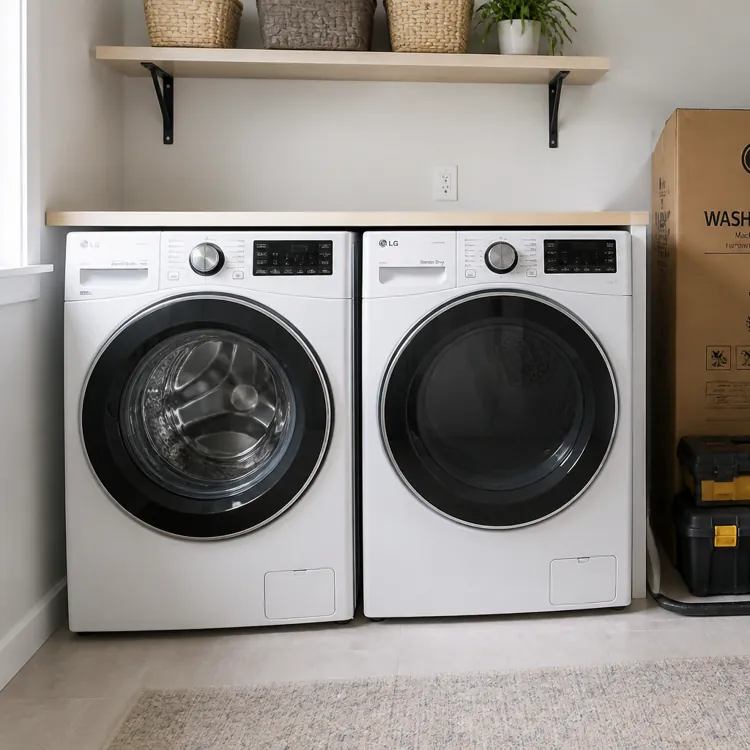


Home warranties probably cover a lot more than you think. Many plans go beyond just appliances with packages that cover systems like plumbing and electrical. You can even get add-ons like pest control and electronics coverage.
That doesn’t mean home warranties cover everything, though. There are limitations to what you can file a claim on. Here’s what you need to know about what a home warranty doesn’t cover.
Key insights
Home warranties cover appliances and systems found in your home.
Jump to insightHome warranties don't typically cover the structural components of your home.
Jump to insightRestrictions and exclusions can limit your coverage.
Jump to insightWhat does a home warranty cover?
Home warranties cover appliances and systems found in your home. Some of the items typically covered include:
Dishwashers
Ovens, stoves and cooktops
Built-in microwaves
HVAC systems
Plumbing
Electrical
Refrigerators
Garbage disposals
Garage door openers
Ductwork
Clothes washers
Some home warranty companies also offer additional services like rekeying for locks, pest treatment and gutter cleaning. Add-on coverage options often address a variety of other coverage needs, including roof leak repairs, septic systems, pools and spas, well pumps, and even electronics like laptops and televisions.
What’s not covered by a home warranty?
While home warranties cover a wide range of things around your home, there are some things they won’t cover. Typically, home warranties don’t include items that are part of your home's construction. So, home warranties won’t cover any foundation problems or problems with insulation, doors, windows and faulty support beams.
Anything found beyond the perimeter of your foundation is typically excluded from your home warranty plan, as well, although some items, like pools and hot tubs, may be available as add-ons or in comprehensive plans. Fences, appliances or systems found in guest houses, outdoor kitchens and anything within detached garages are usually not covered. This also applies to outdoor plumbing fixtures, such as sprinkler systems, underground pipes, septic systems and well pumps.
If you use your appliances or systems for any purpose that's considered commercial rather than residential — for example, if you operate a home daycare or short-term rental — they usually aren't covered under a standard home warranty, either. Be sure to check your contract to see if this may be a problem.
Individual parts of covered appliances or systems may be excluded.
It’s also worth noting that even if an appliance or system is included, coverage may not automatically extend to all its parts. For example, air conditioning system coverage may exclude your AC’s refrigerant and coils, and while a garage door opener is commonly included, the garage doors and track assembly are typically not. Similarly, a refrigerator icemaker may not be covered even if the refrigerator itself is part of your plan.
Home warranties also don’t typically pay to fix secondary damage caused by the appliance or system failure, or by the repair process itself. This means that if your washing machine overflows and floods your home, damaging your floor, the warranty will repair the appliance, but not the damage to your flooring — and if a repairperson has to cut into your drywall to fix a wiring short covered by the warranty, they won’t fix the wall.
Warranty limitations and exclusions
Home warranty companies usually have limitations and exclusions that can prevent certain items from being included in your coverage. Companies often exclude preexisting conditions from coverage, meaning any issues already there before you bought the warranty won't be covered.
Any damage not caused by normal wear and tear isn’t covered, either. This means these situations aren’t covered by your home warranty:
Damage caused by flooding, fire, accidents
Items that were not installed properly or don’t comply with local building codes
Appliances or systems that fail due to neglect or improper maintenance
Cosmetic damage like scratches, dents, dings or rust
Limits may also apply for larger homes, multiunit properties, or multiple systems or appliances. Check your contract to see if there is a coverage limit based on square footage, and ask your provider if additional items — for example, an extra refrigerator or secondary HVAC system — can be added to your plan.
Coverage caps and service fees
Most home warranty companies charge a service fee each time a technician is dispatched to your home. This fee typically ranges from $75 to $125, depending on the provider and your plan. These service fees are paid out of pocket and are required even if the repair isn’t ultimately covered. Be aware that you usually can't choose your own service provider; the warranty company will almost always send its own network technician.
Coverage caps vary by item and provider, so it’s important to review your policy carefully. For example, one company may only cover up to $1,500 for HVAC repairs, while another might provide up to $3,000. After that cap is reached, you’re expected to pay the rest. Understanding these caps can help you avoid unexpected expenses if a repair exceeds your plan’s maximum payout.
Waiting periods and preexisting conditions
Most home warranty plans do not begin coverage immediately after purchase. Instead, there’s typically a 30-day waiting period before you can file a claim. This waiting period is designed to prevent coverage of preexisting problems and fraudulent claims.
Preexisting conditions — issues that occurred before the home warranty was purchased — are almost always excluded from coverage. These can include broken appliances, faulty systems or problems that were known or should have been known during a home inspection. If the issue is found to have existed before coverage began, the provider will likely deny the claim.
It’s important to read the fine print in your policy so you understand exactly when your coverage starts and what qualifies as a preexisting condition.
Home warranty vs. homeowners insurance
There is a fundamental difference between what items and what causes of damage are covered by a home warranty and a homeowners insurance policy. Home warranties exclude structural damage, while homeowners insurance covers both your home’s structure and its contents, but only for problems with specific causes.
While a home warranty is designed to protect appliances and systems that fail due to everyday wear and tear, homeowners insurance specifically covers damage due to catastrophic events such as theft, vandalism and certain disasters.
FAQ
What are the pitfalls of a home warranty?
Home warranties typically have limitations and exclusions that could get your claim denied. Generally, only problems caused by normal wear and tear are covered.
How much does a home warranty cost?
Home warranties can cost between $350 and $900 per year, depending on the plan and coverage.
Is a home warranty worth it?
Whether a home warranty is worth it depends on your situation. You may not need a home warranty for a brand-new home or appliance. On the other hand, if you have systems or appliances around your home that may need repairs in the near future, a home warranty may be a good way to save money on repairs.
Are roof and foundation issues covered by a home warranty?
Most home warranty plans include limited coverage for roof leaks, but foundation problems are typically excluded. Structural components like foundation cracks, settling or shifting are considered part of the home's construction and not covered.
Are pools and spas covered under a home warranty?
Pools and spas are not always included in standard home warranty plans, but may be available as optional add-ons. Be sure to check your contract to see if they’re included and understand the coverage limits.
What if my appliance is still under a manufacturer’s warranty?
If an appliance is still under the original manufacturer’s warranty, your home warranty provider may require you to file a claim through that first. Home warranties are meant to supplement, not replace, manufacturer coverage.
Bottom line
It's important to understand what your home warranty doesn't cover to set the right expectations and make the most of your plan. Make sure to give your contract's terms and conditions a good read-through so you know exactly what's included and what's not.
Article sources
ConsumerAffairs writers primarily rely on government data, industry experts and original research from other reputable publications to inform their work. Specific sources for this article include:
Marzen, Chad G., "An Analysis of Home Warranty Contracts." Accessed Sept. 10, 2026.
National Home Service Contract Association, "Industry Overview." Accessed Sept. 10, 2026.