

New-construction window materials
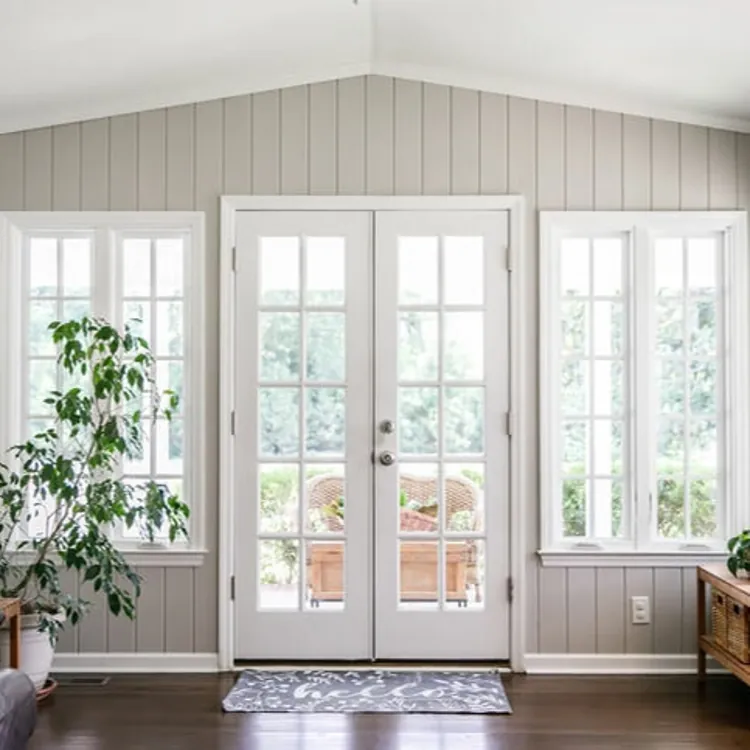
When choosing windows for new construction, you’ll have a few frame materials and glass options available to you. These will affect your window costs, lifespan and curb appeal, so they’re crucial factors to get right.
New construction window frame materials
There are five primary window frame materials you can choose from: aluminum, composite, fiberglass, vinyl and wood. These all come with different costs, efficiency considerations, aesthetics and expected lifespans.
- Aluminum: Aluminum frames are the most affordable but have the lowest insulation values and the shortest lifespans. They can also dent, which detracts from visual attractiveness, and they can be challenging to paint. Aluminum has outstanding DP ratings, so it’s common in commercial applications for large windows and in areas prone to strong winds.
- Composite: Composite frames combine different materials, often wood and vinyl, for balanced durability and efficiency. They’re on the expensive side, but they generally have excellent energy efficiency ratings.
- Fiberglass: Fiberglass is the most expensive material, but it lasts the longest and has the highest insulation value. Fiberglass is ideal in extreme climates, and it’s an upgrade that can end up paying for itself in savings on heating and cooling bills.
- Vinyl: Vinyl is the most popular window frame material, as it balances affordability and performance for outstanding value. The material can be difficult to paint and is usually only available in limited colors.
- Wood: Wood is ideal for a more traditional aesthetic, or for homeowners who want to customize the look of their windows, as it’s easy to refinish. It can expand and contract with dramatic changes in temperature and humidity. It’s also an expensive material, but it can add tremendously to your home’s curb appeal and value.
Window frame materials compared
Here’s a quick breakdown of how the different window frame materials compare.
| Average cost per window | Insulation value | Lifespan (years) | Best for | |
|---|---|---|---|---|
| Aluminum | $400 to $900 | Low to moderate | 15 to 20 | Affordability |
| Composite | $600 to $1,200 | Very high | Varies | Durability |
| Fiberglass | $700 to $1,500 | Very high | 20 to 40 | Energy efficiency in extreme climates |
| Vinyl | $300 to $800 | High | 20 to 40 | Value |
| Wood | $800 to $1,500 | High | 30+ | Traditional aesthetic |
Glass options for new-construction windows
You’ll also often have some glass options to choose from, depending on the manufacturer you choose.
- Single-pane glass: Single-pane glass is uncommon unless you’re installing storm windows over existing windows. This is the most affordable glass option, though.
- Double-pane glass: Double-pane glass is the industry standard for new construction windows. It has two panes of glass with a layer of argon or krypton sealed between them for added insulation. You’ll get much better energy efficiency and sound reduction than with single-pane glass.
- Triple-pane glass: Upgrading to triple-pane glass will add between $100 and $200 per window, but you get even better energy efficiency and sound dampening.
- Low-E glass: Low-emissivity coatings can add $50 to $150 per window to your total, but it improves energy efficiency and can end up saving you money on energy bills over time. It might also help your windows qualify for efficiency rebates or incentives.
- Window tint: You’ll pay an additional $75 to $150 per window to add tinting. This can help improve energy efficiency, and it’s ideal for limiting interior UV damage and solar heat gain in very sunny climates, especially on southern-facing windows.
New-construction window styles
Aside from window frame and glass materials, the most important decision you’ll need to make for your new construction project is which type of windows to install. You can start by choosing styles that suit your aesthetic preferences and add intrigue to your home’s exterior, but there’s more at stake than appearance.
You should also consider how the window style you want affects ventilation, privacy, natural light, views of the outdoors and security to make sure you’re getting the best option for your space.
Operability is a key factor as well, as it influences most other factors. Inoperable windows are the most energy-efficient and secure because they don’t have movable sashes with seals that can fail or provide access, but they’re harder to clean and offer no ventilation.
New construction window styles compared
Here’s a side-by-side comparison of the most common window styles to help you choose.
| Average price per window | Efficiency | Ventilation | Natural light/views | Security | Best for | |
|---|---|---|---|---|---|---|
| Awning | $400 to $900 | High | High | High | High | Maximum ventilation with some protection from rain |
| Bay | $1,500 to $7,000 | High | Moderate (if fitted with casement windows) | High | High | Curb appeal and natural light |
| Bow | $1,500 to $7,000 | High | Moderate (if fitted with casement windows) | High | High | Curb appeal and natural light |
| Casement | $450 to $1,000 | High | High | High | High | Ventilation, efficiency and security |
| Double-hung | $400 to $900 | Moderate | Moderate | Moderate | Moderate | Value |
| Egress | $2,500 to $5,000 | Moderate | Moderate | Moderate | Moderate | Basements for safety |
| Hopper | $250 to $600 | High | Low | Low | High | Basements without window wells |
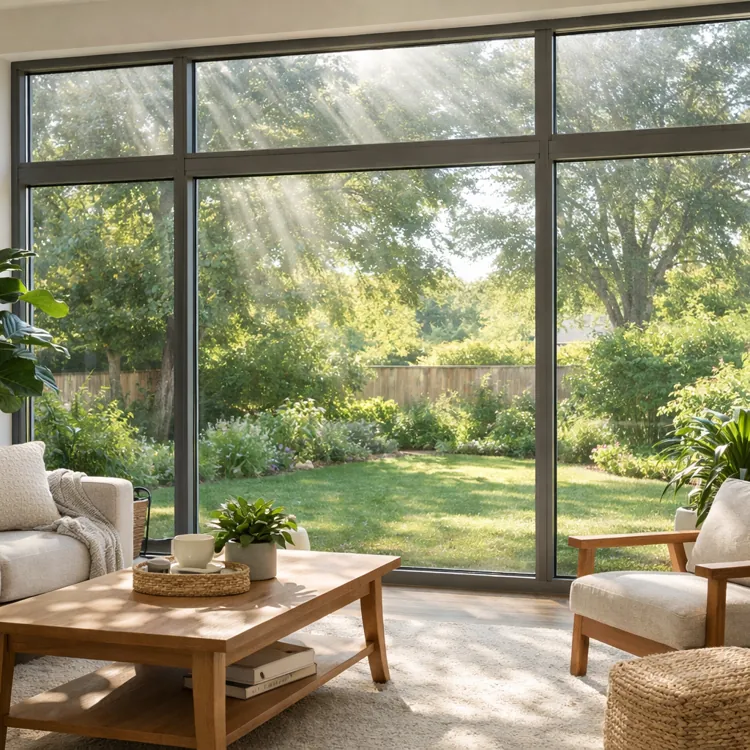
| Picture | $250 to $800 | Very high | None | Very high | Very high | Maximum natural light and views |
| Single-hung | $300 to $700 | Moderate | Low | Moderate | Moderate | Affordability |
| Skylight | $3,000 to $8,000 | Moderate to very high | None to moderate | High | Very high | Natural light and privacy |
| Slider | $400 to $800 | Moderate | Moderate | Moderate | Moderate | Ventilation without taking up interior or exterior space |
| Transom | $200 to $600 | Usually very high | Usually none | Low | Very high | Above exterior doors |
New-construction window installation
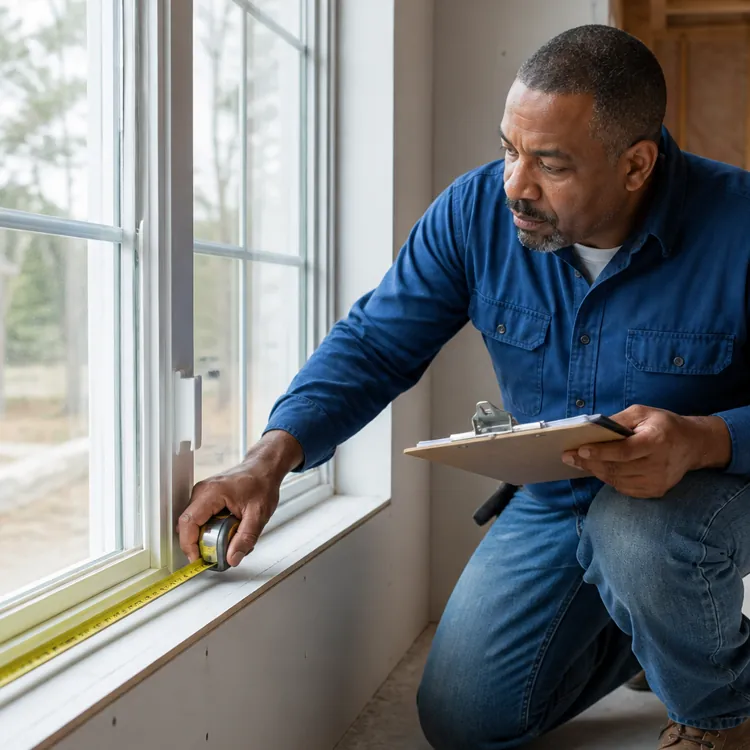
You also have some choices to make when choosing a window installer. Not only does the quality of the installation have a major impact on energy efficiency, aesthetics and long-term value, but the type of installation can affect window performance across different metrics as well.
You should also make sure your window installer follows all local building codes and considers sealing options for leak protection, insulation and air sealing for improved efficiency, as well as egress requirements for safety.
Nail fin vs. flush fin vs. block frame installation
There are three main types of window installations to consider: nail fin, flush fin and block frame. Nail fin is the best option for new-construction windows; flush fin can be an option for new construction with stucco siding, and block frame is best for window replacements down the road.
- Nail fin installation: These windows have a fin that your installer will nail directly to studs during construction. The fin sits behind exterior cladding and siding for maximum leak protection and insulation. After your siding goes up, this installation option is no longer viable.
- Flush fin installation: Flush fin windows have a fin that extends out from the window on all four sides and sits flush against your siding. It’s most common for window replacements on homes with stucco siding, but some builders use this installation method on new construction as well.
- Block frame installation: You’ll almost never see block frame installation in new construction, as this is a better fit for replacement windows, where the existing window frame will remain in the exterior wall.
Flashing and water management
All reliable window installers will use best practices when installing flashing tape and sealing around your windows. In most cases, this involves sealant around most of the outside of your window with a gap for drainage at the bottom and a layered system of protection that uses window flanges, flashing, house wrap and siding to keep water out.
Air sealing and insulation methods
Speak with your installer about sealing around the perimeter of your window to prevent air seepage, as well as adding spray foam insulation during the installation for better thermal performance. Most installers will do this automatically, but it’s a good idea to confirm, especially if you live in an extreme climate.
Code and egress considerations
Finally, ask your installer to make sure they’re following local regulations and building codes. This is especially important when installing bedroom windows and basement egress windows that have strict requirements pertaining to minimum opening dimensions and operation for safety purposes.
How to choose the best windows for new construction
Most homeowners prioritize energy efficiency and aesthetics when choosing windows for new construction, as these affect the long-term cost of ownership and resale value. There are a few specific things you should look for in terms of efficiency, value and other factors. The best window companies will consider all of these when helping you decide.
U-factor
The U-factor of your window tells you how well it insulates, with lower numbers meaning better insulation. Most windows have U-factors that range from 0.2 to 1.2. In Northern states, you want to aim for a U-factor of 0.3 or below, while 0.6 or below meets Energy Star recommendations for Southern states.
Solar heat gain coefficient (SHGC)
SHGC tells you how much of the sun’s heat enters through your window, with lower numbers meaning your windows will keep more solar heat out. Energy Star recommends an SHGC below 0.27 for Southern states, with no recommended value in Northern states. Consider lower values for windows that face south and see direct sunlight.
Visible transmittance (VT)
Visible transmittance tells you how much light comes through your windows, which affects both the U-factor and the SHGC. A value of 0 would mean no light passes through, while a value of 1 would mean all of it does. VT also affects how materials in your home fade from UV light exposure.
Air leakage
This rating tells you how much air enters through a window under pressure. It’s a key rating to pay attention to in areas that see heavy wind or extreme temperature differences between indoor and outdoor areas.
Energy Star climate recommendations
Energy Star labels on windows provide all of the information above for the product and allow for easy comparisons. Choosing an Energy Star-certified product, regardless of the specific values, can help reduce heating and cooling bills.
Coatings and treatments
You can purchase new windows that have different treatments affecting efficiency and light transmittance. A low-emissivity (low-E) coating, for example, reduces solar heat gain while still allowing for light to pass into your home. Window tinting can reduce a window’s SHGC as well as reduce UV light damage to your flooring, furniture and other belongings.
Design pressure (DP)
DP refers to the direct pressure a window can withstand from wind. This is a key metric to consider in areas that see hurricanes, tropical storms, tornadoes or other extreme wind events.
Warranties
Most window companies offer manufacturer warranties that guarantee your windows won’t fail because of manufacturing defects. These vary in length based on the brand but also the glass type and the frame material. Longer warranties are usually preferable. You should also look for labor warranties from your installer, which cover the labor and may even guarantee that you won’t experience leaks for a certain period.
Color and hardware options
The frame material and brand you choose will dictate what frame colors and hardware options are available. Some materials, like wood, are easy to paint or stain, offering more customization options but requiring work on your part. You can always replace hardware, but it will increase upfront costs.
Grille options
Windows come with different grille options, too, so choose a manufacturer that has a grille design that suits your preference and your home’s appearance.
Upfront cost
Of course, you’ll want to pay close attention to the upfront cost of your windows. Consider brands that offer discounts on whole-home window replacements or bulk discounts. You can also look for a window installer who offers a break on labor fees for larger projects.
Expected lifespan
Finally, consider how long your window will last. Frame material, glass material and brand quality all play a key role here and will determine your long-term cost of ownership.
FAQ
Who makes the best new construction windows?
There’s no single best brand that will appeal equally to all homeowners, but brands like Andersen, Pella, Marvin and Champion are some of the most popular for new construction windows. The frame material, glass options, window style and installation quality are more important than the brand, so prioritize energy efficiency, long-term performance, durability and a reliable installation for the best results.
Are Andersen windows better than vinyl windows?
Andersen windows tend to be more expensive but offer better performance than most vinyl windows. Andersen is a brand that makes windows with different frame materials, while vinyl is a particular frame material, so neither is exclusively better than the other. However, most of Andersen’s windows have a composite frame, which is superior to vinyl in energy efficiency and, often, lifespan.
What is the difference between new-construction windows and replacement windows?
New-construction windows usually attach directly to your studs and have fins that sit behind exterior cladding, house wrap and siding, while replacement windows fit inside existing frames and either have fins that sit behind house wrap and siding or sit in front of siding. As a result, new-construction windows offer better insulation and protection from water.
Are fiberglass windows better than vinyl for new construction?
Fiberglass windows are more energy-efficient than vinyl, and they tend to look nicer and enhance home value. However, vinyl is a much more affordable window frame material, so it’s a better option for budget and long-term value, especially since these materials have a similar lifespan.
Bottom line
The best windows for new construction usually have vinyl frames and double-pane glass, but more importantly, frame and glass materials should match the local climate. Try to maximize window lifespan and energy efficiency for your area while also maintaining a pleasing outward appearance for the best results and value.
Article sources
ConsumerAffairs writers primarily rely on government data, industry experts and original research from other reputable publications to inform their work. Specific sources for this article include:
- U.S. Department of Energy, "Guide to Energy-Efficient Windows." Accessed Sept. 11, 2026.
- Lawrence Berkeley National Laboratory, "Windows 101: Episode Five Fact Sheet: Optical Properties of Windows." Accessed Sept. 11, 2026.
- United States Environmental Protection Agency, "ENERGY STAR Product Specification: Residential Windows, Doors, and Skylights Eligibility Criteria, Version 6.0." Accessed Sept. 11, 2026.
- United States Environmental Protection Agency, "Residential Windows, Doors, & Skylights." Accessed Sept. 11, 2026.
- United States Department of Housing and Urban Development, "Design Loads for Residential Buildings." Accessed Sept. 11, 2026.
- Penn State College of Earth and Mineral Sciences, "10.12 Frame and Spacer Materials for Windows." Accessed Sept. 11, 2026.
- Andersen Corporation, "Compare Windows | Andersen Windows." Accessed Sept. 11, 2026.