


Daily walk-in tub cleaning checklist
Rinse your walk-in tub after each use to prevent soap scum and mineral buildup — it takes less than five minutes. Rinsing is especially important if you have hard water.
Avoid using large amounts of body oils in the shower or tub; they leave a slick buildup. Most manufacturers say Epsom salts are OK.
- Wipe down the fixtures and the tub walls with warm water to remove any body oils or soap suds. Use the shower wand if you have one.
- Use your shower wand to spray down the tub with warm water. The warm water rinse helps remove mineral deposits, like limescale, before they can harden on the tub's surface, making your weekly cleaning routine much easier.
- Squeegee to remove excess water and prevent water spots.
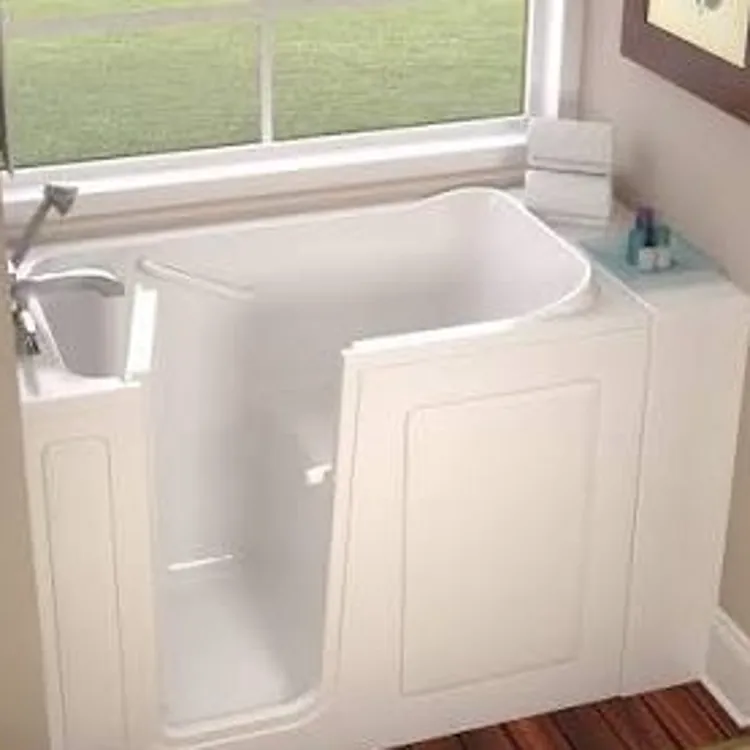
- Leave the door open after each bath. This allows the seal to dry completely, which helps prevent mold and mildew.
» COMPARE: Best walk-in bathtubs
Weekly or monthly walk-in tub cleaning checklist
Residue can start to build up after a few weeks of regular use. Depending on how frequently you use your tub, it may need a deep clean weekly or even just once a month. For a more thorough clean, do the following:
- Clean the tub with mild soap and a soft cloth. Focus on areas where soap residue and body oils accumulate in your tub.
- Once per week, use rubbing alcohol on a soft cloth to wipe down the door seal, removing any buildup. Buildup could prohibit the door from shutting fully, causing leaks.
- American Standard recommends filling the tub with hot water and adding two or three tablespoons of low-foaming detergent (dishwasher granules, for example) every few weeks.
- Run the jets for 10 minutes, drain the tub completely and fill it with clean water.
- Run the jets again as a “rinse cycle” and drain.
Walk-in tub deep-cleaning checklist
Every month or two, you should give your tub a deeper cleaning to purge its entire system of water scale, soap residue and other buildups.
Never run jets when the tub is dry.
Your tub maker may recommend specific cleaning products or a bleaching schedule. Refer to your owner's manual or consult with your tub’s manufacturer or installer for instructions.
According to Safe Step, this is the best way to deep clean a walk-in tub:
- Put on rubber gloves and safety glasses to protect yourself from cleaning chemicals and splashing water. This safety equipment is essential when working with bleach and other cleaning solutions.
- Fill the tub to just above the highest whirlpool jet with warm water.
- Mix a cup of non-splash bleach and a spoonful of automatic dishwashing soap into the water.
- Turn your system on and let it run for 15 minutes.
- Drain the water.
- Refill the tub with warm water.
- Let the system run for an additional 15 minutes.
- Drain the tub, using the shower wand to rinse off the surface.
- Wipe with a clean cloth.
Multiple cycles of filling, draining, refilling and draining may feel repetitive. However, these steps are important to thoroughly rinse out the plumbing.
Best cleaning supplies for walk-in tubs
For daily cleaning, use mild bathroom cleaners without harsh chemicals or abrasive granules. A mixture of baking soda and white vinegar works. If you want extra oomph, foaming formulas can remove soap scum without much scrubbing.
Many manufacturers recommend specific cleaning products that are proven safe and effective for their tubs. For example, American Standard recommends Soft Scrub, while Kohler suggests their branded Tub & Shower Cleaner. Check your owner's manual for product recommendations specific to your tub model.
Using harsh chemicals and abrasive sponges can damage the surface of the tub. If you only have strong cleaners on hand, dilute them with water.
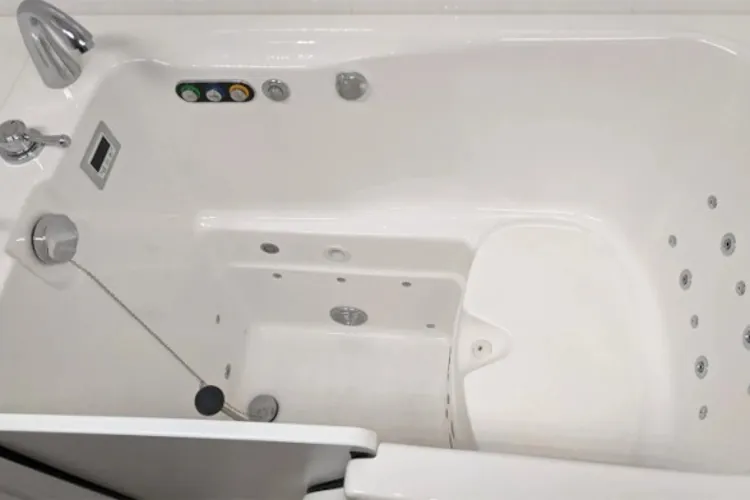
Use a soft cloth or sponge to wipe down the walls of the tub and a soft toothbrush to clean around the jets and drain. You can also use a microfiber cloth to remove some of the residue from surface cleaners. An automotive cleaning compound can be used to restore light scratches and dulled areas, according to American Standard.
Here’s a good checklist of items to have on hand:
- Mild household detergents
- Microfiber cleaning cloths
- Sponge or squeegee
- Glass or faucet cleaning fluid
Cleaning products to avoid
As a rule of thumb, avoid any cleaning products that can scratch the surface of your tub. This includes wire brushes, abrasive sponges and harsh chemicals. Using these can dull the sheen of your tub and leave behind an unattractive or uncomfortable surface.
Stay away from any oil-based cleaning products that leave a residue. Slick surfaces pose a fall hazard in the home, especially for those with limited mobility.
Products to stay away from include:
- Harsh scrubbers, like metal or wire brushes
- Polishes that could make surfaces slick
- Aerosols or abrasive products
How do self-cleaning walk-in tubs work?
Some walk-in tubs include a self-cleaning feature that makes maintenance easier. Self-cleaning walk-in tubs can work in a few ways:
- Ozone sterilization: Some walk-in tubs include ozone generators that automatically disinfect the hydro massage system. These systems kill bacteria within minutes and help maintain sanitary conditions between deep cleans.
- Auto-purge systems: This feature removes leftover water and moisture from the air jet lines after each use. By keeping the lines dry, it helps prevent mold, mildew and unpleasant odors from forming.
- Self-cleaning cycles: Certain models offer a built-in cleaning mode that allows you to add cleaning agents to the water. The tub then runs a cycle to flush and sanitize the jets and internal plumbing.
These newer types of walk-in tubs are more expensive than traditional tubs, but they may be worth it for those with mobility issues or who have difficulty bending over to clean.
American Standard currently offers an ozone self-cleaning feature. The tub automatically cleans itself about 10 to 15 minutes after the user finishes a bath, according to a reviewer in Mississippi.
FAQ
What are the downsides of a walk-in tub?
There are pros and cons to walk-in tubs. Some downsides include:
- Walk-in tubs can be expensive, often costing several thousand dollars, including installation.
- You have to sit inside the tub while it fills and drains, which can feel uncomfortable if the bathroom is cold.
- Some models take longer to fill and empty unless you upgrade the plumbing.
- Installation may require bathroom modifications, and improper sealing can lead to leaks over time if the tub isn’t maintained properly.
How long do walk-in tubs last?
A high-quality walk-in tub typically lasts 15 to 30 years with proper care. The lifespan depends on the material (acrylic and fiberglass are common), how often it’s used and how well it’s maintained. Regular cleaning, checking seals and keeping jets free of buildup can help extend its life. Many manufacturers offer warranties ranging from limited coverage to lifetime warranties on certain components.
What is the best natural cleaner for walk-in tubs?
A simple mix of white vinegar and warm water works well for routine cleaning. Vinegar helps dissolve soap scum and mineral deposits without damaging most acrylic surfaces. For tougher grime, you can sprinkle baking soda on a damp sponge before wiping. Avoid abrasive scrubbers or harsh chemicals like bleach unless the manufacturer specifically says they’re safe, especially if your tub has jets.
What should you consider before buying a walk-in tub?
Before buying a walk-in tub, consider:
- Bathroom space and layout
- Installation requirements and plumbing upgrades
- Door width and step-in height
- Fill and drain speed
- Safety features like grab bars and nonslip flooring
- Warranty coverage
- Total cost, including installation and electrical work if the tub has heated seats or jets
It’s also important to confirm whether your flooring can support the weight of a filled tub and whether your water heater can handle the larger water capacity.
What happens if you don’t clean your walk-in tub?
If you don’t clean your walk-in tub regularly, soap scum, mold and mildew can build up. In jetted models, bacteria and mineral deposits can collect inside the plumbing lines, which may cause odors or clog the system. Regular cleaning helps protect both your health and your investment.
Article sources
ConsumerAffairs writers primarily rely on government data, industry experts and original research from other reputable publications to inform their work. Specific sources for this article include:
- Safe Step Walk-In Tub, "Maintenance Guide for Your Walk-In Tub." Accessed March 2, 2026.
- ElderLife Financial Lending, "How to Maintain Your Walk-In Tub." Accessed March 2, 2026.
- Kohler Co., "Cleaning and Caring for Your Walk-In Tub." Accessed March 2, 2026.