

Aluminum vs. fiberglass windows overview
Aluminum window frames are lightweight and provide an overall sleek, modern appearance. While they aren’t the most energy-efficient available, some varieties have thermal breaks inside the frames that may contain insulation for added benefits. They have a lifespan of 15 to 20 years and are among the most affordable types of windows.
Fiberglass windows have frames made from glass fibers, plastics and other materials. The fiberglass itself is an excellent insulator, so the frames don’t require thermal breaks or added insulation. Fiberglass frames boast the highest energy efficiency and the longest lifespan of most window types, but they are some of the most expensive options available.
“Aluminum is better in two unique circumstances: Architecturally commercial designs that need extremely thin sightlines over huge expanses of glass, or economically minded projects with no energy efficiency needs, such as sun rooms and southern climates,” said Yoni Asulin, owner of ASL Remodeling, a home remodeling company in the Bay Area.
Aluminum vs. fiberglass windows comparison
Here’s a brief overview of how aluminum and fiberglass windows compare in different climates and home styles.
Aluminum works better for:
- Price-conscious homeowners
- Moderate climates
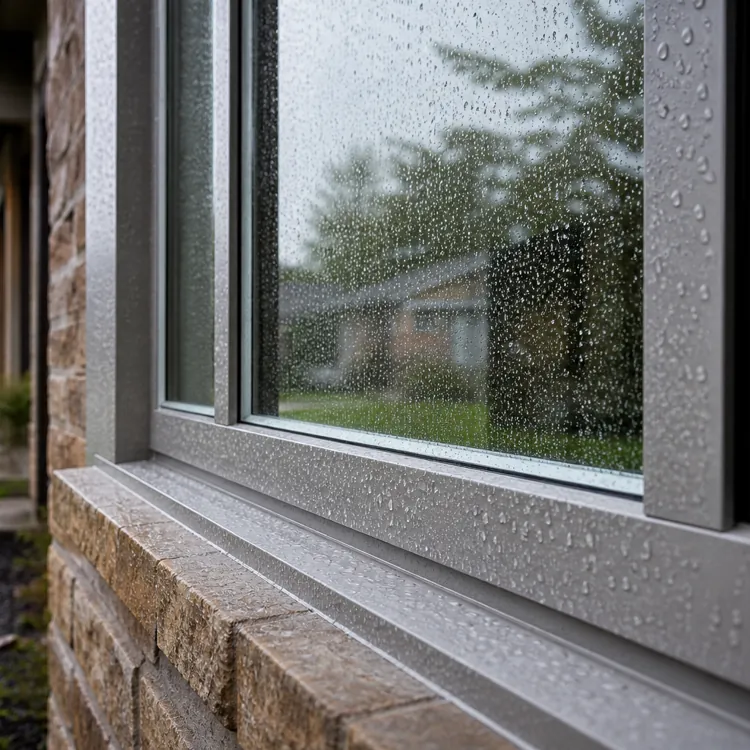
- Areas with excessive rainfall, especially when the aluminum has a powder-coat finish
- Modern homes
Fiberglass works better for:
- Extreme climates, especially when combined with triple-pane, low-emissivity (low-E) glass and window tinting
- Areas with severe weather, as fiberglass stands up much better to impact and severe weather than aluminum, which is prone to denting from fallen tree branches, hail or blown debris
- Coastal areas and areas with high humidity, since the material won’t corrode and can still last up to 40 years, even in harsh conditions
- Areas with excessive rainfall, because fiberglass doesn’t react to moisture, making it a safer option than aluminum
Aluminum vs. fiberglass windows: Energy efficiency
Bare aluminum window frames are the least efficient option, while fiberglass frames are the most energy-efficient. However, there is some nuance here, depending on the type of aluminum frame you choose.
- Bare aluminum frame: Bare aluminum frames with no thermal breaks or insulation have the lowest insulative value of any window frame material. These can be viable options in some mild and moderate climates, but they’re unsuitable for very hot or cold climates.
- Aluminum frame with thermal breaks or added insulation: Aluminum frames with thermal breaks or insulation are more energy-efficient, but still less so than fiberglass. The best window installers should have these as an option, but they’re less widely available than bare aluminum windows.
- Fiberglass frames: Fiberglass frames are the best of the best in terms of insulation, making them ideal in extreme climates. Couple them with triple-pane glass and other upgrades, like low-E coatings and tinting, and you have the most energy-efficient windows available.
Thermal conductivity and comfort comparison
Thermal conductivity refers to how well your window materials conduct or transfer heat. A material with a high conductivity will act as a bridge for heat to leave your home in the winter and enter your home in the summer, exactly the opposite of what homeowners want.
Aluminum is a good conductor of heat, so it makes for a poor insulator. Fiberglass is a poor conductor of heat, so it makes for an excellent insulator. Basically, if all other factors are equal, fiberglass windows will help keep more conditioned air in your home year-round, which means greater indoor comfort, lower utility bills and less wear and tear on your HVAC equipment.
U-factor comparison
When comparing aluminum and fiberglass windows, pay attention to the U-factor of the frames. The U-factor measures your window’s resistance to heat flow. You can use the table below to determine what rating you need, but generally speaking, a lower U-factor is better, which you’ll always get with a fiberglass window.
| Climate | U-factor guideline |
|---|---|
| Colder climates in the extreme North | ≤0.30 |
| Mixed climates in the North and Midwest | ≤0.32 |
| Mixed climates in the central regions and South | ≤0.35 |
| Hotter climates in the extreme South | ≤0.60 |
Note that a low U-factor is more important in colder climates, which means fiberglass windows are a much better match for extremely cold climates, where heating bills are unusually high.
Solar heat gain coefficient comparison
Another key factor to consider is the solar heat gain coefficient (SHGC), although this only applies to the glass and not the frame. SHGC tells you how much of the heat in the sunlight hitting your window will enter your living space.
While U-factor is a key consideration in colder climates, SHGC is more important in hotter climates. Whether you choose aluminum or fiberglass window frames, look for window glass with a low SHGC in hot climates.
Condensation risk comparison
Finally, you should think about the risk of condensation on the interior of your windows, especially if you live in a hot climate. When one side of your window is hot and the other is cold, condensation will form, which can lead to water damage.
Condensation can be an issue on glass regardless of frame material, but it can also be a problem on your actual window frame if you install aluminum windows. The aluminum itself can have dramatic temperature differences from the inside to the outside, so you may see interior condensation even if you have high-efficiency glass.
Aluminum vs. fiberglass windows: Durability
Aluminum windows last for an average of 15 to 20 years, while fiberglass windows last for an average of 20 to 40 years. In all scenarios, regardless of climate, you’ll get more life out of fiberglass windows. Still, since they’re much more expensive, it’s worth considering the specific risks to your window’s lifespan and deciding from there if the upgrade is worth it.
Expansion and stability
All window frames expand and contract with changes in temperature, but since fiberglass is made with glass fibers, it expands and contracts to nearly the same extent that glass does. This puts less pressure on the seals connecting the materials, which means better performance over time.
Aluminum moves at a different rate, so you’re more likely to get air leaks that zap performance. Even if you don’t consider the overall lifespan difference between the two options, aluminum windows will require more upkeep and repairs over time because the material puts added pressure on window seals.
On the other hand, aluminum is very resistant to bending under loads, so ignoring all other factors, it’s a better option for stability for large wall openings and oversized windows. Fiberglass is also quite strong, though, and it boasts other perks, so it’s usually the better option.
Corrosion, rot and UV exposure
Aluminum will corrode more quickly with exposure to water and salt, so fiberglass is a safer and more durable option, especially in climates that see high humidity, excessive rainfall or coastal areas with salt in the air.
Neither material is prone to rot, although there’s a risk for aluminum-clad windows, which usually have wooden frames that are prone to rot.
Both aluminum and fiberglass windows have good resistance to UV exposure, and while both can fade over time, they're both relatively easy to paint to restore their appearance.
Resistance to extreme weather
Finally, you should consider how your windows will stand up to extreme weather. Aluminum is prone to denting, which means it’s not ideal in areas that see hail, strong winds, hurricanes, tropical storms, monsoons or tornadoes. Falling or blown debris can dent the material and detract from your home’s curb appeal.
Fiberglass windows are extremely resistant to physical damage, making them some of the best and longest-lasting options in areas that see extreme weather.
If you’re not sure if your climate is problematic for one material or the other, hire a window installer and ask which they recommend.
Aluminum vs. fiberglass windows: Cost and value
On average, aluminum windows cost between $400 and $900, while fiberglass windows average between $700 and $1,500. You could pay less in both cases if you only need a small transom or hopper window, but you could see costs topping $7,000 if you need much larger and bulkier bay or bow windows.
There are a few things to consider that can affect the material, labor and upkeep costs, as well as the long-term value you’ll see from these frame materials.
- Window size: Both window frame materials can support large pieces of glass in oversized wall openings, but since aluminum is more stable under loads, you’re more likely to see higher costs due to large window dimensions for aluminum windows.
- Efficiency upgrades: Most homeowners who choose fiberglass windows do so for the energy efficiency. Other upgrades that can increase material costs, like triple-pane glass, low-E glass and window tinting, increase efficiency too. This contributes to a slightly higher all-in window replacement cost for fiberglass windows.
- Maintenance costs: Fiberglass windows need less maintenance because the material is very stable in all conditions. You’ll pay more for maintenance over time for aluminum windows, for repairs and also for cleaning, to ensure moisture-trapping dirt and dust doesn’t build up and lead to early corrosion of the frame.
- Refinishing costs: Aluminum and fiberglass windows cost about the same to refinish, but you’re likely to need refinishing more often on aluminum windows because the actual aluminum, if exposed, will rust. Most homeowners paint fiberglass for aesthetics rather than longevity, so the necessary costs are lower.
- Long-term performance: You should consider long-term performance when deciding if the upgrade to fiberglass is worth it. In moderate climates, it often isn’t, but in extreme climates, fiberglass windows can pay for themselves over time by reducing heating and cooling bills and saving you money on HVAC repairs and maintenance.
- Impact on home value: Most buyers will understand that fiberglass windows are better for efficiency, comfort, longevity and peace of mind, so they’re more likely to pay more for a home with the higher-end material. Additionally, fiberglass windows usually have a nicer curb appeal, which can boost home value even further.
FAQ
Are fiberglass windows more fire-resistant?
Aluminum windows are more fire-resistant than fiberglass windows, but both are safe to use for fire prevention purposes, as they are noncombustible. For the best protection against fire spreading in your home, choose either aluminum or fiberglass windows that have double-pane tempered glass and noncorrosive screens.
Do aluminum windows get hotter?
Aluminum is a better conductor of heat than fiberglass, so the material will feel hotter to the touch. Additionally, aluminum will act as a bridge between the outdoor and indoor air, which means more heat can leave through aluminum frames during the winter and enter through the frames during the summer.
Can you paint fiberglass windows?
Yes, you can paint fiberglass windows to restore the appearance after fading from UV light, or to change up the look of your home. You’ll want to make sure you prep the surface according to the paint manufacturer’s directions to get good adhesion.
Should 20-year-old windows be replaced?
The average window lifespan is around 20 to 30 years. Vinyl and fiberglass windows last up to 40 years, wood lasts 30 or more years and aluminum lasts 15 to 20 years. At 20 years old, replace aluminum windows. For all other frame materials, check for proper seals, rot and other signs of deterioration and consider replacing if your windows are in poor condition.
Bottom line
Choose aluminum windows if you’re on a tight budget and live in a mild climate, where energy efficiency isn’t as important. Go with fiberglass frames if you reside in a more extreme climate, want a more traditional appearance or want the longest-lasting and most durable window frames available.
Article sources
ConsumerAffairs writers primarily rely on government data, industry experts and original research from other reputable publications to inform their work. Specific sources for this article include:
- Building and Construction Technology, Department of Environmental Conservation, College of Natural Sciences, University of Massachusetts Amherst, "Windows: Understanding Energy Efficient Performance." Accessed Sept. 30, 2026.
- International Association of Certified Home Inspectors, "U-Factor Ratings for Windows." Accessed Sept. 30, 2026.
- Federal Emergency Management Agency, "Maui Wildfires Mitigation Assessment Team Recovery Advisory # 4 (RA-4): Fire-Resistant Materials and Assemblies." Accessed Sept. 30, 2026.