

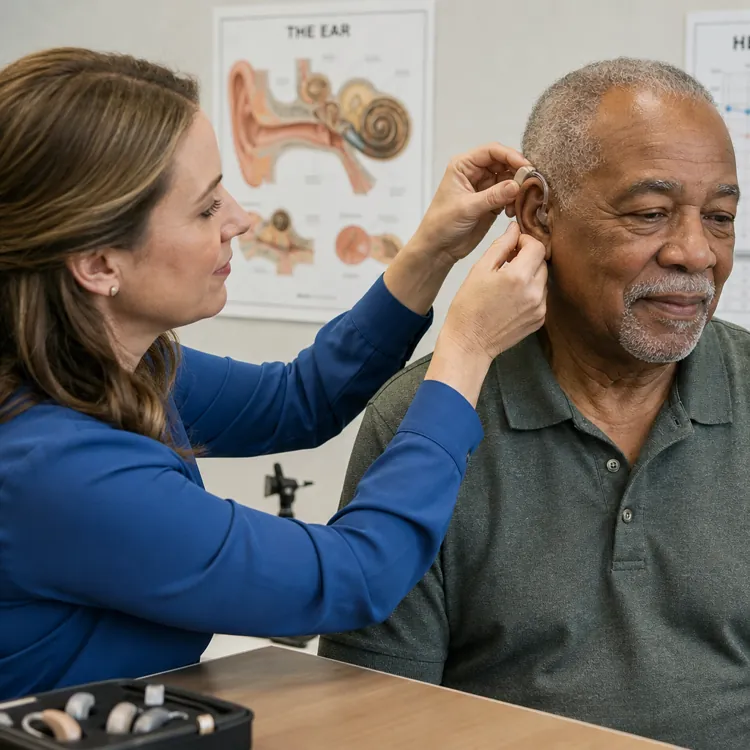
Does Original Medicare cover hearing aids?
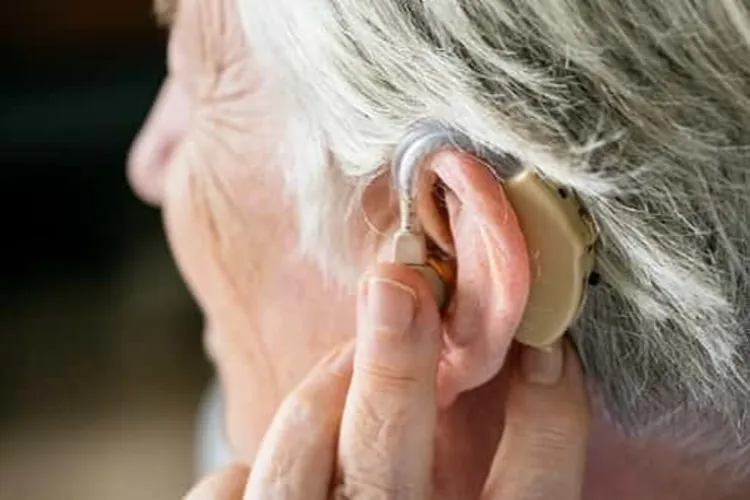
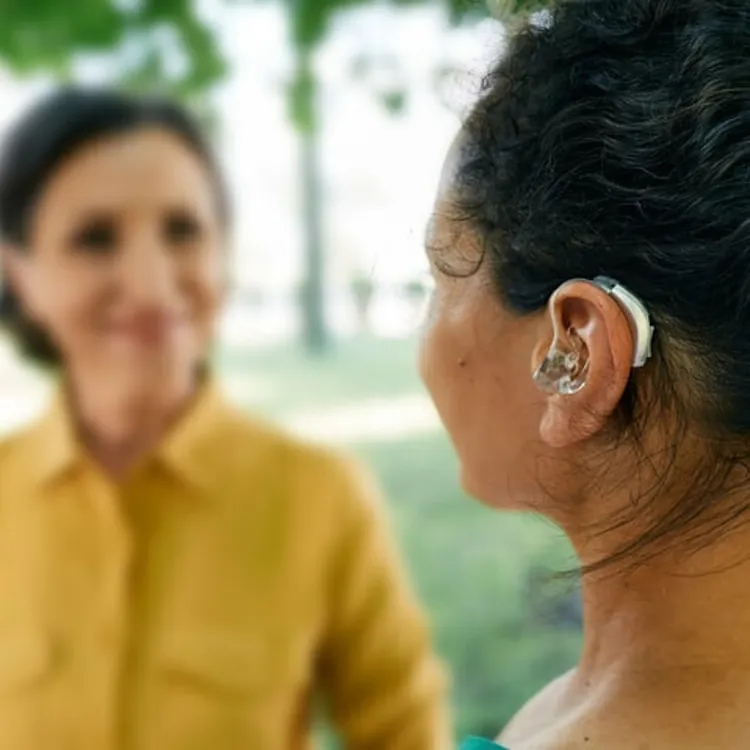
Original Medicare, including Part A hospital insurance and Part B medical insurance, doesn’t pay for hearing aids or exams performed to fit them, so beneficiaries cover these costs entirely out of pocket.
This gap traces back to the Social Security Amendments of 1965, which created Medicare but placed hearing aids and fitting exams in a statutory “routine” services exclusion, grouping them with eyeglasses and most dental care. Lawmakers at the time viewed these devices as consumer purchases rather than medical treatment, even though hearing loss is common in older adults.
Hearing exams and fitting rules
Routine hearing exams to check whether you need hearing aids are not covered under Part A or Part B. However, diagnostic hearing or balance tests ordered by a doctor to investigate a medical problem such as dizziness or vertigo are covered under Part B. This comes with the usual deductible and 20% coinsurance, plus a possible hospital copay in outpatient settings.
Fitting appointments and follow-up checks for prescription hearing aids fall squarely in the non-covered category, which means you pay the full bill for those visits as well as for the devices themselves. Typical prescription hearing aids run about $1,000 to $4,000 per pair, so the exclusion has significant financial consequences for many people on Medicare.
Exceptions for diagnostic hearing tests
Medicare’s main hearing-related exception is coverage for doctor-ordered diagnostic hearing and balance exams under Part B, including some testing tied to surgically implanted devices like bone-anchored systems, which Medicare classifies as prosthetics instead of hearing aids.
You still pay the Part B deductible and 20% of the Medicare-approved amount for these covered tests, but the program doesn’t extend that protection to routine hearing checks or conventional hearing aids, despite decades of advocacy to change the statute.
Medicare Advantage hearing aid coverage
Most Medicare Advantage (Part C) plans include some hearing benefits, typically at least one routine hearing exam per year plus help paying for hearing aids and fitting visits. Plans often use allowances or discount programs instead of open-ended coverage, such as paying a fixed dollar amount per device (for example, $500 to $2,000) or every few years, with you being responsible for any costs above that cap.
Copays and coinsurance vary widely: some plans offer a no-cost annual exam and tiered copays for basic, midlevel and premium devices, while others apply percentage-based coinsurance or require you to buy through a contracted vendor program.
Networks and prior authorization
Hearing benefits under Medicare Advantage are usually tied to network providers and specific hearing aid suppliers, which means you need to see an audiologist and purchase devices within the plan’s contract network to get full coverage.
Many plans also require prior authorization and preapproval for hearing aids, especially higher-cost models, so your audiologist or hearing center may need to submit documentation before the plan pays its share. Out-of-network care is often covered at a lower level, such as reduced allowances or higher copays, and some plans don’t pay at all if you go outside the network for exams or devices.
How to confirm your benefits
Because hearing coverage details vary by plan and county, you have to check your own Evidence of Coverage (EOC) document or summary of benefits to see what’s included, what the dollar limits are and which providers participate.
Look for sections labeled “hearing services” or “additional benefits” and pay attention to how often the allowance renews, whether fittings and follow-ups are covered, and what you owe in copays or coinsurance for each visit or device.
| Benefit type | What’s covered | Common limits | Typical costs | Where to verify |
|---|---|---|---|---|
| Hearing exam | Routine hearing test, sometimes balance screening | Often 1 exam per year | Often $0 in-network, higher out-of-network | Evidence of Coverage “Hearing” section |
| Hearing aids | Allowance, discount or set device tiers | Dollar cap per device or per 2 to 3 years | Copay per device or coinsurance above allowance | EOC benefits and vendor program details |
| Fittings and follow-ups | Initial fitting, programming, follow-up checks | Included with device or limited visits | Often bundled, sometimes standard visit copay | EOC “hearing aid services” section |
| Repairs and batteries | Warranty repairs, occasional battery coverage | Included with device or limited visits | Often bundled, sometimes standard visit copay | Hearing benefit rider or EOC |
| Out-of-network care | Exams and devices from nonnetwork providers | Frequently excluded or paid at a lower level | Higher copays, reduced allowance or no coverage | EOC “out-of-network” rules |
Medicare coverage for cochlear implants
Cochlear implants are surgically implanted electronic devices for people with moderate to profound hearing loss who get little benefit from traditional hearing aids. Medicare treats them as prosthetic devices, which puts them in a different coverage bucket than standard hearing aids and fitting visits.
Who may qualify medically
Medicare covers cochlear implant surgery and the device itself when it’s medically necessary and you meet specific audiologic criteria, such as bilateral sensorineural hearing loss and limited benefit from appropriately fitted hearing aids based on sentence-recognition testing.
Costs under Part B
If your cochlear implant surgery is done in an outpatient setting, Medicare Part B generally pays 80% of the approved costs for the device, surgery and related services once you’ve met the annual Part B deductible, and you pay the remaining 20% coinsurance. In a hospital setting, Part A may instead apply, with its own deductible and cost-sharing rules.
Those cost-sharing rules mean out-of-pocket expenses can run into the thousands of dollars, especially when you add follow-up programming visits and rehabilitation, though Medigap or employer retiree coverage can help reduce those bills.
Preauthorization and documentation
Because cochlear implants involve surgery and high device costs, Medicare and Medicare Advantage plans usually require detailed documentation: audiology test results, notes showing limited benefit from hearing aids, a diagnosis of bilateral moderate-to-profound sensorineural hearing loss and confirmation that the device is FDA-approved and used as labeled.
Your surgeon or implant center typically handles prior authorization by submitting this information, but you still want written confirmation from your plan before surgery so you understand what Medicare will pay and what you’ll owe.
Hearing aid costs and ways to save
The cost of hearing aids depends on the kind of hearing aids you get and your eligibility for certain discounts.
Prescription vs. OTC hearing aids
Prescription hearing aids cost about $1,000 to $4,000 per ear, with higher prices tied to advanced features, bundled fitting visits and long-term follow-up care. OTC hearing aids for adults with mild to moderate hearing loss skip the audiologist fitting step and usually run from about $100 to $700 per pair, making them a lower-cost option if your hearing needs are simpler.
Discount programs and retailers
You can trim costs using OTC devices, big-box warehouse programs, online discount retailers and manufacturer promotions, especially if you’re willing to try mid-level technology instead of premium models.
Useful ways to cut out-of-pocket spending include:
- Choosing OTC hearing aids when appropriate
- Using discount programs or retailer bundles
- Checking Medicaid rules if you’re dual-eligible
- Applying to charitable hearing aid foundations
- Negotiating prices or service packages with clinics
- Using employer or retiree hearing benefits
- Buying specialty hearing insurance riders
- Asking local nonprofits or agencies about assistance
Medicaid and dual eligible coverage
Medicaid coverage for adult hearing aids varies by state, with some programs paying for devices on a set schedule (such as every few years) and others offering little or no coverage. If you have both Medicare and Medicaid, your state Medicaid program may help cover hearing aids and related visits that Medicare doesn’t, which reduces your overall costs if you qualify under its rules.
Charities and local assistance
Charitable programs, state assistive technology funds and hearing aid banks can provide free or low-cost devices for people who meet income and medical criteria, often supplying refurbished or entry-level prescription aids.
FAQ
How much do hearing aids cost with Medicare?
Hearing aids with Medicare typically cost you the full device price, often around $1,000 to $4,000 per ear, because original Medicare doesn’t cover the hearing aids or fitting exams.
Are hearing aids free for people over 65?
Hearing aids are not automatically free when you turn 65, though some seniors qualify for free or low-cost devices through programs such as Medicaid, the VA or charitable foundations.
Does Medicare Part B cover hearing aids?
Medicare Part B doesn’t cover routine hearing aids or fittings, but it does cover certain diagnostic hearing and balance exams ordered by a doctor, usually with a 20% coinsurance after the deductible.
Why doesn't Medicare cover hearing aids?
Medicare doesn’t cover hearing aids because the original 1965 law explicitly excluded them and their fitting exams as “routine” services, and Congress has never revised that statutory language even as devices have become far more expensive.
Article sources
ConsumerAffairs writers primarily rely on government data, industry experts and original research from other reputable publications to inform their work. Specific sources for this article include:
- U.S. Centers for Medicare and Medicaid Services, "Hearing & balance exams." Accessed July 25, 2026.
- U.S. Centers for Medicare & Medicaid Services, "Cochlear Implantation." Accessed July 25, 2026.
- ACI Alliance, "Medicare Expansion." Accessed July 25, 2026.
- Hearing Industries Association, "The Price of Hearing Aids." Accessed July 25, 2026.
- Audiologists.org, "How Much Are Hearing Aids? Answered by Audiologists." Accessed July 25, 2026.
- Hearing Loss Association of America, "Financial Assistance." Accessed July 25, 2026.
- Missouri Science and Technology Policy Initiative, "Hearing Aids and Medicaid." Accessed July 25, 2026.