

3 steps to getting an RV loan
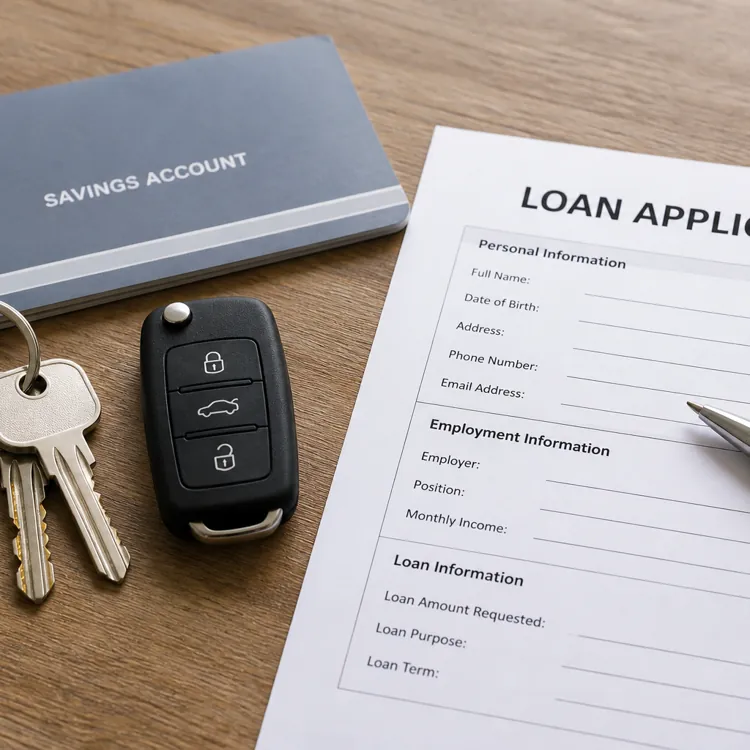
These are the three steps to getting an RV loan as you start your journey toward becoming an RV owner: Get your application ready, find the right lender and apply.
1. Prepare for an RV loan application
Before submitting your RV loan application, make sure you’ve gathered the paperwork your lender has requested from you. Generally, lenders will want to see:
- Proof of income, like pay stubs or tax returns
- Proof of identity, like a driver’s license or passport
- Details about the RV you want to buy, including the VIN (Vehicle Identification Number)
According to Oklahoma Central Credit Union, most lenders look for a credit score of at least 660 in RV financing. Having a higher credit score can often get you lower interest rates.
What if I have a bad credit score?
If your credit isn’t where you want it, focus on steady improvement. Make on-time payments, avoid new credit applications, keep your balances low, maintain a healthy mix of accounts and check your credit report regularly for errors.
» MORE: How to fix your credit
2. Find the right lender
RV dealers, traditional banks, credit unions and online lenders. If you own your house, you might also consider working with a HELOC lender.
Different lenders have set their own interest rates, loan terms and requirements when it comes to RV loans.
“Credit unions are generally more lenient if your credit is borderline and typically offer better RV loan rates than traditional banks or dealership partners,” Baynes said. So, always compare offers from at least three different lenders before committing.
3. Apply
Once you’ve chosen a lender, it’s time to officially submit your application. You can typically do this online; it usually only takes a few minutes to complete.
After you hit the submit button, lenders may take anywhere from a few hours to several days to review your application, depending on your situation and the lender you work with.
Typical RV loan application process
- Complete the application. Provide your personal info, income, housing, employer, the RV’s details and your down payment amount.
- Upload documents. Lenders may also request documents like your ID, recent pay stubs or tax returns and bank statements.
- Credit check and underwriting. Once you submit your application, the lender will review it and verify your income and debts. If you’re buying a used RV, lenders may also request an inspection or valuation.
- Sign and fund. If approved, you’ll want to review your loan terms carefully and ask the lender to explain anything that isn’t clear before you sign the agreement. Some lenders provide same-day or next-day funding, while others may take up to two weeks.
Types of RV loans
There are two main types of RV loans: secured and unsecured. A secured loan uses your RV as collateral. An unsecured loan is based on your credit and income without tying the loan to your recreational vehicle.
Secured vs. unsecured loans
A secured loan may be a better fit if you’re financing a newer or more expensive RV and want lower monthly payments. An unsecured loan typically makes more financial sense if you’re buying a less costly RV or have excellent credit. Here’s why:
Secured RV loans
A secured loan uses your RV as collateral. This means your lender has the legal right to repossess your RV if you stop making payments on the loan. Note that secured loans are often used for RVs with model years less than 20 years, as opposed to older models with higher mileage, so that lenders can recoup their investment if they have to sell the vehicle.1
In addition to collateral, secured loans may also require you to put a down payment on the loan to reduce the risk for lenders.
Secured loan pros and cons
Pros
- Lower interest rates
- Bigger loan amounts
- Easier approval if you have decent credit
Cons
- Risk of losing your RV if you default
- Long loan terms can add up to more interest paid overall
- Down payment
Unsecured RV loans
Unsecured loans don’t require collateral. Instead, lenders rely mainly on your credit score and income to decide whether to approve your application. But because they’re riskier for lenders, unsecured loans typically come with higher interest rates and shorter terms. You might also be limited in how much you can borrow compared to a secured loan.
Unsecured loan pros and cons
Pros
- You won’t lose your RV if you default
- It’s a convenient way to access cash
- The interest rate is typically lower than that of credit cards
Cons
- May have stricter credit requirements
- Higher rates compared to secured loans due to the higher risk for lenders
- Lower loan amount
What to look out for
Reviewers on ConsumerAffairs have expressed frustration with RV loans. Common complaints include:
- High interest rates
- Difficulties with payments
- Lack of assistance in paying off the principal
For instance, Jackie in Kansas took out a $12,000 RV loan with her husband and now feels trapped. In her review, she wrote that despite paying more than the minimum, the principal has barely decreased in five years.
Jackie is frustrated that her lender reported late payments harshly, which damaged her credit.
Overall, Jackie warns others that the $12,000 loan will end up costing around $35,000.
What to know about refinancing an RV loan
An RV loan refinance pays off your existing loan and gives you a new one. This resets the loan and can potentially offer you lower interest rates and better terms.
When refinancing an RV loan can be a good idea
- Interest rates have dropped since you took out your loan
- Your credit score has improved
- You want to lower your monthly payments by extending the loan term
How to refinance an RV loan
Just like with your original loan, you’ll want to shop around and compare offers from at least three different lenders to make sure you’re getting the best deal.
- Check your current loan details. Know your remaining balance and see if there are any refinancing fees or prepayment penalties.
- Shop around. Take the time to compare rates from banks and online lenders to see who offers the best terms.
- Apply. Submit your application with updated income, credit and RV details. Just like when you applied for your original RV loan, lenders will look at your credit history, income, debt-to-income ratio, etc., to determine whether to approve you.
- Review the offer. Make sure that the savings of refinancing outweigh the fees, such as prepayment penalties.
- Close and fund. Once approved, the new lender pays off your old loan and sets up your new payment schedule.
FAQ
Is it hard to get financed for an RV?
How hard it is to get financed for an RV will depend on your credit score, income and the RV’s price. If you have a solid FICO score and a stable income, financing is usually pretty straightforward. That said, RV loans may be harder to get than a regular personal loan or auto loan.
Why might an RV loan application be declined?
Your RV loan application can be declined for several reasons, but the most common ones are usually due to poor credit history, high debt-to-income ratio, insufficient income or the RV not meeting lender requirements.
How can preapproval help in getting an RV loan?
Getting preapproved will give you a better idea of how much you can borrow before you start shopping for an RV. It’ll also show dealers you’re a serious buyer and make your offer more compelling. Preapprovals are typically valid for 90 days.
Can you get an RV loan with bad credit?
Yes, getting an RV loan with bad credit is possible, but not always easy. You’ll likely have to pay higher interest rates and a bigger down payment. Some lenders may work with borrowers who have lower FICO scores, but the loan terms usually aren’t great.
Article sources
ConsumerAffairs writers primarily rely on government data, industry experts and original research from other reputable publications to inform their work. Specific sources for this article include:
- Good Sam, “RV loans & financing.” Accessed Aug. 17, 2025
- Oklahoma Central Credit Union, “What Are The Requirements For An RV Loan?” Accessed Aug. 17, 2025