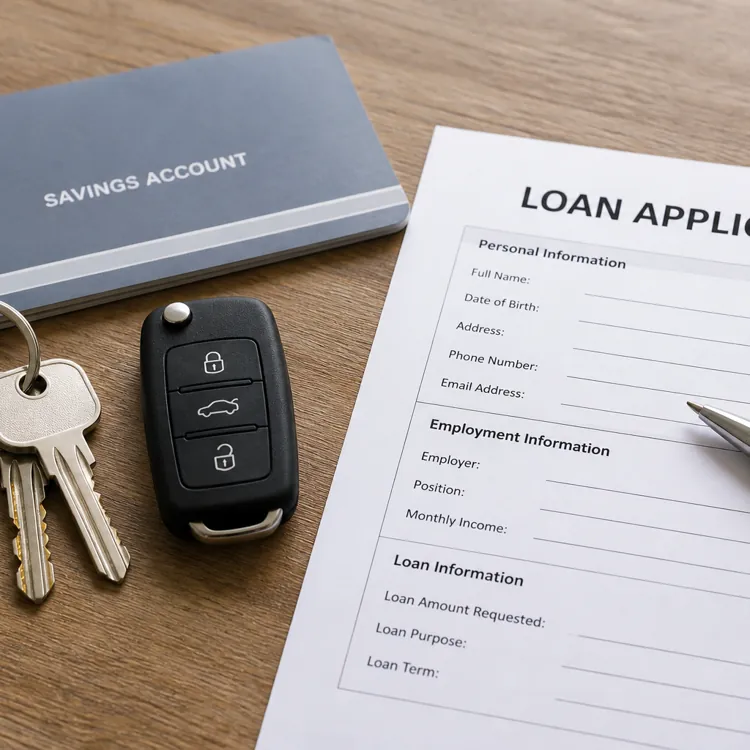


RV loans are a common financing option for those looking to purchase a recreational vehicle (RV). “An RV loan is a bit of a hybrid: it’s part vehicle loan, part lifestyle investment and part asset risk. It may offer the promise of freedom, but that doesn’t mean you can skip reading the fine print,” said Eric Croak, a wealth management advisor and the president of Croak Capital in Toledo, Ohio.
Here’s what you need to know about RV loans, including how they work, factors that affect the cost and tips for managing them.
Why trust ConsumerAffairs?
Our editors, fact-checkers and moderators work to uphold standards for accuracy, transparency and trust.
Our editorial standards
- Our editorial team reviews and fact-checks all content before it’s published.
- We rely on expert input and trusted sources to verify our articles.
- All articles published must meet our editorial standards and independence policy.
Our review standards
- Our moderation team evaluates reviews to make sure they meet our guidelines.
- We require contact information to verify reviews come from real customers.
- Financial relationships do not influence whether we publish a consumer review.
Key insights
RV loan terms usually range from five to 20 years, with secured loans offering the longest terms.
Jump to insightLoan length depends on RV type, loan amount, credit score and lender policies.
Jump to insightShorter terms reduce interest costs, while longer terms lower monthly payments.
Jump to insightPay down debt and correct credit report errors to improve your RV loan options.
Jump to insightTypical RV loan terms
RV loan terms can vary depending on whether the loan is secured or not. Unsecured RV loans typically have loan terms between five and seven years, whereas secured loans can go up to 20 years.
Your exact loan term will also vary based on the RV’s price, your credit profile and the lender’s policies. Longer terms are generally reserved for more expensive RVs that can cost almost as much as a small home.
Unsecured vs. secured RV loans
Want to pay it off fast? Unsecured loans range from five to seven years. Need lower payments? Secured loan terms can be stretched up to 20 years.
Since RVs typically cost more than cars and less than a house, RV loan terms tend to be longer than auto loans and personal loans (which are typically capped at 84 months) but shorter than a mortgage (typically capped at 30 years). “The longer term on RV loans helps shrink the monthly payment, which matters when you are staring down a $90,000 rig,” Croak said.
» NEED LOWER PAYMENTS? Highest-rated secured loans
Factors affecting RV loan terms
The length of your RV loan also depends on factors like the RV’s condition, how much you’re borrowing, your credit score and the lender you choose.
RV type, age and mileage
The kind of RV you’re financing will affect how long your loan term will be. Newer RVs (like Class A or Class C models) often qualify for longer terms, whereas older or towable RVs may be limited to shorter options. Lenders also consider the RV’s mileage and overall condition, especially for used models, since these factors affect the vehicle’s value over time.
Loan amount
Your loan term is also tied to how much you borrow and the lender’s policies. Larger loan amounts are more likely to come with extended terms (up to 15 or 20 years) to help keep monthly payments affordable. Each lender sets its own rules, so compare your options.
Your credit score
Just like with other types of financing, RV loan lenders will look at your credit score. Since longer loan terms come with a higher risk of default, lenders will want borrowers to have excellent credit scores. According to Croak, the best rates typically go to buyers with FICO scores north of 720.
Choosing the best RV loan term
There’s no “best” RV loan term, just one that makes the most financial sense for you. Before choosing a loan term, you’ll want to think about how much you can comfortably pay each month without putting stress on your other financial goals or emergency savings.
Shorter loan terms typically mean you’ll have higher monthly payments, but they also come with lower interest costs overall. If you can afford to shell out more each month, this option helps you pay off the loan faster and save money on interest.
On the other hand, longer loan terms come with lower monthly payments, which can be helpful if you’re financing a large or high-end RV. However, you’ll pay more in interest over time. “Longer repayment terms sound nice on paper,” Croak said, “but they carry higher interest costs, which means you could pay thousands more over the life of the loan just for the privilege of spreading it out.”
Longer repayment terms sound nice on paper, but they carry higher interest costs, which means you could pay thousands more over the life of the loan just for the privilege of spreading it out.”
Longer or shorter loan terms each have their trade-offs, so make a decision based on what your priorities are. If you want to keep your monthly costs low, a longer term could give you more breathing room. But if saving on interest is more important to you, a shorter loan term may be what you’re looking for.
» WANT TO SAVE ON INTEREST? Top-ranked unsecured loans
Impact of credit score on RV loan terms
Generally speaking, the higher your FICO score, the better loan options you’ll have and the less expensive it’ll be to finance your RV. This is because lenders see higher FICO scores as a sign you’re less risky to lend to, so they can afford to offer you better rates.
For example, someone with excellent credit might qualify for a 6% to 7% annual percentage rate (APR), whereas if you have a not-so-perfect credit score, you can expect your interest rate to be higher. Even a slight difference can add up to thousands of dollars in extra interest, especially on larger loans.
If your credit needs work, take time now to pay down your high-interest debts, check your credit report for errors and avoid opening new accounts before applying. You can order a free copy of your credit report from each of the credit bureaus by heading to annualcreditreport.com.
Tips for managing RV loan payments
Your RV loan payments may not be as high as your mortgage, but if you fail to manage them properly, you could get yourself in financial trouble and damage your credit score. Here’s how to prevent that from happening.
- Budget for your RV loan payment. Treat your RV loan like any other major bill by including it in your monthly budget. This helps you stay consistent and avoid missing payments.
- Set up automatic payments. If you haven’t already, automate your RV loan payments so you don’t have to worry about missing payments and getting hit with late fees.
- Make extra payments when possible. Making extra payments toward the principal can help you pay off the loan faster and lower the amount of interest charges you incur over the life of the loan.
- Check for prepayment penalties. Some lenders charge fees for paying off a loan early. Check your loan agreement so you know what to expect before making extra or lump sum payments.
- Understand your loan terms. Knowing your interest rate, repayment schedule and any fees upfront helps you avoid surprises and manage your loan better.
FAQ
What is the payment on a $50,000 RV?
The monthly payment on a $50,000 RV loan will depend on factors like your loan term and interest rate. For example, with a 6% interest rate and a 10-year term, you’d pay around $555 per month. Use an RV loan calculator to get a more exact estimate based on your situation.
Can you refinance an RV loan?
Yes, you can refinance an RV loan to get a lower interest rate, reduce your monthly payments or shorten the loan term. Just like with other types of refinancing, you’ll need good credit and a solid payment history to qualify for better terms.
What are the benefits of a secured RV loan?
A secured RV loan is backed by the RV itself, which helps lower the risk for lenders. Since these loans are less risky, lenders may be more willing to offer better interest rates and the option for longer loan terms.
What credit score do you need for an RV loan?
It depends. Some lenders have a minimum credit score requirement of 670, while some are willing to accept anything above 600. Just keep in mind that if your FICO score is on the lower end, you’ll likely end up with a higher APR.
» MORE: How to get an RV loan
Article Sources
ConsumerAffairs writers primarily rely on government data, industry experts and original research from other reputable publications to inform their work. Specific sources for this article include:
- SECNY Federal Credit Union, “Frequently Asked Questions About RV Loans.” Accessed July 21, 2025.
- Alliant Credit Union, “How is an RV loan interest rate different from a car loan interest rate?” Accessed July 21, 2025.
- MortgageCalculator.org, “RV Loan Calculator.” Accessed July 21, 2025.