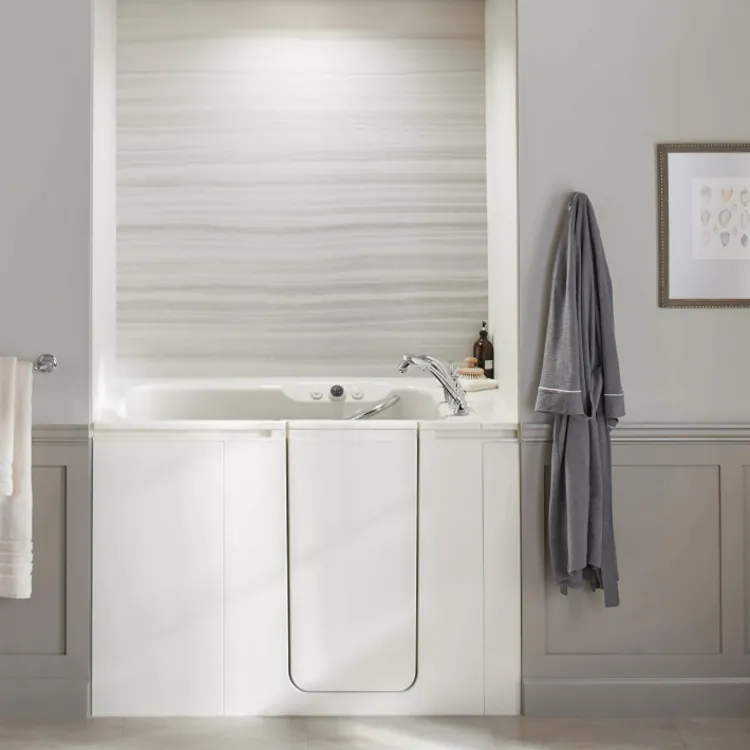
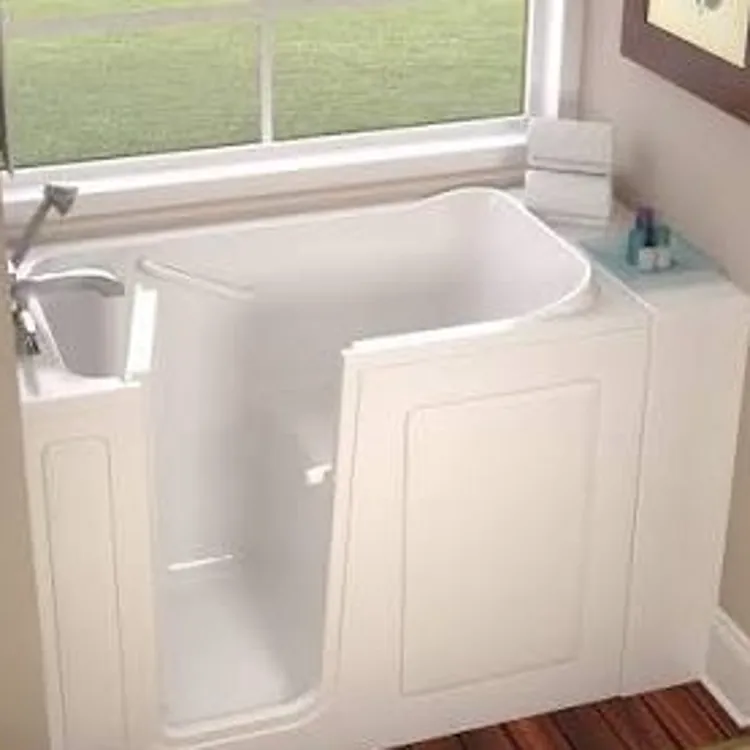
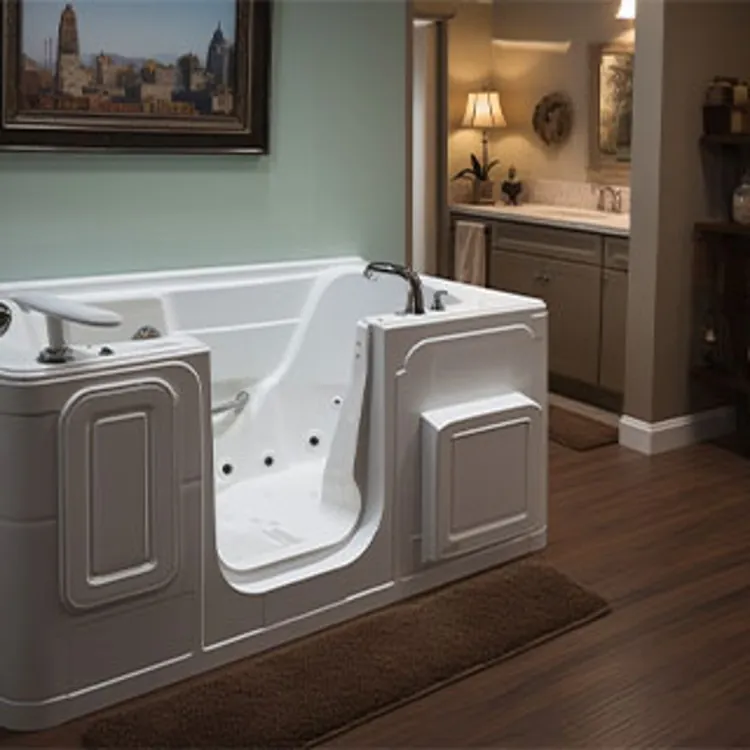
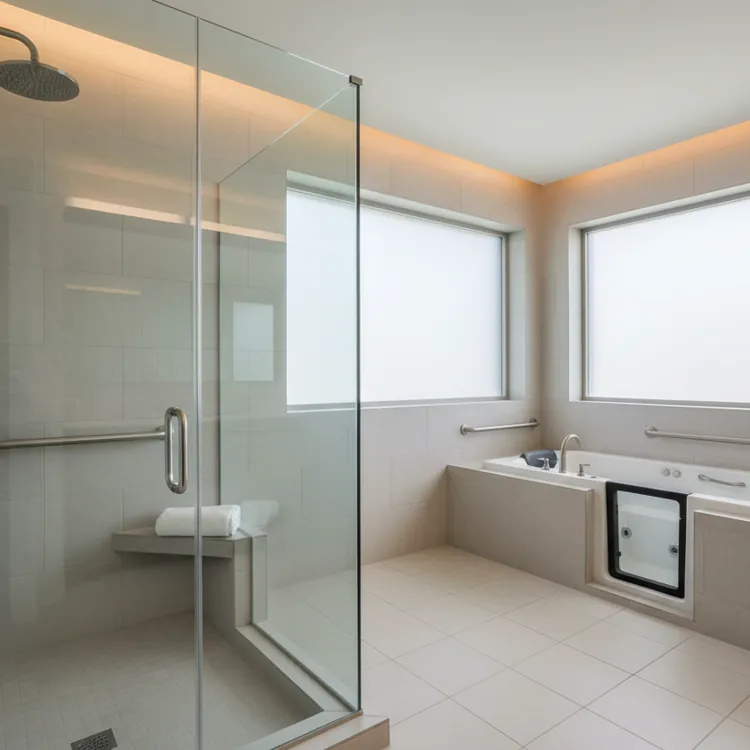
Best overall

- Step-in height
- 3.5 to 7 inches
- Financing
- Financing partners include Mobility Trust, Synchrony, Klarna and PayPal
- Number of jets
- 24 to 40
- Warranty
- Limited lifetime; 5-year (components)
- BBB rating
- A+
How ConsumerAffairs uses cookies
This website utilizes technologies such as cookies to enable essential site functionality, as well as for analytics, personalization, and targeted advertising. To learn more, view the following link:




Minnesota’s long winters and high rate of homeownership among seniors create strong demand for safety-focused bathroom upgrades. A walk-in tub helps reduce fall risks while providing therapeutic benefits for arthritis and mobility issues. We considered several brands to determine the best option for Minnesota homeowners.
Based on verified reviews from local customers, Ella's Bubbles is the best walk-in tub company in Minnesota in terms of features and overall value. Kohler Walk-In Bath offers the most user-friendly design, and Independent Home is the best option for hassle-free installation.
We compared popular walk-in tub companies available in Minnesota to find the best options. To make our picks, we considered available features, step-in height, drain and fill time and real customer reviews, giving extra weight to reviews from customers in Minnesota. Read our full methodology below for all the details. Our picks may be Authorized Partners that compensate us. This does not affect our recommendations or evaluations.
| Company | Customer rating | Our pick for | Step-in height | Number of jets | Pro installation | BBB rating | |
|---|---|---|---|---|---|---|---|
 Ella's Bubbles | Get Started | 4.5
189 reviews
189 reviews
| Best overall | 3.5 to 7 inches | 24 to 40 |  | A+ |
 Kohler Walk-In Bath | Get Started | 4.6
1,019 reviews
1,019 reviews
| Accessibility | 3 inches | 17 air jets; 10 hydrojets |  | A+ |
 Independent Home | Get Started | 4.6
1,643 reviews
1,643 reviews
| Professional installation | 4.5 inches | 30 air jets; 8 hydrojets | | A+ |



Jump into our guides and start learning
Walk-in tubs are well-suited to meet a growing demand for safer, more accessible bathing options at home. With features like low thresholds, built-in seating and slip-resistant flooring, these tubs are comfortable and reduce the risk of falls. Whether you live in Minneapolis or a suburb like Edina, we’ll help you decide on the best walk-in tub for your needs.
Choose a walk-in tub with excellent insulation and heated surfaces. Minnesota's harsh winters mean your bathroom stays cold longer, making heat retention crucial for comfort.
Jump to insightBudget $2,500 to $5,500 for labor. Basement access reduces installation complexity (and costs).
Jump to insightMinnesota's Elderly Waiver and Alternative Care programs fund walk-in tub installations, and the Housing Finance Agency offers home improvement loans.
Jump to insightTo choose a walk-in tub in Minnesota, start by assessing individual mobility requirements, your bathroom’s structure and your budget. Focus on design elements and safety features that match your household’s needs and make daily bathing safer and easier — especially with Minnesota’s cold winters. This step-by-step guide will help you make the right decision:
Start by evaluating features like grab bars, anti-slip floors, anti-scald protection and fast-drain systems. Entry height and door width are essential for those with mobility challenges, making it easier to get in and out safely.
For those seeking therapeutic benefits, consider heated seats, hydrotherapy jets and upgrades such as chromotherapy or aromatherapy.
Pick a door configuration that works best for your space and daily use. If you need wheelchair access, prioritize outward-swinging doors, while inward-swinging doors work better in smaller spaces.
Gelcoat tubs are long-lasting and retain their color, but they are more expensive. In contrast, acrylic tubs are lighter, making them easier to install, but they can scratch more easily.
For Minnesota's extreme cold, a walk-in tub made from thick, multi-layer acrylic offers the best heat retention, keeping your bath comfortably warm.
Standard walk-in tubs are about 30 inches wide, 50 inches long and 40 inches high. However, you can choose compact, bariatric or two-seat models. Smaller tubs use about 40 gallons of water, while larger models may need up to 120 gallons.
Always check whether your water heater is up to the task. Edward from New Prague described a common situation where he doesn’t have enough hot water to fill the tub: “Use all of my hot water before it fills even with my new 50-gallon water heater.”
Check reviews from Minnesota homeowners for honest feedback on performance, drainage, durability and company service. Reviews often reveal how well companies provide support and warranty service, which can be crucial down the road.
Expect to pay anywhere from a few thousand dollars for a basic walk-in tub to more than $30,000 for premium options. Installation and any required remodel work will add to the cost.
Minnesota has no sales tax on most medical equipment prescribed by a doctor, so be sure to get a prescription to present to the seller.
Installation can take one or two days, but may require extra work if your bathroom is older or needs updates to plumbing, electrical or flooring.
Before work begins in Minnesota, verify your contractor's license status with the Department of Labor and Industry (DLI).
» MORE: Aging in place modifications
When selecting an installer in Minnesota, find out if the company provides its own installation team. This often leads to a smoother process and better results. If you need to hire independently, choose a licensed and insured contractor with a proven record in accessibility remodeling. Always get references, verify licensing and request a detailed quote.
Minnesota homes almost always have full basements and modern insulation. This simplifies installation and offers direct access for plumbing upgrades.
Labor costs run $2,500 to $5,500. Access is rarely a problem, but high demand for trades may impact scheduling and pricing in metro areas.
Walk-in tub prices in Minnesota typically range from $2,000 to $30,000, depending on tub type, features and brand. Installation costs typically add $2,500 to $5,500.
| Type of tub | Typical price |
|---|---|
| Basic soaker tub | $2,000 to $10,000 |
| Walk-in tub with air jets | $10,000 to $15,000 |
| Walk-in tub with air and water jets | $12,000 to $18,000 |
| Bariatric walk-in tub | $15,000 to $20,000 |
| Luxury walk-in tub | $15,000 to $30,000 |
| Two-seater walk-in tub | $18,000 to $30,000 |
Before signing a contract, ask whether installation, haul-away of your old tub and warranty coverage are included in the price.
Walk-in tubs are usually not covered by Medicare Parts A or B. Some Medicare Advantage (Part C) plans may provide limited support for home modifications, so it’s important to check with your insurer for specifics.
Minnesota’s Elderly Waiver and Alternative Care programs can fund accessibility changes. The Housing Finance Agency also supports home improvement loans.
If you’re a veteran, you might qualify for VA grants that cover the cost of a walk-in tub. Medicaid may also help cover the cost of a walk-in tub in some cases — check the Minnesota Department of Human Services website for more information.
Many walk-in tubs require at least a 50-gallon water heater to provide enough hot water for safe and comfortable baths. If your system is smaller, you may need to upgrade to avoid running out of hot water before the tub fills. Compact tubs can sometimes work with a 40-gallon heater, but larger or specialty tubs may draw up to 120 gallons.
Walk-in tubs are designed to prevent falls by offering low-entry doors, sturdy seating and built-in handrails. These features allow users to enter and exit independently, and most models include options for hydrotherapy jets, air massage and colored lights for added comfort and wellness.
The average walk-in tub will fill in six to eight minutes and drain in 10 to 15 minutes. Tubs with dual drains or fast-fill technology can reduce wait times significantly, which is especially helpful for users who may get cold quickly or have limited patience for long soaks.
Yes, most walk-in tub providers offer financing programs, often with flexible payment plans or low-to-no interest for introductory periods. Always review the terms to understand the rate, the length of payments, and any early payoff penalties. If you are using home equity or a bank loan, compare several options to get the best deal.
Minnesota doesn’t offer a direct tax credit, but seniors may defer property taxes through the state’s Property Tax Deferral program to help afford big-ticket upgrades.
In Minnesota, plumbers must be licensed by the state. A Journeyman Plumber needs 7,000 hours of experience over four years, and a Master Plumber must complete an additional year of licensed work beyond that.
The ConsumerAffairs Research Team used a data-backed process informed by expert editorial judgment and verified customer reviews. We started with 20 walk-in tub companies available in Minnesota, then evaluated which performed best for local residents.
We prioritized real customer experiences in Minnesota but also considered national reviews. We discarded companies with fewer than five in-state reviews. Our review evaluation focused on five satisfaction drivers:
To determine which companies offer the best tubs for aging in place, we compared them on:
ConsumerAffairs collects in-depth, verified reviews to surface real customer stories. These reviews are the primary factor in our ratings because they highlight how real customers experience the product and service. Only the companies with the highest satisfaction rates among Minnesota reviewers made our top picks list.
ConsumerAffairs writers primarily rely on government data, industry experts and original research from other reputable publications to inform their work. Specific sources for this article include:
Thanks for subscribing.
You have successfully subscribed to our newsletter! Enjoy reading our tips and recommendations.
| Company | Customer rating | About | Learn More |
|---|---|---|---|
|
Ella's Bubbles
| 4.5
189 reviews
| Sells more than 28 unique models of walk-in tubs, including two-seat, wheelchair accessible, inward/outward door and shower combo kits. Offers fast fill and dual drain technology. Includes lifetime limited warranty. | Get Started |
|
Kohler Walk-In Bath
| 4.6
1,019 reviews
| Offers walk-in tubs with several comfort and safety features. Low 3 inch step-in height. Customizable sizes and designs. Optional shower package. Lifetime limited warranty with professional installation. | Get Started |
|
Independent Home
| 4.6
1,643 reviews
| Sells compact and luxury baths. Wheelchair-accessible and bariatric tubs available. Costs include installation services and a lifetime warranty. Get a quote for pricing. | Get Started |
 Safe Step Walk-In Tub
| 4.9
3,655 reviews
| Offers walk-in tubs, walk-in showers and hybrid walk-in tubs. Customizable options. Lifetime warranty covering manufacturing defects, specific parts and labor. Financing, discounts and promotions available. Available nationwide. | Get Started |
 Mayo Walk-In Tubs
| 4.5
View profile
| Quality walk-in tub installation. All-inclusive pricing, no surprise fees. Direct installs by experienced pros. Lifetime warranty covers parts, labor and install. Available only in AZ and parts of NV. Limited public details. | Read Reviews |
 Boca Walk-In Tubs
| 4.4
314 reviews
| Find soaker and bariatric tubs plus shower-bath combos and two-seaters. Features internal frame design with two-inch step-in threshold. Provides free quotes. Comes with a lifetime warranty on the tub and parts. | Get Started |
 DaBella
| 3.9
784 reviews
| Specializes in shower conversions and full bathroom remodels. Services for windows, siding and roofing also available. Custom design and installation provided. Free consultations. | Get a Quote |
 American Standard Walk-in Baths
| 3.8
2,361 reviews
| Find soaker tubs, two-seaters and shower-bath combos. Features quick-drain, air jets and whirlpool massage system. Financing options and free evaluations. Costs start at $4,600 to $8,400, not including installation. | Get Started |
 Hydro Dimensions
| 3.9
451 reviews
| Manufactures soaker, shower-tub combo and bariatric baths. Features hydro- and air-massage systems. Comes with a limited lifetime warranty on the tub and parts. Get a quote for pricing. Installation not included. | Read Reviews |
 American Tubs
| 3.8
19 reviews
| Comes with standard safety features. Optional upgrades include faucet sets, marine-grade fiberglass shells and glass shower doors. Provides free in-home estimates. Financing available. | Read Reviews |
 ARIEL Bath
| 2.0
8 reviews
| Soaker walk-in tubs are made from gelcoat with reinforced fiberglass. Drain time within two minutes. Comes with a one-year warranty. Costs $1,999 to $4,620, not including installation. | Read Reviews |
 Bathing Solutions
| 1.5
29 reviews
| Features high chair seat, temperature-controlled water, simple latch and hand-held showerhead. Upgrade options include chromotherapy, aromatherapy and sanitizers. Place orders over the phone. Pricing varies. | Read Reviews |
 Empava
| 2.3
View profile
| Offers modern walk-in tubs. Free delivery in continental U.S. Three- to five-year warranty. Comprehensive safety features. Military discounts. Solid refund/return policy. No physical stores. Doesn’t offer installation. | Read Reviews |
 Accessibility Professionals
| No reviews | Manufactures Freedom Lift Systems, Freedom Shower and Freedom Bath walk-in tubs and showers. Wheelchair-accessible tubs include grab bars. Basic walk-in tub starting price is $4,793 before installation. | |
 EZ Step
| No reviews | Sells and installs seven Boca walk-in tub models. ADA-compliant features like grab bars and slip-resistant coating. One-day installations. Provides free quotes. Lifetime warranty on parts and components. | |
 Homeward Bath
| No reviews | Offers steam shower systems and customizable walk-in tubs. Ability to order online. Limited warranty on walk-in tubs. Prices range from $1,900 to $5,640, not including installation. | |
 Lifetime Walk-in Tubs
| No reviews | Offers walk-in tubs with 3- to 6-inch step-in. Models include compact tubs, deep tubs and wide tubs. Wheelchair-accessible. Provides in-home quotes and installation. Financing is available. Limited lifetime warranty. | |
 Meditub
| No reviews | Walk-in tubs manufacturer. Products available throughout the United States. Offers 14 tub models with up to eight specialized features. Warranties offered. | |
 Universal Tubs
| No reviews | Large selection of tubs. Walk-in, drop-in and freestanding options available. Partnered with The Home Depot. Offers home delivery and expert installations. Strong warranties. Free phone consultation. |