

SRECs explained
SRECs let homeowners and companies sell the origin of solar power production, or sometimes solar power they used, to energy producers. They don’t sell the power itself, just proof of solar generation. It accounts for resource origin rather than who uses the power.
An SREC represents 1 megawatt-hour (1,000 kWh) of electricity generated by a private solar system.
States with renewable energy production goals often require energy producers to source a certain percentage or volume of their power from renewable sources.
To meet a state-mandated renewable portfolio standard (RPS) solar carve-out program, energy producers can buy renewable energy certificates (RECs) and SRECs from in-state, privately owned solar systems. An SREC proves a specific amount of energy within the grid came from solar energy.
How are SRECs sold
SRECs are issued and tracked by states with SREC markets as a specialized commodity. Because most RPS programs require in-state purchases, SRECs have a limited pool of potential buyers. Likewise, tracking agencies vary from specific energy certificate agencies to the public service commission depending on how the state sets up the program.
Each homeowner must register their solar panel system to participate. While the process varies, most top solar power companies will help homeowners navigate registration. Then, certificates are sold through the state’s market or through a bulk platform intermediary such as Xpansiv (formerly SRECTrade) or SOLSYSTEMS.
» RELATED: How much do solar panels cost?
SRECs vs. RECs
SRECs are RECs, but other energy types also qualify as RECs. RECs are issued for eligible renewable energy sources other than solar, such as hydro and wind power, while solar RECs are usually issued as SRECs.
In areas with SREC markets, SRECs are typically valued higher than generic RECs.
SRECs typically have a smaller pool of buyers and are only available in states with solar carve-outs, while RECs are more widespread. Rules prohibit double-claiming both SRECs and RECs from the same energy production, but most locations allow you to choose a REC instead of an SREC.
SREC eligibility and registration requirements
As with other SREC rules, eligibility and registration requirements vary by state. However, a few rules are fairly typical across most jurisdictions. Whether you qualify to participate in SRECs affects whether your solar system saves money.
System ownership
You must own your solar system and not be on a leased or lease-to-own financing plan to earn SRECs. If you don't own your system, the system owner may participate and earn SRECs from the electricity your home generates.
Solar financing types where homeowners don’t actually own the system include:
- TPO (third-party ownership)
- PPA (power purchase agreement)
- ESA (energy service agreement)
- Capital lease
- Solar loan
- Prepaid solar lease
- Standard solar lease agreements
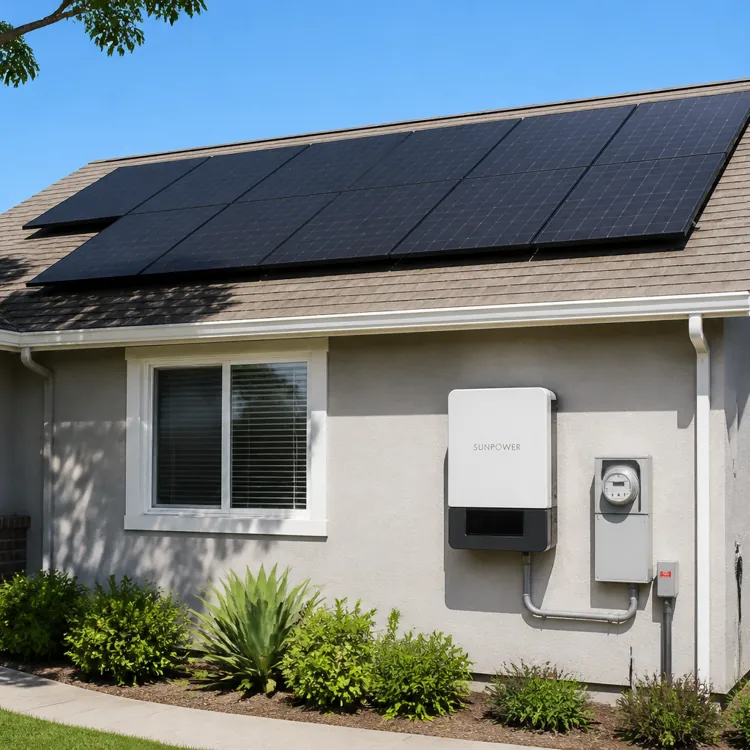
- Metering: Your energy meter must be revenue grade for accurate production tracking.
- Grid connectivity: Your solar panel system must be properly connected to the grid before you can earn SRECs.
- State registration: The number of agencies you must register with varies by state, as does the exact process, but you must register your system under your location's rules. Your solar installer or your state’s public service commission can help you with this process.
- Production tracking: Register with your regional production tracking authority and record your system’s energy production as required. Depending on the authority, you may need to submit production data monthly.
- SREC transfers: Once you have SRECs, you’ll need to transfer those to your state exchange platform or broker. Many solar power companies offer broker services or open exchanges for specific areas, such as Flett Exchange, NJSREC, SRECTrade (now Xpansiv) and Sol Systems.
Regional energy attribute tracking systems in the U.S.
Energy attribute tracking systems vary by region, with each system serving specific states. The table below lists the main tracking systems in the U.S. and the areas they cover.
| Tracking system | Region served |
|---|---|
| ERCOT: Electric Reliability Council of Texas | Texas |
| MIRECS: Michigan Renewable Energy Certification System | Michigan |
| M-RETS: Midwest Renewable Energy Tracking System | Illinois, Indiana, Iowa, Minnesota, Wisconsin, North Dakota, Ohio, parts of Montana and most of South Dakota |
| NAR: North American Renewables Registry | Kansas and Missouri |
| NC-RETS: North Carolina Renewable Energy Tracking System | North Carolina |
| NEPOOL-GIS: New England Power Pool Generation Information System | Connecticut, Maine, Massachusetts, New Hampshire, Rhode Island and Vermont |
| NVTREC: Nevada Tracks Renewable Energy Credits | Nevada |
| NYGATS: New York Generation Attribute Tracking System | New York |
| PJM-GATS: PJM EIS’s Generation Attribute Tracking System | Delaware, Illinois, Indiana, Kentucky, Maryland, New Jersey, Ohio, Pennsylvania, Virginia, West Virginia and Washington, D.C. |
| WREGIS: Western Renewable Energy Generation Information System | Arizona, California, Colorado, Idaho, parts of Montana, New Mexico, Oregon, parts of South Dakota, Utah, Washington, Wyoming |
| No tracking system adopted | Alabama, Alaska, Arkansas, Florida, Georgia, Hawaii, Louisiana, Mississippi, Nebraska, Oklahoma, Puerto Rico, South Carolina, Tennessee |
SREC prices and market factors
SREC markets only exist in certain states, and prices can vary considerably. Pricing depends on how much solar power energy companies produce on their own, state solar energy production requirements and SREC availability.
For example, as home solar use increases, SREC availability increases and often lowers prices. Often, state solar incentives drive increased solar adoption, and solar installers tout the ability to sell SRECs as additional cost savings, only for market prices to deflate as availability rises.
Because state carve-out schedules aren’t federal standards, each state’s rules and market size also affect pricing and availability.
Select state SREC values
SREC prices vary by state based on market conditions and renewable energy requirements. The table below shows example SREC prices from October 2026 in select states.
| State | Sell-now price |
|---|---|
| Washington, D.C. | $387.50 |
| New Jersey | $180 |
| Maryland | $40 |
| Pennsylvania | $20.50 |
| Virginia | $17 |
Alternative compliance payment caps
To prevent SREC value from skyrocketing, most states with RPS or renewable energy portfolio standards (REPS) programs include a fail-safe alternative.
If an energy company can’t produce enough renewable or solar energy, either through direct production or by purchasing SRECs, the company can choose to pay an alternative compliance payment (ACP). ACP functions as a fine and a way to limit SREC costs.
Once SREC costs rise high enough that companies choose to pay the ACP instead of buying SRECs, the market naturally corrects downward, meaning the ACP effectively caps SREC price potential.
Knowing the likely max SREC value before buying solar panels is a good idea, as it affects your solar ROI and whether or not solar is worth it in your area.
» RELATED: Solar panel ROI guide
FAQ
What is an SREC?
An SREC is a type of renewable energy certificate (REC) unique to solar power in states with solar carve-outs in their renewable portfolio standards (RPS) or renewable energy portfolio standards (REPS), which set requirements for how much in-state energy must be renewable.
How much are SRECs worth?
SRECS vary in price over time and by location, ranging from under $20 to over $350. Each state’s SREC market is unique, with local price pressures such as alternative compliance payment (ACP) levels and SREC availability.
Will SRECs go away?
Whether SRECs will go away depends on your state. States manage SRECs, and since they aren't federally mandated, they can change with each state's needs and political climate.
What states have SREC markets?
States with solar carve-out requirements under their RPS programs operate SREC markets. A number of states, such as Delaware, Virginia and Washington, D.C., offer SREC markets.
Are SRECs available for residential solar systems?
Yes, SRECs are typically available for residential solar systems where they are used, though eligibility requirements vary by state.
Article sources
ConsumerAffairs writers primarily rely on government data, industry experts and original research from other reputable publications to inform their work. Specific sources for this guide include:
- U.S. Energy Information Administration, "Solar energy and the environment." Accessed Oct. 14, 2026.
- United States Environmental Protection Agency, "Policies and Regulations." Accessed Oct. 12, 2026.
- United States Environmental Protection Agency, "State Solar Renewable Energy Certificate Markets." Accessed Oct. 13, 2026.
- National Renewable Energy Laboratory, "Solar Renewable Energy Certificate (SREC) Markets: Status and Trends." Accessed Oct. 13, 2026.
- Database of State Incentives for Renewables & Efficiency (DSIRE), "Renewable Portfolio Standards (RPS) with Solar or Distributed Generation Provisions." Accessed Oct. 14, 2026.
- United States Environmental Protection Agency, "Renewable Energy Certificates (RECs)." Accessed Oct. 14, 2026.
- United States Environmental Protection Agency, "Energy Attribute Tracking Systems." Accessed Oct. 12, 2026.
- Department of Legislative Services, Office of Policy Analysis, "Introduction to the Renewable Energy Portfolio Standard." Accessed Oct. 14, 2026.
- United States Environmental Protection Agency, "Renewable Energy Certificates: Background & Resources." Accessed Oct. 13, 2026.