

What are solar roof shingles?
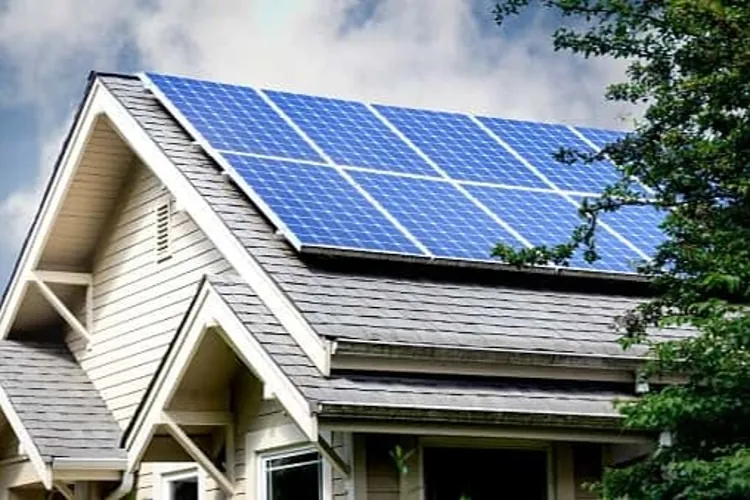
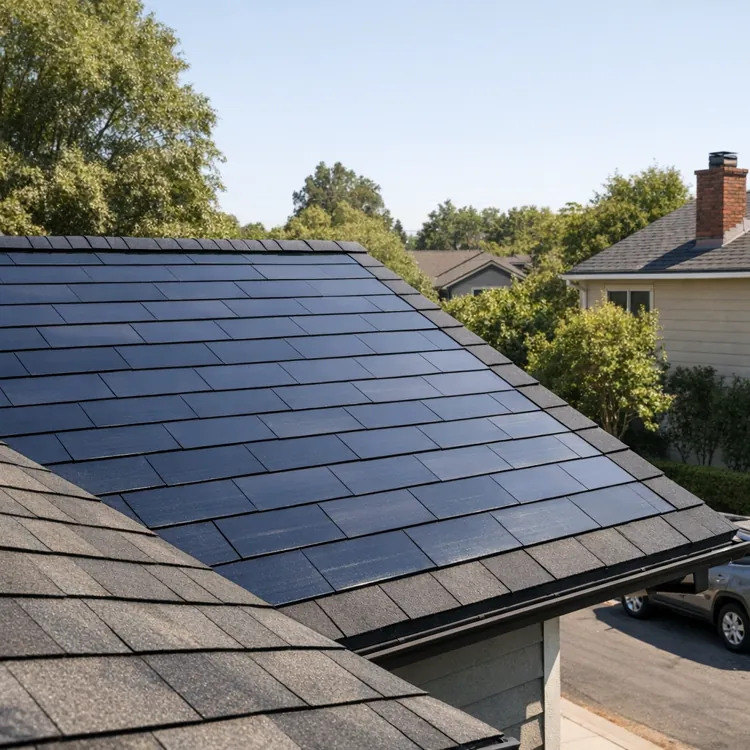
A solar roof shingle (also called a solar shingle or solar roof tile) is an electricity-generating building material designed to blend in with traditional roof shingles. Solar shingles are classified as “building-integrated photovoltaics” (BIPV) because they’re integrated directly into your roof, producing electricity while practically hidden in plain sight.
Solar shingle efficiency is typically around 14% to 18%, depending on the product.
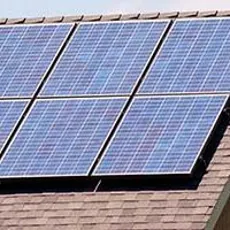
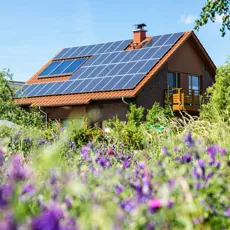
So, while traditional photovoltaic (PV) solar panels are usually mounted on top of your roof, solar shingles actually replace the top layer of your roof. Solar shingles can cover a roof’s entire surface or be spliced in with traditional roof shingles.
“Solar shingles are solar cells designed to look like a conventional roof, which can be ideal for people and HOAs that don’t like the look of solar panels,” Valenza explained.
Pros and cons of solar shingles
Solar shingles look great, but looks aren’t everything. With that in mind, many disadvantages today are related to cost, availability and the installer ecosystem. If the technology continues to progress in terms of efficiency, availability and cost, solar shingles may become increasingly practical and popular in the future.
Commenting on the uncertainty of current solar shingle technology, Valenza said, “All of these products are new, so few installers know how to install them and there have been some issues with reliability. So at this stage, every buyer is an early adopter.”
Pros
- Provides a two-in-one roofing plus solar solution
- Blends with traditional roofing
- Offers flexibility on complex roofs
Cons
- Costs more than traditional roofs or solar panels
- Have fewer qualified installers available
- May have lower efficiency than panels
» RELATED: Solar energy pros and cons
How much do solar shingles cost?
The average cost of solar shingles falls somewhere between $15 and $35 per square foot or roughly $25,000 to $60,000 for a full-home installation. Final prices vary based on shingle brand, roof complexity (cuts, valleys, steep pitches), regional labor rates and how much of the roof the solar shingles cover.
Inverters, wiring and other balance-of-system components can add several thousand dollars.
As of publishing, high costs prevent many homeowners from adopting solar shingles. “I have been looking into solar energy services for a couple of years,” Aaron in South Carolina wrote in a review. “I was interested in solar shingles because I wanted to put them all over my house but they’re expensive.”
Are solar shingles worth the cost?
Solar shingles can be worth it when they replace a roof you already need and when your utility rates, incentives and export credits let you recoup the added upfront cost in a reasonable time.
If you don’t need a new roof anyway, solar shingles are much less cost-effective.
Solar shingles aren’t cheap, and they may not be financially worth it if they cost more to buy and install than they save you on your electricity bills. The good news is that the cost-benefit analysis around solar shingles becomes significantly easier if you already need a new roof.
As Valenza mentioned during our conversation, solar shingles “replace your entire roof, so you’re getting solar and roofing in one integrated system.”
Questions to ask yourself
Whether or not installing solar shingles will have a positive return on investment for you depends on:
- How much will my solar shingles cost?
- How much do I currently spend on electricity?
- How much energy will my solar shingles generate?
- How much money will I save over time?
Pro tip
If you’re spending thousands of dollars on a new roof anyway, the incremental cost of choosing a solar roof can feel more manageable. This is why solar shingles can make the most sense for new construction and roof replacements.
» SHOULD YOU: Replace your roof before going solar?
Is your home a good candidate for solar shingles?
Solar shingles aren’t a one-size-fits-all solution. They work best on homes with the right roof conditions and installation environment, so doing a quick self-assessment can help you understand whether they’re a smart investment for your property.
Solar shingle suitability checklist
Below is a practical checklist to help you evaluate the most important factors before getting quotes.
Roof condition and structure
- Roof age and materials: Older roofs may need to be replaced before installation. Asphalt shingle roofs are often the simplest option; other materials may be more complex or more costly, depending on the product.
- Roof pitch (slope): Moderate pitches — typically 4:12 to 8:12 — maximize sunlight exposure and simplify installation.
- Roof size: You’ll need enough surface area to generate meaningful power; small or heavily segmented roofs may limit output.
Sun and climate factors
- Orientation: South-facing roofs perform best; east- or west-facing can still work, but with reduced efficiency.
- Shading: Minimal shading throughout the day is crucial. Nearby trees, chimneys or neighboring buildings can reduce performance.
- Local climate: Homes in sunny regions benefit most; cold or cloudy climates can still work, but payback times may be longer.
Home and neighborhood rules
- HOA restrictions: Some homeowners associations limit visible solar products. Solar shingles are usually more HOA-friendly, but approval may still be required.
- Local permitting: Unique or older homes may face additional permit hurdles or structural requirements.
Budget and long-term plans
- Upfront cost: Solar shingles are typically more expensive than standard panels. Make sure the higher price aligns with your long-term energy goals.
- Time in home: You’ll get the most value if you plan to stay long enough to benefit from energy savings and potential solar incentives in your state.
Solar shingles vs. solar panels: which are better?
So far, we’ve addressed whether solar shingles are worth the cost versus not going solar at all, but the logic is a little different when you compare them with your other green energy options.
Solar panel efficiency ratings range 18% to 23%.
Generally speaking, purchasing solar panels is easier and more cost-effective than installing solar shingles, especially if your roof is in good condition.
The average residential solar panel installation costs around $20,000, which is below the starting price for most solar shingle projects. Because they’re significantly cheaper, solar panels are more likely to pay for themselves in reduced electricity bills, and they usually have a much shorter break-even period than solar shingles as a result.
» RELATED: Do solar panels save money?
The case for solar shingles
On the other hand, solar shingles may be the better choice if you already need a new roof or if aesthetics are an important aspect of your decision-making. For example, if you live in a historic area or a neighborhood with strict building codes, solar shingles may be a better fit than rack-mounted panels.
Whether solar shingles or solar panels are better really needs to be evaluated on a case-by-case basis, and your decision may largely depend on what’s currently available in your area. To compare your options, start by contacting solar energy companies in your area for quotes and consultations.
» MORE: Solar shingles vs. solar panels
FAQ
How are solar shingles installed?
Unlike solar panels, which are installed on top of roofing materials, solar shingles are installed as the roofing materials themselves. Solar shingles are attached directly to your roof and may cover your entire roof or integrate with other non-solar shingles.
How many solar shingles do you need?
The number of solar shingles you need will depend on your roof size as well as your property’s electricity demand. In general, most homeowners will want to cover any roof space that receives direct daily sunlight with solar shingles, which may mean buying several hundred units.
An easy way to determine how many solar shingles you can fit on your roof is to determine the square footage of your installation space and divide it by the square footage of the solar shingle product you’re considering. When in doubt, talk to an expert to help design your solar shingle system, though.
Where can you get solar shingles?
As of publication, getting solar shingles can be somewhat difficult due to the limited availability of both manufacturers and installers. That said, many companies developing and selling solar shingles have growing networks of regional installation partners.
What are the best solar shingle brands?
Some of today’s largest companies producing solar shingles include GAF Energy, Tesla and Suntegra. GAF Energy Timberline Solar is currently one of the most widely available options in the U.S., backed by one of the country’s biggest roofing manufacturers. It’s known for strong roof integration, reputable warranties and a broad installer network.
Tesla Solar Roof offers a sleek, fully integrated glass-tile system, but it can be expensive, and installation timelines may vary. Lastly, Suntegra produces low-profile solar shingles and tiles designed to blend more seamlessly with traditional roofing materials, often at a lower price point than Tesla.
How do you maintain solar shingles?
Maintenance on solar shingles is minimal. Most systems are designed to withstand weather and require little intervention beyond basic roof care. Solar shingles typically just need:
- Periodic cleaning with water or a soft brush to remove debris.
- Annual roof inspections to check for loose flashing, damaged shingles or wiring issues.
- System output monitoring through the manufacturer’s app or inverter display to ensure panels are performing normally.
How long do solar shingles last?
Solar shingles generally last 20 to 30 years, similar to traditional solar panels. Their energy production may gradually decline over time, but most reputable brands offer performance warranties that guarantee a high percentage of output for at least 20 to 25 years.
How does financing affect whether solar shingles are worth it?
Financing makes solar shingles more accessible by spreading cost and improving cash flow. Still, the type of financing you choose dramatically affects how much you save long term, what incentives you can capture and whether the system ends up being “worth it” for you financially.
Article sources
ConsumerAffairs writers primarily rely on government data, industry experts and original research from other reputable publications to inform their work. Specific sources for this article include:
- U.S. Department of Energy, “Replacing Your Roof? It’s a Great Time to Add Solar.” Accessed March 2, 2026.
- U.S. Office of Energy Efficiency and Renewable Energy, “Solar Shingles Installation.” Accessed March 2, 2026.