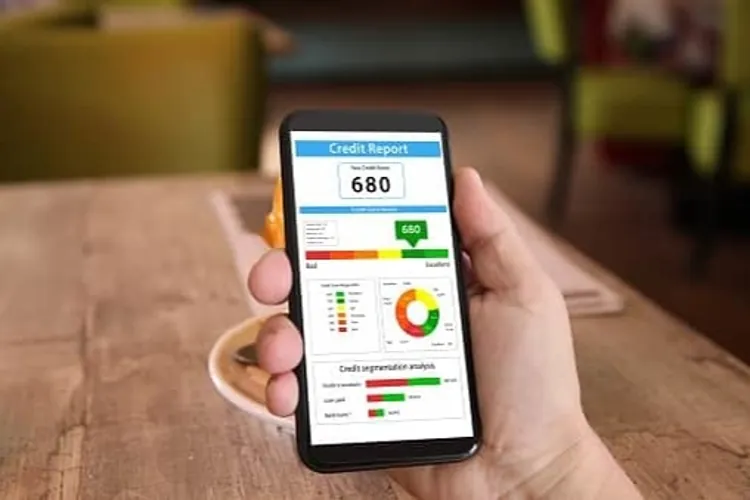



Does checking your credit score affect it?
No, checking your credit score does not affect your credit because it is not an inquiry for new credit. Checking your credit report does not have any impact, either.
“Too many people think checking their credit score is like opening the oven to check on their dinner,” said April Lewis-Parks, director of financial education and communications at Consolidated Credit. “That can mess with the temperature and ruin your meal. But checking your credit score ruins nothing.”
In fact, it is important to check your credit score regularly to look for discrepancies on your report and to ensure you are on track with your financial goals. It is especially critical if you plan to apply for new credit so you know when and where to apply.
How to check your credit score without lowering it
Remember, checking your credit score doesn’t lower it. If you’re monitoring your credit for changes and improvements while you build credit, you can check your credit score as often as you’d like.
The major credit bureaus, Equifax, Experian and TransUnion, all offer a free account through which you can see an estimate of your credit score with your credit report. And banks, credit card issuers and other financial institutions often offer credit score snapshots, usually updating monthly. You can use these tools to keep an eye on your credit without lowering your score.
What affects your credit score
While checking your own credit score does not lower it, hard inquiries may. Credit inquiries make up 10% of your FICO score, so it is important to be selective in which lenders you allow to check your credit.
Your credit score can be affected in other ways, too.
- Hard inquiries: Hard credit checks can have a negative impact on your credit score, as new credit accounts for 10% of your total score. They can stay on your account for up to two years.
- Payment history: Your payment history accounts for 35% of your FICO score, so it is critical to make your payments on-time. Late payments can stay on your report for up to seven years, even if you do not experience collections or repossession, so always be sure to make at least the minimum payment by its due date.
- Credit history: How long you have had accounts open makes up 15% of your credit score.
- Credit utilization: Your credit utilization ratio accounts for 30% of your score, showing how much debt you have compared to your income. You should try to keep your credit utilization ratio below 30%, according to the Consumer Financial Protection Bureau (CFPB).
- Credit mix: The type of credit you have matters, too, with lenders preferring a mix of credit types. This accounts for 10% of your score.
Carefully balancing your credit behavior with responsible financial practices, such as timely payments, can help you achieve and maintain good credit, or even excellent credit, going forward.
Soft vs. hard credit inquiries
There are two types of inquiries that occur when a lender checks your credit: soft inquiries and hard inquiries. While soft credit checks do not typically affect your credit, you could notice an impact on your score from repeated hard inquiries.
There are some other significant differences to note when comparing soft vs. hard credit checks.
| Soft inquiry | Hard inquiry | |
|---|---|---|
| Typically used for | Background checks, prequalified offers | Credit cards, mortgages, auto, personal and student loans |
| Requires your authorization | ✘ | ✔ |
| Impacts credit score | ✘ | Possibly |
| Reported to credit bureaus | ✘ | ✔ |
| Visible to lenders on credit report | ✘ | ✔ |
Soft inquiry
A soft inquiry, also known as a soft credit check or soft pull, has no impact on your credit score. “If you check your score yourself, this is known as a soft inquiry and won’t affect you at all,” said Michael Baynes, co-founder and CEO at Clarity Capital in New York.
If you check your score yourself, this is known as a soft inquiry and won’t affect you at all.
Soft inquiries can be used in a number of situations.
- Credit score check
- Prescreened, prequalified or preapproved offers
- Quotes for a new insurance policy
- Employment verification (background checks, etc.)
- Credit report request
Because you aren’t applying for credit, soft inquiries generally do not require your permission.
However, whether or not they are listed on your credit report depends on the specific credit bureau. If they are listed on your report, they may stay for up to two years, but they have no bearing on your actual credit score.
Hard inquiry
Hard inquiries, also known as hard credit checks and hard pulls, are the opposite. These inquiries do impact your credit score because they are used in association with an application for credit.
“A lender is looking at your credit because you applied for a new credit card or loan,” said April Lewis-Parks, director of financial education and communications at Consolidated Credit. “That means you’re on the verge of being extended more credit, so it makes sense that this will lower your credit score.”
Hard inquiries can be used for any of the following.
A single hard inquiry is unlikely to have a major effect on your credit score, but multiple inquiries in a short period of time could very well lower your score by up to 10 points. Hard inquiries can stay on your credit report for up to two years, but they only affect your FICO score for one.
However, credit bureaus tend to be more forgiving with car loans and mortgages, treating multiple inquiries as a single inquiry on your report if they are all conducted within a short period, usually 14 to 45 days. This does not apply to credit cards.
How to improve your credit score
If you check your credit score and are less than thrilled with the results, there are some things you can do to improve your score.
- Pay your bills on time. You can begin rebuilding a negative payment history by always making the minimum payment on or before the due date. This will help you build credit through a positive payment history.
- Avoid new credit. New credit applications can negatively impact your credit score, so try to avoid applying for new credit cards or loans while you work on improving your score.
- Become an authorized user. Ask a friend or family member if you can become an authorized user on their credit card. This will help you build credit while avoiding new credit applications. However, keep in mind that any missed payments will affect both your credit and that of the cardholder.
- Enlist the help of a credit counselor. A credit counseling agency can help you create a budget and establish healthy financial habits so you can improve your credit that much sooner. Check the Department of Justice’s list of approved state credit counseling agencies to choose a counselor.
“One lesser-known tactic seems illogical: don’t close old accounts, even if you rarely use them,” said Lewis-Parks of Consolidated Credit. “Keeping older accounts open can help increase the average age of your credit, which is also a factor in your score.”
Monitoring your credit
As you work on your credit, be sure to regularly monitor your progress. Not only will it help you avoid fraud and discrepancies on your report, but it will also ensure that your positive payment history is being reported by all your creditors.
“Checking your score often is a good idea to ensure that you're practicing good credit habits and to watch out for fraud,” said Andrew Matz, a financial planner at Oak Road Wealth Management in Lee’s Summit, Missouri. “A sudden drop could mean a fraudster has taken out a loan in your name.”
You can check your credit report for free at AnnualCreditReport.com.
You can also opt for a paid subscription with a credit report site. This will give you access to additional features such as credit monitoring, fraud alerts and credit-building tools.
Your credit will not improve overnight, but exactly how long it takes to improve your credit score will ultimately depend on your personal finances and your financial habits going forward.
FAQ
What should I do if I notice a hard inquiry I didn’t authorize?
If you notice discrepancies on your credit report, be sure to report them immediately to both the credit bureau and the lender reporting the inaccuracy.
How often should I check my credit score for optimal monitoring?
The CFPB recommends checking your credit score at least once a year and after major life events, such as a move, a divorce or a repossession. However, many credit monitoring services offer monthly or even daily reporting that can be crucial when building your credit.
Do all credit bureaus treat inquiries the same way?
Each credit bureau has its own method for calculating credit scores, with slight variations in how they weigh different factors. Additionally, not all lenders may report to all three bureaus, so it is important to keep an eye on your credit reports from Equifax, Experian and TransUnion to get a full picture of your credit.
Will checking my credit report also show my score?
Your credit report does not show your credit score, only your payment history. Therefore, it is important to check both so you know where you stand. This will also help you determine whether it is worth applying for new credit.
Article sources
ConsumerAffairs writers primarily rely on government data, industry experts and original research from other reputable publications to inform their work. Specific sources for this article include:
- FICO, “Does Checking Your Credit Score Lower it?” Accessed Dec.19, 2025.
- Consumer Financial Protection Bureau, “Does requesting my credit report hurt my credit score?” Accessed Dec. 19, 2025.
- FICO, “What's in my FICO Scores?” Accessed Dec. 19, 2025.
- Equifax, “Equifax Core Credit,” Accessed Dec. 19, 2025.
- Consumer Financial Protection Bureau, “When should I review my credit report?” Accessed Dec. 19, 2025.
- Experian, “Do Credit Reports Include Credit Scores?” Accessed Dec. 19, 2025.