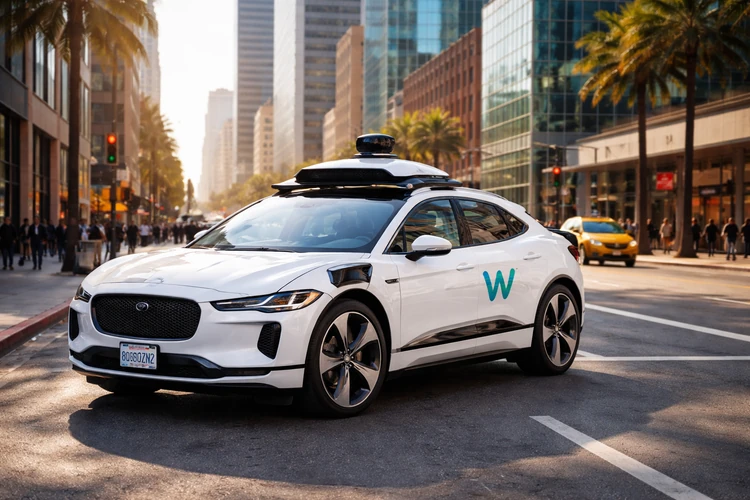

Waymo’s self-driving ride service now operates in 10 U.S. cities after launching commercial robotaxi operations in Dallas, Houston, San Antonio, and Orlando.
Initial rides are limited to select users via the Waymo app, with broader availability expected as each service area scales up.
Waymo is pushing ahead of rivals like Tesla and Zoox, and has plans to grow to 20+ cities — including potential international markets like London — despite regulatory hurdles in some regions.
Waymo, Alphabet’s autonomous vehicle unit, has significantly expanded the footprint of its self-driving ride-hailing service, now offering commercial robotaxi operations in 10 major U.S. cities after simultaneously launching in four new markets: Dallas, Houston, San Antonio, and Orlando.
The company’s fully autonomous vehicles — no driver behind the wheel — are now roaming key downtown areas in Texas and Florida, complementing existing operations in Phoenix, San Francisco, Los Angeles, Miami, Atlanta, and Austin. Riders in the new cities can download the Waymo app and receive an invitation to schedule rides as service zones grow.
This expansion marks one of the largest single rollouts in Waymo’s history and underscores its strategy to scale steadily nationwide. While not every resident will immediately be able to hail a ride, the phased approach mirrors previous launches: starting with limited access and gradually widening availability as the system and local infrastructure are optimized for autonomous traffic.
Waymo’s lead in the autonomous transport space continues to widen. Competitors like Tesla and Amazon-backed Zoox have been slower with broader, hands-off services. Tesla still hasn’t achieved a true driverless deployment outside limited testing, and Zoox is offering more constrained robotaxi experiences.
What’s next?
Looking ahead, Waymo has publicly listed plans to bring its service to 20 or more cities by the end of 2026, with international targets including London and Tokyo, although timing and regulatory approval vary by market.
For consumers, that means autonomous rides could become an everyday transportation option in more cities soon — potentially reshaping local transit, reducing reliance on personal cars, and accelerating the adoption of driverless technology across the U.S.