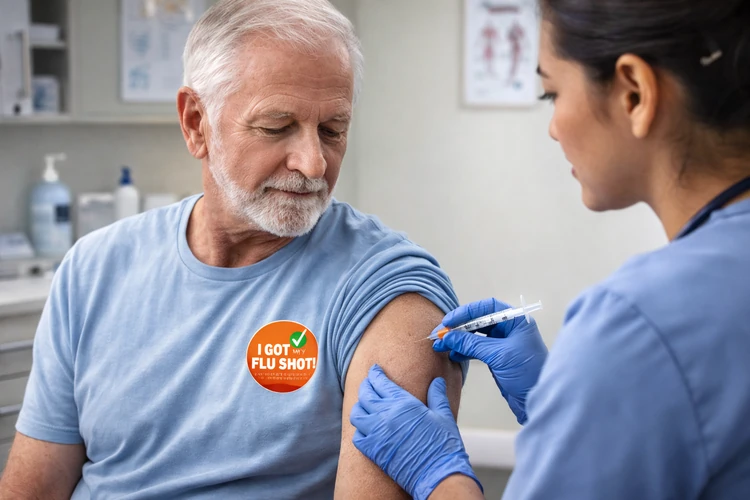

Flu vaccination rates among U.S. adults have fallen 24% since 2020, putting this season on track for a seven-year low.
Many Americans say they skip the shot not out of fear, but because they don’t think they need it or can’t find the time.
Health experts say even when it’s not a perfect match, the flu vaccine significantly reduces the risk of severe illness and hospitalization.
Flu cases are climbing again, hospitalizations are up, and what’s typically considered “flu season” seems to be stretching longer than usual. But while the virus is making a comeback, the flu shot isn’t.
New research from Tebra suggests that flu vaccination rates among U.S. adults have dropped 24% since 2020 — and this season is on track to hit a seven-year low. The study analyzed CDC FluVaxView data going back to 2018 and surveyed more than 1,000 Americans about their vaccine habits and attitudes.
The results paint a complicated picture: more than half of adults have received two or fewer flu shots over the past five years, and one in three haven’t gotten a single shot during that time.
So what’s going on? Is it lingering vaccine fatigue from the pandemic? Concerns about safety? Or just the hassle of fitting one more appointment into a packed schedule?
ConsumerAffairs spoke with Kevin Marasco, Chief Growth Officer at Tebra, who broke down what’s driving the drop — and whether there are signs that Americans might start rolling up their sleeves again.
Fewer flu shots
Tebra’s research found that the overall rate of flu vaccines across the country have dropped 24% over the last six years. Marasco explained that there are several factors influencing consumers’ decision to get – or not get – the flu shot.
“The 24% drop in flu vaccination reflects a combination of pandemic fatigue, shifting risk perception, and the politicization of public health,” he said. “For instance, during the COVID pandemic, awareness around infectious disease was at its peak, and viruses were top of mind for most people.
“We’re also seeing more young people believe they’re ‘low-risk,’ so there’s even less motivation to get vaccinated. Our survey also found that more than four in 10 Americans skip the flu shot because they don’t think they need it, or didn’t make the time to get one.”
What are the barriers?
Marasco believes that the biggest barriers to getting the flu shot aren’t fear – they’re tension and complacency.
“Many people say they ‘don’t think they need it’ or simply didn’t find the time. Inconvenient scheduling, underestimating flu severity, and assuming if you’re in good health, you’re low risk are key factors. What’s interesting is we found a majority of Americans say the flu shot is safe and effective, so it’s less about distrust and more about perceived necessity.”
Marasco also explained that while social media definitely plays a role, it’s often overstated.
“Based on our research, only 14% of Americans cite social media as their top source of vaccine information, compared to 64% who rely on their doctor,” he said. “With that being said, social media does push emotional narratives and misinformation at scale. While it’s not a primary source, it does shape perception, especially among younger generations; it reinforces doubts or normalizes vaccine avoidance and skepticism.”
Risk reduction
For those who may be skeptical or opposed to a flu shot, Marasco offers a different perspective.
“If someone is opposed to the flu shot, try encouraging them to focus on credible information and speak directly with a health care provider instead of relying on secondhand narratives,” he suggested.
“The flu vaccine isn’t about perfection; it’s about risk reduction. Even in years where it’s not a perfect match, it significantly lowers the risk of severe illness, hospitalization, and complications. It’s a small step that protects not just you, but the vulnerable people around you.”