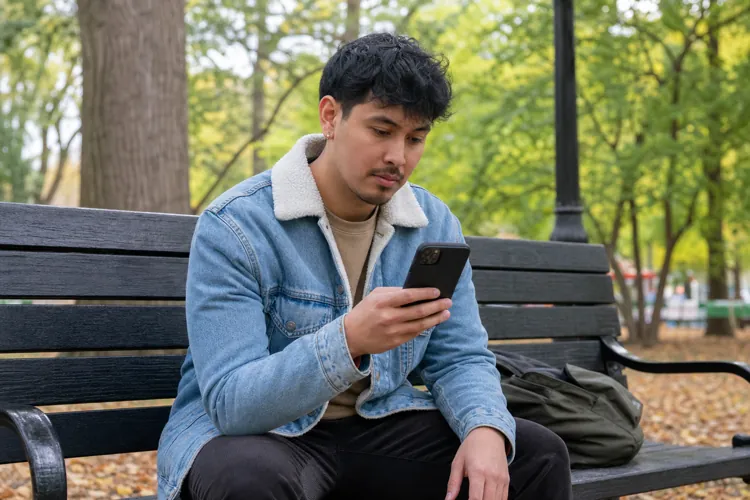

Scammers send alarming texts, emails, or calls claiming that an expensive purchase has been charged to the recipient’s account.
The supposed fraud alert is bait designed to make the victim call a fake customer service number, disclose account information, or transfer money.
Consumers should verify suspicious purchases through the company’s official app, website, or a phone number printed on their payment card.
An unexpected message says someone just charged a costly laptop, television, or smartphone to your account. To cancel the purchase, it instructs you to call a phone number or click a link immediately.
The purchase probably never even happened. Instead, the message may be the opening move in an increasingly elaborate impersonation scam.
Fraudsters often pose as Amazon, PayPal, a bank, credit card issuer, or another familiar company. By naming an expensive product and creating a sense of urgency, they hope the recipient will react before stopping to verify the warning.
The message may arrive by text or email. In other cases, an automated telephone call asks the recipient to press a number to dispute the charge.
What the scammers want
The immediate goal is to start a conversation. When the victim calls the number in the message, a person posing as a fraud specialist may ask for a credit card number, online banking password, Social Security number, or one-time security code.
The scammer may claim the information is needed to confirm the victim’s identity or reverse the transaction. In reality, it can be used to enter the person’s financial accounts or authorize new transactions.
Some scammers direct victims to install software that supposedly allows a technician to issue a refund. That software may give the criminal remote access to the victim’s computer, including information displayed during an online banking session.
More elaborate versions take the deception further. The fake representative may say the purchase is evidence that criminals have stolen the victim’s identity and compromised other accounts. The victim is then transferred to another imposter posing as a bank employee or government investigator.
The Federal Trade Commission (FTC) has warned that these schemes can end with victims being told to “protect” their savings by moving money to a supposedly secure account. There is no secure account — the money goes to the scammers. Some victims are instructed to withdraw cash or buy gold, gift cards, or cryptocurrency.
How to check the purchase safely
Do not click a link, call the included number, press a button or reply to the message — even if replying “no” appears to be the way to reject the purchase.
Instead, open the company’s official app or type its familiar web address into your browser.
Check your order history and account activity there. If the warning names a bank or credit card company, call the number printed on the back of your card or on a recent statement.
Do not rely on caller ID, since scammers can make a call appear to come from a legitimate company. Consumers should also be careful when searching online for a customer service number because fraudulent paid advertisements can place fake numbers near the top of search results. The FTC recommends using an official app, website, statement, or the number on the card.
Other protective steps include:
Never give an unexpected caller a password, PIN, or one-time authentication code.
Do not install remote-access software at the direction of someone who contacted you.
Never transfer money to “protect” it or help with an investigation.
Treat demands for gift cards, cryptocurrency, cash, or gold as unmistakable warning signs.
Enable multifactor authentication and account alerts, preferably through an authenticator app when available.
Report fraudulent messages to the company being impersonated and at ReportFraud.ftc.gov.
What to do
Finally, ask yourself this: Have I ever gotten a question about a real online purchase I have made in the past? For example, why would Apple think an online purchase of an iPhone might not be legitimate? People buy expensive iPhones every day of the week.
If you get one of these alerts, go into the account in question and see if there is actually a purchase you didn’t make. There probably won’t be.
If a real unauthorized charge appears, contact the bank or card issuer immediately using a verified number. Change any compromised passwords and review other accounts for suspicious activity.
The most important safeguard is to slow down. A genuine fraud department will not object if a customer hangs up and calls back through an independently verified number. A scammer, on the other hand, depends on panic to keep the victim from doing exactly that.