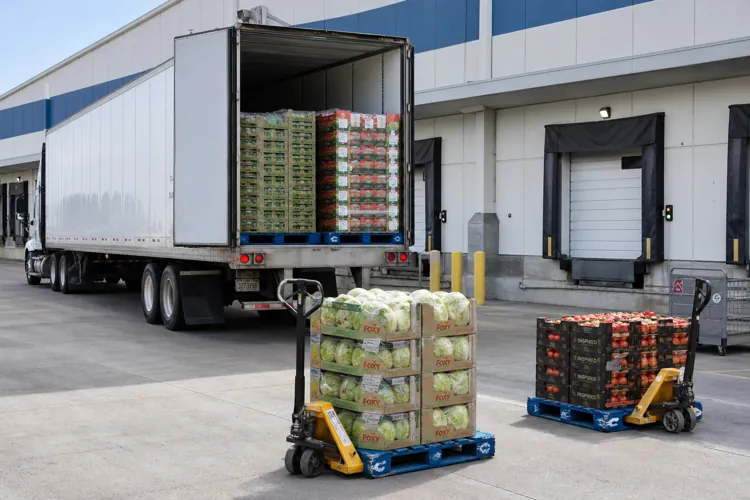

The national average diesel price has climbed to about $5.69 a gallon, nearly $2 more than a year ago.
Higher diesel costs can raise prices for groceries, packages, construction projects, and other goods because trucks, trains, and farm machinery depend heavily on the fuel.
Consumers may also encounter higher delivery fees, fuel surcharges, and home-heating expenses even if they drive gasoline-powered or electric vehicles.
Consumers watching gasoline prices may be overlooking another potentially significant inflation threat: the rapidly rising cost of diesel fuel.
The national average price of diesel reached $5.69 a gallon on Sept. 2, according to AAA. That was up from $5.36 a month earlier and $3.69 a year ago — an increase of nearly $2 a gallon, or about 54%.
The latest government survey showed a similar trend. The U.S. Energy Information Administration (EIA) put the average price of on-highway diesel at $5.60 a gallon for the week ending Aug. 31. Although that was down about five cents from the previous week, it was $1.87 higher than a year earlier, according to the EIA’s weekly fuel report.
Even if you don’t drive a big truck, that’s a problem.
Unlike gasoline, diesel is not primarily a consumer fuel. It is an industrial fuel used to move, grow, and build much of what Americans buy. That means its price can work its way into household budgets through a variety of indirect channels.
Trucking costs are the first link
Most consumer products spend at least part of their journey on a diesel-powered truck. When fuel prices increase, trucking companies may impose or increase fuel surcharges charged to manufacturers, wholesalers, and retailers.
Those businesses must then decide whether to absorb the expense or pass it along to customers.
Consider a large truck that travels 100,000 miles a year and averages six miles per gallon. A diesel increase of $1.87 a gallon would add more than $31,000 to its annual fuel bill, assuming its mileage and fuel economy remain unchanged.
Large carriers may protect themselves with fuel contracts or surcharge agreements. Smaller trucking companies and independent drivers often have less bargaining power and may feel the increase more quickly.
Groceries may be especially vulnerable
Food prices can be affected at several stages of production.
Farmers use diesel in tractors, combines, and irrigation equipment. Trucks transport fertilizer, animal feed, and other supplies to farms, then carry crops and livestock to processing plants.
Finished food products must still be delivered to warehouses, supermarkets, and restaurants.
Fresh produce, meat, and dairy products may be particularly sensitive because they require frequent, time-critical deliveries. Refrigerated trailers also burn additional fuel to keep products cold.
Consumers are unlikely to see a separate “diesel charge” on a supermarket receipt. Instead, the added expense may appear gradually in the prices of individual products.
Online orders and home deliveries
Higher transportation costs can also affect online shopping. Retailers and delivery companies may respond by increasing shipping charges, raising minimum-purchase requirements for free delivery, or adding fuel surcharges to certain services.
The impact could extend to furniture, appliances, and building materials, which are heavy and expensive to transport. Contractors may also adjust their estimates as the cost of operating diesel pickups, excavators, loaders, and generators rises.
Waste collection companies, landscapers, moving companies, and home-repair services are among the other businesses that could pass along part of their higher fuel bills.
Heating and public services
Diesel is closely related to heating oil, and the two fuels compete for similar refinery output. A tight market for distillate fuels can therefore raise heating expenses for households — particularly in the Northeast, where heating oil remains common.
Local governments and school districts may also face higher costs for buses, snowplows, emergency vehicles, and road equipment. Transit agencies operating diesel buses could have less money available for other services or may eventually seek higher fares.
Railroads use diesel locomotives to move everything from automobiles to grain. Higher rail costs can add another layer of expense before products ever reach a truck or store.
What is pushing prices higher?
Current pressure reflects more than the price of crude oil. Diesel supplies have been tightened by global refinery disruptions, geopolitical conflict, and limits on exports from some producing countries.
U.S. distillate inventories, which include diesel and heating oil, stood about 14% below their five-year seasonal average in late August, according to EIA data. That leaves less of a cushion when refineries go offline or international supplies are disrupted.
Renewed conflict involving the U.S. and Iran has also increased crude prices and shipping risks, while restrictions on Russian fuel exports have further tightened the global diesel market.
Consumers may not feel the full effect immediately. Transportation contracts and existing inventories can delay price increases for weeks or months. But if diesel remains elevated, more companies are likely to pass at least part of the added expense along — making the price on the diesel pump relevant to nearly every household, regardless of what is parked in the driveway.