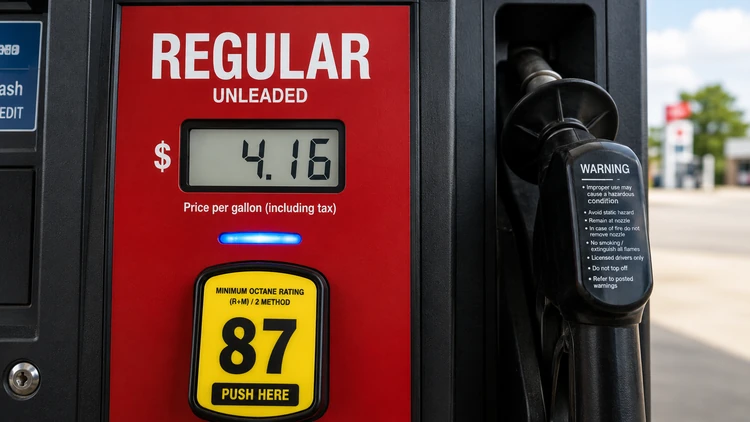

- U.S. gasoline prices are falling even as crude oil prices rise, because refiners are producing ample supplies of gasoline and consumer demand remains relatively soft.
Global oil markets are reacting to escalating tensions in the Middle East, but the impact on gasoline prices is being offset by strong refinery output and healthy inventories.
Analysts say motorists could continue to see lower prices at the pump unless geopolitical tensions begin disrupting actual oil production or shipping routes.
Motorists are starting the week with continued relief at the gas pump. AAA reports the national average price of regular gas is $4.16 a gallon, down 16 cents in the last seven days.
But the Iran war continues, with a major escalation over the weekend, and oil prices continue to rise. So, is there something else going on?
The apparent contradiction reflects the complex relationship between crude oil and gasoline, which do not always move in lockstep.
Crude oil is the primary ingredient used to make gasoline, and rising oil prices generally lead to higher fuel costs. Recent gains in oil prices have been driven largely by concerns that escalating conflict in the Middle East could threaten global supplies.
Traders are closely watching developments in a region that produces roughly one-third of the world's oil and includes critical shipping routes such as the Strait of Hormuz.
Why gas prices are falling
Despite those concerns, gasoline prices have been moving in the opposite direction. One reason is that U.S. refineries are operating at high utilization rates, producing ample quantities of gasoline and other fuels. The increase in supply has helped offset the impact of higher crude costs. In addition, gasoline inventories remain comfortable in many parts of the country, reducing the risk of short-term shortages that can push prices higher.
Demand is also playing a role. While Americans continue to drive, gasoline consumption has been weaker than many analysts expected. Improved vehicle fuel efficiency, the growing number of electric vehicles on the road, and cautious consumer spending have all contributed to softer demand growth. When demand fails to keep pace with supply, gasoline prices tend to ease.
Another factor is timing. Changes in crude oil prices typically take several weeks to fully work their way through the supply chain. Gasoline currently being sold at retail stations may have been refined from oil purchased before recent price increases occurred. As a result, pump prices often lag movements in the oil market.
Perception vs. reality
Market analysts note that the recent rise in crude prices has been driven more by fears of potential supply disruptions than by actual losses of oil production. Unless fighting in the Middle East begins affecting oil fields, pipelines, or shipping lanes, those fears may not translate into significantly higher gasoline prices.
The result is an unusual but welcome situation for motorists: lower fuel bills even as geopolitical risks push oil prices higher.
But consumers shouldn’t get complacent. A major disruption to oil exports from the Middle East would likely tighten global supplies and eventually increase both crude and gasoline prices. Until then, strong refinery production and adequate fuel inventories are helping shield consumers from the volatility affecting the oil market.