2024 Environmental Health Risks

Article Image

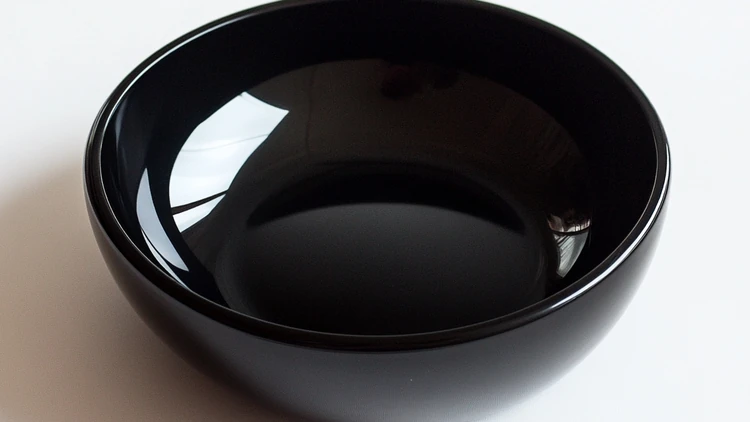
Don't throw out all your black plastic kitchen utensils just yet

Math errors are the plague of the writing class. Reporters and editors are frequently flummoxed by simple slip-ups and held up to public ridicule. But scientists? They're expected to get it right.

Thus, it must be doubly embarrassing for the editors of the journal Chemosphere. They recently posted a correction to a study about toxic flame retardants in kitchen utensils made of black plastic.

The study had warned that these utensils might pose a significant health risk, leading to media reports advising people to replace their kitchen spatulas and spoons.

“We know for a fact that these toxic flame retardants can migrate out of the products that they’re in and into our environment,” said Megan Liu, who co-authored the study. Heat, she noted, can make it easier for these chemicals to leach out.

Just a few digits off

However, it turns out that the authors made a math error that overstated the risk.

The original study estimated that kitchen utensils could transfer 34,700 nanograms of a toxic flame retardant (BDE-209) per day, which they compared to the EPA's safe level of 420,000 nanograms per day.

But the authors mistakenly reported the EPA's safe limit as 42,000 nanograms per day, making the estimated exposure appear much closer to the safe limit than it actually was. After correcting the error, they clarified that the actual exposure was much lower than previously suggested.

Despite the error, the study's overall conclusion remains the same, the authors said. The corrected study still states that flame retardants in plastic products are a significant concern, but the risk to consumers is much lower than initially reported.

"This calculation error does not affect the overall conclusion of the paper," the correction reads. The corrected study still ends by saying that the flame retardants "significantly contaminate" the plastic products, which have "high exposure potential."

“There’s really no safe level of exposure to these harmful toxic flame retardants,” Liu said, adding these substances can build up in the body.

Article Image

EPA bans two toxic dry cleaning chemicals

The federal government is banning perchloroethylene (PCE or Perc), a chemical used in dry cleaning, adhesives, and industrial products, due to its link to cancer and other health risks.

While occasional exposure from wearing dry-cleaned clothes poses minimal risk to consumers, spills and leaks from dry cleaners can contaminate drinking water and air, posing greater risks for nearby residents.

“U.S. communities large and small have tap water with potentially harmful levels of TCE, and they may not be aware of this risk,” said Tasha Stoiber, Ph.D., senior scientist with the Environmental Working Group. 

“People can be exposed to this toxic solvent at home not just by drinking TCE-contaminated water but also by inhaling it when bathing and washing dishes. The EPA’s final rule will help to finally end most uses of this dangerous chemical,” added Stoiber.

The ban will phase out Perc in consumer and many commercial uses over the next 10 years. Some states and cities already restrict its use, and many dry cleaners have switched to safer alternatives. Workers in industries using Perc face the highest risks.

The EPA is also banning another harmful chemical, trichloroethylene (TCE), found in some cleaning products and linked to water contamination cases. Experts advise testing well water for such chemicals and using filters if needed.

For most people, occasional exposure to these chemicals is limited, and focusing on healthy habits like eating well and exercising is key to reducing overall health risks.

Article Image

EPA bans chemical found in some paint removers, industrial and consumer

The Environmental Protection Agency (EPA) has issued a final order banning most uses of methylene chloride, a chemical found in some industrial and consumer paint-removing products.

The EPA said it took the action because the chemical is “known to cause liver cancer, lung cancer, breast cancer, brain cancer, cancer of the blood, and cancer of the central nervous system, as well as neurotoxicity, liver harm and even death.”

The rule does allow some uses of the chemical but only with a newly developed worker protection program.

“Exposure to methylene chloride has devastated families across this country for too long, including some who saw loved ones go to work and never come home,” said EPA Administrator Michael Regan.

“EPA’s final action brings an end to unsafe methylene chloride practices and implements the strongest worker protections possible for the few remaining industrial uses, ensuring no one in this country is put in harm’s way by this dangerous chemical.”

Consumer uses

Methylene chloride is used by consumers for aerosol degreasing and paint and coating brush cleaners, in commercial applications such as adhesives and sealants, and in industrial settings for making other chemicals. For example, methylene chloride is used in the production of more climate-friendly refrigerant chemicals.

The chemical has primarily been used in industrial settings, stripping paint from metal. The United Steel Workers Union issued a statement praising the ban, saying it would promote the health of steelworkers.

David McCall, international president of the union, says more than 100,000 workers die from occupational disease each year, including those sickened by harmful chemical exposures. 

Article Image

New EPA standards limit forever chemicals in drinking water

The Environmental Protection Agency (EPA) has taken steps to protect consumers from exposure to per- and polyfluoroalkyl substances (PFAS), or forever chemicals, in drinking water. 

For the first time, the agency has a set of standards that will limit how much of the toxic chemicals are allowed in drinking water, which will ultimately benefit consumers across the country. The EPA is hopeful that these efforts will limit exposure to forever chemicals and reduce the risk of disease related to such exposures. 

“Drinking water contaminated with PFAS has plagued communities across the country for too long,” said Michael S. Regan, EPA administrator. “That is why President Biden has made tackling PFAS a top priority, investing historic resources to address these harmful chemicals and protect communities nationwide.” 

Keeping consumers safe and water clean

With this announcement, the EPA will require that PFAS levels in drinking water are kept to certain limits across the country. There are five primary types of PFAS that are part of the standard: PFOA, PFOS, PFNA, PFHxS, and HFPO-DA. 

To ensure that these standards are met, the EPA is making $1 billion in funding available to public water utility companies nationwide. The funds are part of the $9 billion made through the 2021 Bipartisan Infrastructure Law that was designed to help communities fight against PFAS exposure. 

According to the EPA’s estimations, as many as 10% of the 66,000 public water drinking systems will have to take action to comply with the new standards. The agency explained that the top three ways to reduce PFAS exposure in water are: ion exchange systems, granular activated carbon, and reverse osmosis.  

Over the next three years, these companies will have to report their PFAS levels to the EPA. If the levels are too high, they must move forward with one of the available options for lowering PFAS levels within five years. 

In making these changes across the country, the EPA estimates that 100 million people will no longer be exposed to PFAS in their water. This will ultimately prevent serious illnesses and deaths for thousands of consumers nationwide. 

Article Image

Here's a surprising way to improve your memory

How many different things do people take to improve their memory? Well, there are more than 1,000 such products on Amazon, alone.

For example, there are brain-boosting mushrooms, neuro health heroes, lion’s mane, DMAE and a chemical that comes from Chinese club moss, Huperzine A.

Now, a new study from the King’s Centre for Aging Resilience in a Changing Environment (CARICE) at King’s College of London suggests that your answer may actually be a “gut feeling.” That, quite possibly, messing with the bacteria in your gut and improving the “brain-gut axis” can help your memory as you age.

Cheap, easy, and quick

The deal is simple, the scientists say. As we age, we get weaker and more forgetful. Duh. But, they say that when they studied 72 identical twins over age 60, they found something simple waiting for them as an answer.

The group that had the real success? It was the one that did resistance exercises (sit ups, squats, push-ups, leg raises and planks) and took two cheap, over-the-counter plant fiber supplements (prebiotics) containing inulin and FOS [Fructooligosaccharides]. 

It was that combination that provided the magic: that a healthy gut microbiome is linked to better cognitive function. And not only in this study, but in others, as well. 

The fiber supplement led to significant changes in the participants' gut microbiome composition, particularly an increase in the numbers of healthy bacteria such as Bifidobacterium that’s found in your intestines and assists in digesting fiber, preventing infections, and producing important compounds such as healthy fatty acids and B vitamins. 

The impact from the exercises? Well, there wasn’t any discernible difference in muscle strength between the study groups, but the group receiving the fiber supplement did do better in tests assessing brain function, reaction time, and processing speed.

“These measures are important for daily living – for example reacting to traffic or stopping a simple trip-up turning into a fall,” the researchers said.

And fast-acting, too!

“We are excited to see these changes in just 12 weeks. This holds huge promise for enhancing brain health and memory in our aging population. Unlocking the secrets of the gut-brain axis could offer new approaches for living more healthily for longer,” first author Dr Mary Ni Lochlainn, from the Department of Twin Research, said.