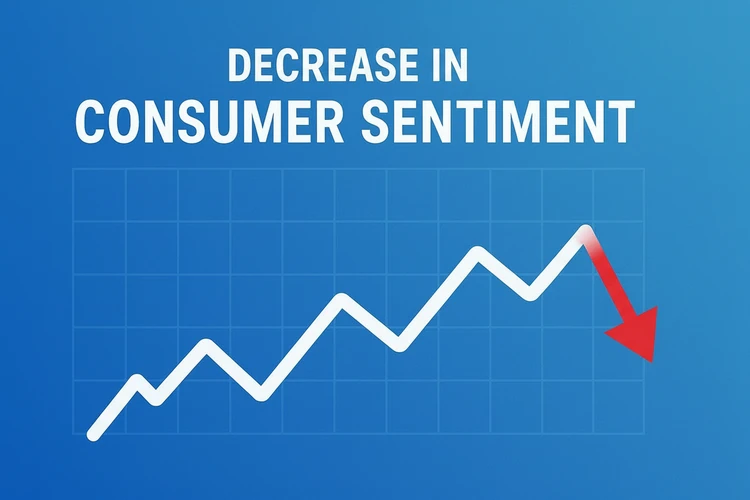
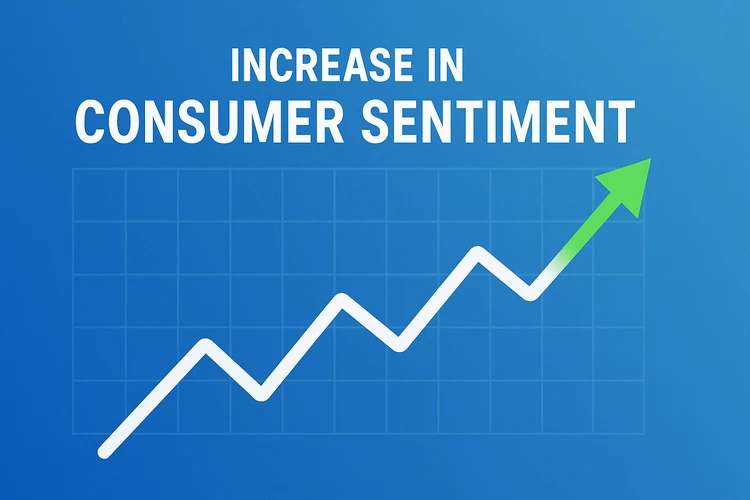





The Conference Board Consumer Confidence Index® increased to 97.2 in July, up from a revised 95.2 in June.
The Present Situation Index declined slightly to 131.5, reflecting continued concerns about current job conditions.
The Expectations Index rose to 74.4, but remained below the recession-indicative threshold of 80 for a sixth straight month.
Consumer confidence edged up in July, signaling cautious optimism about the short-term economic outlook, even though there are lingering concerns about the labor market and inflation.
According to The Conference Board’s latest release, the Consumer Confidence Index rose by 2.0 points to reach 97.2 (1985=100), reflecting improved expectations across most age and income groups.
"Consumer confidence has stabilized since May, rebounding from April's plunge," said Stephanie Guichard, senior economist at The Conference Board. “Though optimism remains below last year's highs, July’s improvement suggests consumers are regaining some confidence in future conditions, particularly regarding business prospects, employment, and personal income.”
Recession worries persist
Despite a small lift in overall confidence, consumer perceptions of current economic conditions were mixed. The Present Situation Index dropped slightly to 131.5, driven largely by weakening sentiment around job availability.
While more consumers (30.2%) said jobs were "plentiful" in July compared to June (29.4%), a growing share – 18.9% – reported jobs were "hard to get," the highest percentage since March 2021. This figure is up significantly from 14.5% in January.
At the same time, the Expectations Index rose 4.5 points to 74.4, a sign that consumers are growing less pessimistic about the coming months. Even so, the index has remained under the 80-point mark, historically associated with recession risks, for half a year, indicating continued economic uncertainty.
Inflation concerns
Write-in survey responses revealed that consumers remain concerned about inflation, tariffs, and recent legislative developments. Despite a slight drop in 12-month inflation expectations, concerns over rising prices persisted. Tariffs were a top concern, especially in terms of their potential to drive costs higher.
Some respondents referenced the recent budget reconciliation bill passed by Congress, dubbed the “Big Beautiful Bill,” with opinions divided: some praised its economic potential while others voiced skepticism. However, the legislation did not dominate consumer concerns in July.
Consumer spending intentions painted a mixed picture. Plans to purchase cars and homes declined in July, though they remained relatively stable when viewed on a six-month average basis. Big-ticket items like appliances saw uneven demand, while interest in electronics crept upward.
In services, spending intentions weakened for the second month in a row, with dining out, travel, and lodging all seeing declines. Domestic vacation plans fell overall, while a slightly larger share of consumers expressed interest in traveling abroad.