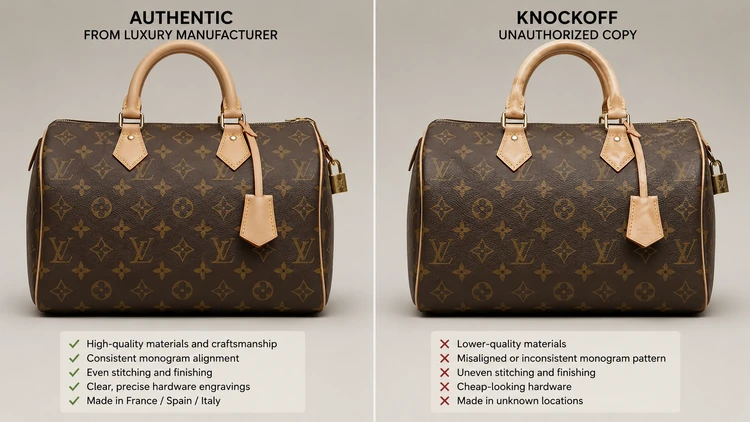

Counterfeit consumer products are increasingly infiltrating online marketplaces, prompting brands to issue warnings about fake or unauthorized sellers.
Hair-care brand Pureance recently warned consumers that third-party affiliates were spreading misleading information and selling potentially counterfeit versions of its HydraLift products.
Experts say the growth of e-commerce, fake reviews, and sophisticated online marketing has made it harder for shoppers to distinguish authentic products from counterfeits.
As counterfeit consumer products become more sophisticated and widespread, companies across the beauty, wellness, electronics, and supplement industries are stepping up efforts to warn consumers about unauthorized online sellers.
One recent example involves Pureance, a beauty and wellness brand that issued a consumer alert warning shoppers about unauthorized affiliates and counterfeit sellers marketing versions of its HydraLift hair-care products online. According to the company, rising demand for the product has led to misleading third-party advertisements and potentially fake merchandise being offered outside official sales channels.
The company urged customers to buy only through its official website to ensure authenticity and maintain eligibility for its money-back guarantee.
An internet creation
Industry analysts say the warning reflects a larger problem affecting consumers worldwide. Counterfeit goods have expanded rapidly alongside e-commerce growth, allowing unauthorized sellers to create convincing storefronts, fake reviews, and deceptive advertising campaigns that can be difficult for shoppers to identify.
Researchers studying online marketplace fraud note that fake sellers often exploit consumer trust by offering steep discounts, using copied branding, and generating artificial reviews to appear legitimate.
In some cases, counterfeit products may simply fail to deliver promised results. In others, the risks are more serious, particularly when products involve cosmetics, supplements, electronics, or health-related items.
What to do
Consumer advocates recommend several precautions before making online purchases:
Buy directly from manufacturers or authorized retailers whenever possible.
Be wary of unusually low prices or “limited-time” pressure tactics.
Check for verified contact information and return policies.
Research independent reviews instead of relying solely on marketplace ratings.
Look for spelling errors, altered packaging, or inconsistent branding.
Harder to detect
The challenge for consumers is compounded by the increasing sophistication of counterfeit operations. Academic researchers have found that fraudulent sellers and fake-review networks are becoming harder to detect because they mimic legitimate online behavior more effectively than in the past.
At the same time, companies are investing in anti-counterfeiting technologies, including QR-code verification systems, blockchain tracking, and product-authentication tools designed to help buyers confirm authenticity.
Counterfeit and pirated goods accounted for about 1.8% of world trade in 2007. By 2019, that figure had risen to roughly 2.5% of global trade, representing an estimated $464 billion in counterfeit goods.
The latest OECD-EUIPO report estimates counterfeit trade reached $467 billion in 2021, or 2.3% of total global imports.