


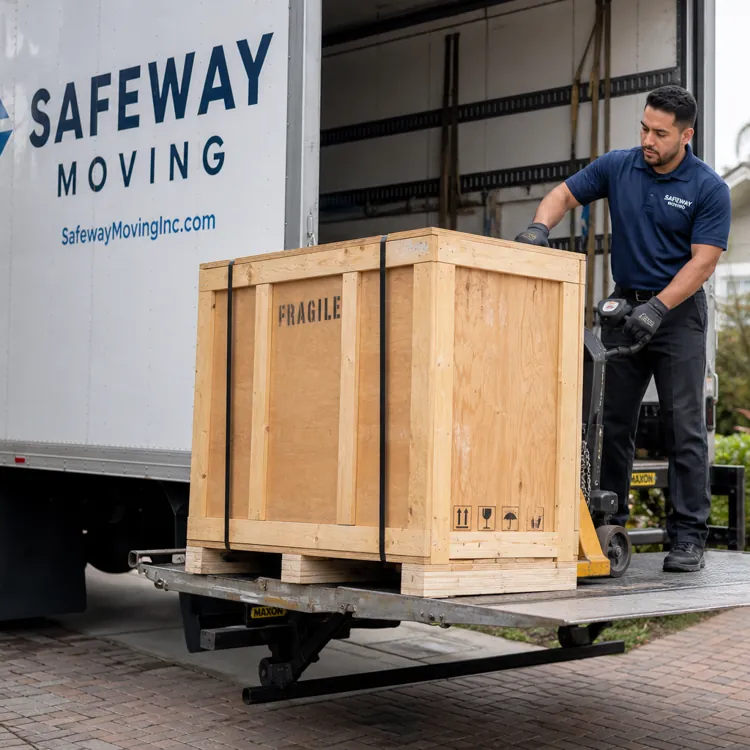
5 steps to shipping furniture
Moving furniture can feel overwhelming, but with the right preparation and plan, you can protect your belongings from damage. We’ve broken down the process into five key steps to help you get your furniture safely from point A to point B.
1. Prepare and pack your furniture
Packing furniture properly is the first step to preventing costly damage during shipping. Whether you’re moving a couch, dining set or bed frame, you need the right materials and a solid plan for disassembly to keep everything protected.
Best packing materials for shipping furniture
The packing materials and moving supplies you need depend on the size and fragility of the item. For furniture, consider gathering these items:
- Cushioning material or foam padding: For fragile surfaces and corners
- Furniture blankets: To prevent scratches and dents on large pieces
- Shrink-wrap: To keep protective padding in place and shield against moisture
- Cardboard sheets: To reinforce exposed edges
- Packing tape: To secure coverings
- Moving straps or rope: For securing pieces on a pallet
- Pallets: To stabilize large or heavy items
- Wooden crates or double-walled cardboard boxes: For fragile or oversized items
For small furniture (like nightstands or chairs), wrapping with blankets and packing material may be enough. Larger pieces, such as beds, dressers and bulky tables, benefit from multiple layers of protection and palletization if shipping freight.
Professional packing may be worth the extra cost for especially fragile or valuable furniture. A full-service shipping company can pack your most delicate pieces securely in custom crates.
» RELATED: How to pack for a move
How to protect fragile furniture
Protecting antiques, heirloom pieces and other fragile furniture properly during shipping helps prevent costly damage.
- Wrap fragile items, like glass or mirrored surfaces, with packing material, then reinforce with cardboard sheets.
- Use corner protectors on furniture with sharp edges or vulnerable finishes.
- Avoid placing heavy items on top of fragile ones, even if packed tightly.
- If placing items on a pallet, keep everything within the pallet’s footprint to avoid damage during forklift handling. Don’t allow anything to hang over the edge.
- If your carrier’s liability insurance doesn’t fully cover your furniture’s declared value, consider purchasing third-party insurance.
Should I disassemble furniture for shipping?
Disassembling furniture before shipping is a good idea because it reduces breakage and makes large items easier to move. It’s not always required, but it can protect delicate parts and simplify handling.
How to disassemble furniture for shipping
- Review the manual (if available) to identify safe disassembly points.
- Remove loose components like cushions, drawers and shelves.
- Unscrew legs, arms or bed rails, labeling each part with masking tape and a marker.
- Bag and label hardware (screws, bolts, fasteners) in sealable bags and tape them to the corresponding furniture piece.
- Wrap individual parts separately using padding and shrink-wrap
2. Choose the right shipping method
When it comes to shipping furniture, selecting the right method can help reduce costs and minimize damage. Understanding the different types of freight shipping can significantly lower your moving costs.
Two common options are less-than-truckload (LTL) and full truckload (FTL). These ground shipping methods involve moving your goods via heavy-duty commercial trucks (“big rigs”). With FTL shipping, you get an entire trailer — typically 53 feet long — while LTL allows you to use only part of that space.
There are other methods to consider as well, including:
- Parcel shipment: Provided by parcel carriers such as UPS, FedEx, or USPS, parcel shipment is ideal for individual small furniture pieces. Weight and size limits apply, so items are typically under 150 pounds. Packages may travel by air, ground or sea.
- Moving container: With this method, companies like PODS drop a container off at your location. After you fill the container, the company picks it up and transports it to its destination. Moving containers are a good option if you prefer to control the packing process directly.
- Rental truck: Shipping furniture by rental truck is the ultimate do-it-yourself option. Rent a vehicle from companies such as U-Haul, pack and load your furniture, then drive it wherever it needs to go.
- Premium shipping services: Also known as white-glove services, these companies specialize in shipping fragile or high-value items such as antiques. They take charge of your furniture from pickup to delivery, minimizing transfers and often offering amenities like climate-controlled transit and on-site placement.
What is the difference between LTL and FTL shipping for furniture?
LTL (less-than-truckload) shipping means your furniture shares space on a truck with other shipments. It’s best for smaller shipments that don’t fill an entire truck. LTL is usually more cost-effective for individual pieces or small loads but can take longer because the truck makes multiple stops.
FTL (full truckload) shipping means your furniture takes up the entire truck. This is ideal if you have a large shipment or need faster delivery. FTL can be more expensive, but it offers a more direct route with less handling, which reduces the risk of damage.
Here’s how to choose between them:
- Size and weight: FTL is best for large or heavy loads, and LTL works best for smaller items.
- Delivery timeline: FTL is faster and more direct.
- Budget: LTL is cheaper for smaller shipments.
- Risk tolerance: FTL limits handling, lowering damage risk.
- Pickup and drop-off location: Remote areas may affect availability or cost.
3. Select a reliable carrier
Selecting the right carrier can make a big difference in cost, delivery time and how well your furniture is protected.
Look for furniture shipping carriers that offer:
- Experience with large or fragile items
- Insurance options
- Tracking and delivery confirmation
- Pickup and delivery flexibility
- Transparent pricing
Logistics checklist for residential furniture shipping
When contacting shipping companies, remember that access factors like stairs and elevators can change the price you’ll pay. Unless your building has a loading dock, you may also need to plan for liftgate service charges. Use this list to help ensure an accurate quote and avoid failed delivery attempts or surprise surcharges.
- Describe any access issues at your pickup or dropoff location, such as stairs, elevators or narrow hallways.
- Be certain you know how long the company’s appointment windows are so you don’t miss a pickup or delivery.
- Specify whether you’re looking for curbside, indoor or white-glove service.
- Ask your carrier about liftgate service charges. A liftgate is a hydraulic platform that lifts goods in and out of a truck when there is no loading dock, ramp or forklift available. It’s commonly used for residential pickup and dropoff.
How do UPS and FedEx compare for furniture shipping?
A side-by-side comparison of UPS and FedEx Freight can help you choose the right option for your furniture shipment.
| UPS | FedEx Freight | |
|---|---|---|
| Network type | Strong LTL network across the U.S. | Largest LTL carrier in the U.S. |
| Shipment size | Small to midsize shipments | LTL and volume shipping options |
| Delivery options | Flexible pickups, flat-rate pricing on some services | Flexible scheduling, door-to-door delivery and a built-in loading platform |
| Liability coverage | Up to $50,000 per package or $100,000 per pallet with declared value | Coverage based on declared value |
| Insurance for high-value items | Additional coverage available through declared value | Additional coverage requires third-party insurance |
| Tracking | Reliable tracking and delivery confirmation | Real-time updates and delivery notifications |
4. Find ways to save on shipping
Shipping costs can add up fast, but timing, bundling and comparing quotes can help you save on your move.
Here’s how you can reduce costs:
- Choose the right shipping method: Shipping smaller loads via LTL freight is often cheaper than FTL if you don’t have enough furniture to fill a whole truck.
- Disassemble and pack items yourself: Properly disassembling and packing your furniture can reduce the size and weight of shipments, lowering costs.
- Consolidate shipments: If possible, ship multiple items together rather than separately to save on fees.
- Ship midweek or during the off-season: Midweek or off-season moves can cost less because shipping demand is lower.
- Use pallets: Putting items on a pallet, which carriers prefer and sometimes reward with lower pricing, can help stabilize the load.
Try negotiating a better rate
Don’t be afraid to ask about cheaper delivery windows, available discounts or price matching based on competitor quotes.
» MOVING?: Top-ranked moving companies
5. Inspect your shipment when it arrives
Once your furniture gets to its destination successfully, check its condition against pre-shipment photos before signing off on the delivery. Keep the delivery records, and if you need to file any damage claims, make sure you do so within the required window.
International furniture shipping
If you’re shipping internationally, it’s smart to ensure a smooth customs process. There are strict regulations in place for international moves, so it's important to be prepared.
Here are some things to consider before shipping internationally:
- Documentation: You’ll need customs declarations, itemized invoices with values and descriptions, and sometimes export permits. Incomplete paperwork can lead to holds or fines.
- Shipping method: Sea freight is cheaper for large loads but slower. Air freight is faster but more expensive.
- Packaging standards: Use durable, moisture-resistant materials. Compliant options like heat-treated pallets may be required.
- Duties and taxes: Import fees vary widely by country and can raise shipping costs significantly. Some countries reduce or waive fees for used or personal items.
- Customs inspections: Customs inspections can cause delays. Plan for weeks or months in transit. Incomplete or inaccurate paperwork regarding the declared value of shipments can also trigger holds or penalties.
Pro tip
Use a customs broker or freight forwarder to navigate paperwork and speed up clearance, and check destination country laws for restrictions and prohibited items.
FAQ
What is the cheapest way to ship furniture?
The cheapest way to ship furniture is usually via LTL freight, which lets you share truck space with other shipments. Disassembling items and consolidating shipments can also reduce costs. Shipping during off-peak times can also lead to lower rates.
How do I ship a single piece of furniture to another state?
To ship one piece of furniture across states, choose LTL freight or use a specialized carrier experienced with furniture. Properly pack and protect the item, and consider purchasing insurance for valuable pieces.
Is UPS a reliable option for shipping furniture?
Yes, UPS offers a strong LTL network with reliable tracking, flexible pickups and flat-rate pricing on some services, making it a solid choice for small to midsize furniture shipments.
What are the best materials to pack furniture for shipping?
Use packing material or foam padding for fragile surfaces, furniture blankets to prevent scratches, shrink-wrap to hold protective layers in place and cardboard to reinforce edges. Heavy-duty packing tape secures coverings, and pallets help stabilize large or heavy items.
Do I need moving insurance for furniture?
Moving insurance may be worth it for your furniture. While basic liability coverage is included, you’ll likely need to declare a higher value or purchase additional insurance for expensive or fragile items. This extra protection can reduce your financial risk if damage occurs.
Article sources
ConsumerAffairs writers primarily rely on government data, industry experts and original research from other reputable publications to inform their work. Specific sources for this article include:
- University of North Carolina, “Lifting and Material Handling.” Accessed July 17, 2026.
- Federal Motor Carrier Safety Administration, “Pickup of My Shipment of Household Goods (Subpart E).” Accessed July 17, 2026.
- FedEx, “FedEx declared value.” Accessed July 17, 2026.
- UPS, “Cargo Insurance Services.” Accessed July 17, 2026.
- U.S. Customs and Border Protection, “Basic Importing and Exporting.” Accessed July 17, 2026.