

How to pack a storage unit
Start by cleaning the unit and adding a barrier between your belongings and the floor. Then pack fragile items with cushioning material, use sturdy boxes and load the unit so heavy items stay low and frequently used items stay near the front. A clear aisle, detailed labels and a basic inventory can make the unit easier to use later.
1. Clean and prepare your storage unit
First, make sure the unit is clean so dirt and dust won’t transfer to your belongings. You can get started by sweeping the unit to remove any dust and dirt. Then, mop with an all-purpose cleaner.
If the unit lacks climate control, lay plastic sheeting or wooden pallets on the floor. This will help guard against moisture. You can use metal shelving to maximize vertical space and keep boxes off the floor. Shelving lets you stack boxes safely without crushing the bottom boxes under excessive weight.
Protect temperature-sensitive items
Choose a climate-controlled unit for electronics, photos and antiques. Keep items off the floor to protect them from moisture.
For electronics, artwork or antiques, you’ll need to look for a self-storage company that rents climate-controlled units. Climate control becomes essential for long-term storage or in areas with extreme temperature fluctuations.
2. Pack different types of items properly
Start with the same basics you’d use when packing for a move: protect fragile items, group similar belongings and keep heavy pieces low. Make sure items are clean and dry before storing to reduce dust and the risk of mold.
Since furniture takes up the most space, start there. Disassemble what you can: bed frames, headboards and tables legs. You’ll save space if you store tabletops vertically.
For electronics and appliances, clean and dry items completely before storage. Remove batteries from electronics when possible. For refrigerators and freezers, empty and dry the interior, then leave the doors slightly open to help prevent odors, mold and mildew.
For long-term storage, take extra precautions to protect against moisture, dust and mold. Add silica gel packets to boxes containing important documents or photographs. Cover furniture with a loose cloth or blanket; plastic can trap moisture and limit airflow.
Don’t pack the unit wall-to-wall
Keep items off the floor and leave space for airflow. Moisture trapped against boxes or furniture can lead to mold.
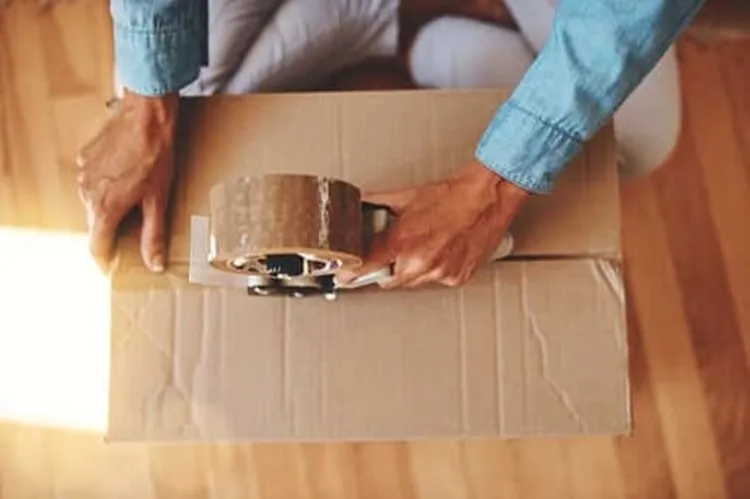
Protect fragile items by filling empty spaces with packing materials, like bubble cushioning wrap or honeycomb paper. To make items easier to carry, put heavy items in small boxes. Seal all boxes completely with packing tape to keep out dust.
» COMPARE: Top-rated moving companies
3. Organize your storage unit
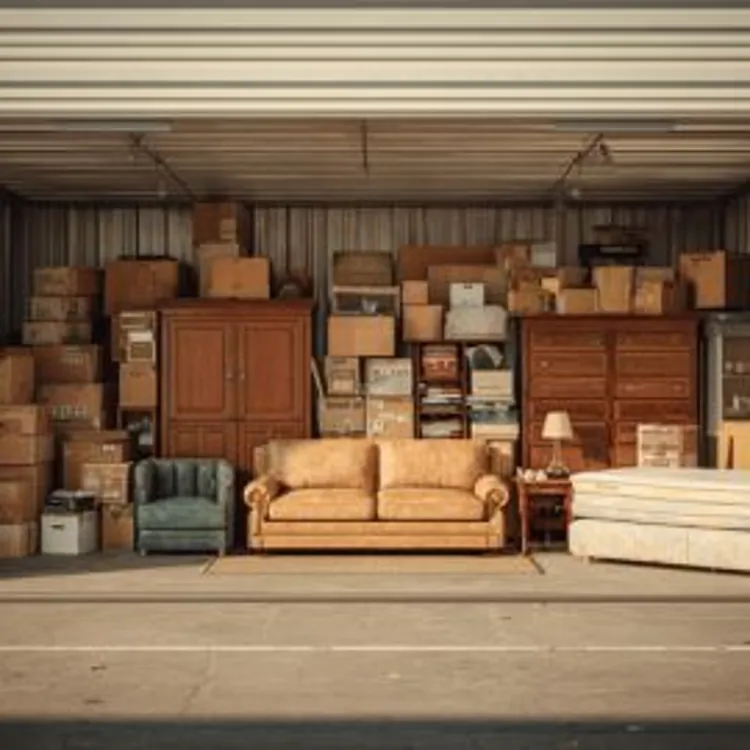
Smart organization transforms a cluttered unit into an efficient space. Place frequently needed items in the front where you can reach them easily. Put long-term storage items in the back or along the sides.
Use uniformly sized boxes to save space and simplify stacking. Same-size boxes stack better and reduce the risk of overpacking, which makes boxes too heavy to move safely.
Create a central walkway to access items without having to move everything. Store possessions along outer walls first, leaving aisles between rows. This prevents you from rummaging through a full unit to find boxes hidden in the back.
4. Label everything
Proper labeling and an inventory list may take a little while upfront, but it saves time and frustration later. Label every box on all sides with its contents and the room it goes in using a bold marker. Mark fragile boxes clearly so they don't get stuck under heavy items.
Create an inventory list of everything in your unit. This will help you find them later. Consider drawing a simple map showing where different items are located.
» MORE: Storage unit costs
5. Follow safety guidelines and restrictions
Understanding storage restrictions protects your belongings and the facility. Public Storage prohibits drugs, lithium batteries, explosives, live plants and animals, and flammable liquids. Check your rental agreement for a complete list.
Never store hazardous materials. Flammable items like gasoline, propane tanks and fireworks can ignite and damage your property and others'. Corrosive materials, explosives and toxic chemicals pose safety risks to the entire facility.
Don’t store perishable items, including pet food. Food rots,attracting insects and rodents.
Individual storage facilities may have their own list of restricted items, which may include:
- Wet or damp items that could develop mold
- Important documents or cash (use a safe-deposit box instead)
- Illegal items or stolen goods
FAQ
How do you arrange items in a storage unit?
Place the largest, heaviest items in the back to keep them from blocking access to the rest of the unit. Keep frequently used items near the door. Put heavier boxes on the bottom and lighter or fragile boxes on top so stacks stay stable and boxes don’t get crushed. Leave a center aisle so you can reach items in the back.
What items should you not put in a storage unit?
Avoid storing food, hazardous materials, living creatures, highly sentimental items, guns, ammunition, plants, flammable liquids, chemicals or perishable items. These can be dangerous, cause damage or violate facility rules. Check your rental agreement for your facility's complete list of prohibited items.
Should I put a tarp on the floor of my storage unit?
Yes, plastic sheeting or a tarp can help protect items stored on the floor. It creates a barrier between your belongings and the concrete, which may help reduce moisture exposure and make the unit easier to keep clean.
What is the best way to protect furniture in storage?
Clean furniture thoroughly before storage, and condition leather surfaces if needed. Disassemble large pieces when possible, but leave legs on couches and other heavy furniture if they help keep the item raised off the floor. Cover furniture loosely with cloth or blankets instead of plastic, which can trap moisture.
Article sources
ConsumerAffairs writers primarily rely on government data, industry experts and original research from other reputable publications to inform their work. Specific sources for this article include:
- Northeast Document Conservation Center (NEDCC), “Care of Photographs.” Accessed June 23, 2026.