


8 steps to moving by yourself
Use the following tips to manage a solo move safely and on a budget. The first step: decluttering before you pack.
1. Declutter before packing
Decluttering is one of the biggest time savers in a DIY move. Fewer belongings mean fewer boxes, less weight to carry and lower truck costs. Clear out closets, storage areas and anything you haven’t used in the last year. Donate, sell or discard before you start boxing.
2. Start packing immediately
When it comes to moving timelines, packing should start as soon as possible. Most people underestimate how long it takes to pack, and unpacked items are one of the biggest causes of delays on moving day.
As tempting as it is to wait, moving professionals advise packing up your nonessentials, like books, knickknacks, kitchenware you use only a few times a year and out-of-season clothing, right away.
Move packed boxes into a staging area near the exit if possible. When it gets close to the day of your move, create one or two essentials boxes with any toiletries, medications, clothes, chargers, tools and cleaning supplies you think you’ll need right away. Include any items that will be part of your daily routine on your first couple of days, like coffee-making supplies and a couple of changes of clothes.
» LEARN: Packing tips and strategies
3. Create a comprehensive moving checklist
A moving checklist keeps you organized and prevents last-minute stress. Start planning six to eight weeks before your move so you have plenty of time to budget and gather supplies. Be sure to book a moving truck early; the closer it gets to the moving date, the more expensive it will be.
Break your checklist into weekly goals. Early tasks include setting a budget, collecting boxes and sorting items to toss, donate or sell. Focus on packing nonessential rooms, confirming dates with your truck rental and staging packed boxes near the door.
» MORE: Checklist for moving into a new house
4. Choose your moving method
Here are three common DIY-moving methods:
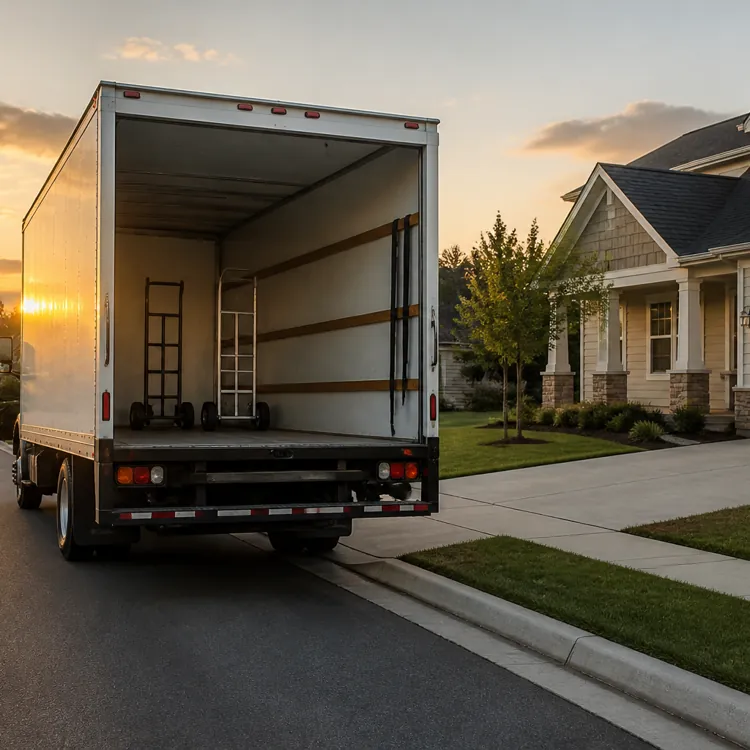
- Truck rental: Small trucks and vans often start at around $20 per day plus a per-mileage fee, but the total cost of a moving truck can climb quickly based on distance and demand.
- Portable storage containers: These containers allow you to load at your own pace while the moving company handles the driving, which works out well for solo movers.
- Multiple car trips: This really only works for small spaces and minimal possessions in most cases, like some one-bedroom and studio apartments. If you’re moving a long distance by car, you may need to get rid of any bulky items, like beds or dressers, and get new ones at your destination.
5. Gather quality packing supplies
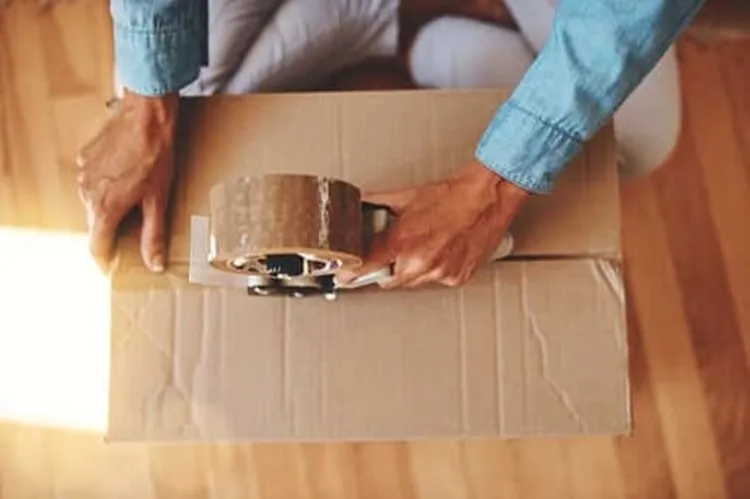
Packing supplies for a solo move include sturdy boxes, strong tape and cushion materials for fragile items. Label each box on at least two sides and keep rooms grouped together with a heavy marker.
6. Rent proper moving equipment
When you’re moving solo, it becomes even more important to rely on moving equipment to carry heavy items safely. Furniture movers (also called furniture sliders) and hand trucks help prevent injuries and protect floors. Sliders work well under couches, dressers and tables. Hand trucks make it easier to move stacked boxes or appliances. Plastic wrap can secure drawers and protect furniture from bumps.
7. Plan your moving day logistics
Build a schedule with buffer time for delays. It can be tempting to try to power through, but be sure to budget time for delays and self-care, like breaks and a full night’s sleep, which is especially important if you’re driving a long distance.
Early morning starts typically help you avoid traffic, although that depends on your route. If you’re driving a long distance, you’ll want to check road conditions, closures and traffic reports the week of your move.
On moving day, begin by loading heavy furniture and appliances first and securing them with straps or rope. Don’t forget to budget time for cleaning your old home.
8. Prioritize safety throughout the move
Moving heavy furniture on your own can be dangerous. Not everyone will be able to perform a one-hundred-percent solo move. Ask friends for help early on in the process, or hire labor-only movers for help with only your heaviest items. Stay hydrated and take breaks. Keep pathways clear of tripping hazards and avoid lifting anything that feels unsteady or unsafe.
Safety reminders for solo movers
- Lift with your legs.
- Use furniture sliders instead of dragging.
- Keep floors clear of tripping hazards.
- Take breaks every hour.
- Drink lots of water, even in winter.
Utilize moving tools and equipment
Moving tools and equipment become even more important when moving alone; it’s impossible to move heavy items safely without them. Renting items like hand trucks, furniture dollies and lifting straps helps make solo moves safer and faster. Most hardware stores and truck rental companies rent dollies for about $10 to $20 per day.
Use the hand truck to help with getting stacked boxes and appliances through tight spaces, and even downstairs, in some cases. Consider a flat furniture dolly, which works well if you don’t have any stairs or access to an elevator.
Plan your moving day
Moving during off-season months or on weekdays can lower truck rental costs. Since DIY moves often take longer, keep your schedule flexible. If your new home isn’t fully ready, consider temporary storage and move items in batches after the main move.
Know when to stop lifting
If something feels too heavy or even a little unstable, stop right away. You can hire a single mover by the hour for help with difficult items, which is far cheaper than risking an injury.
FAQ
How long does it realistically take to move?
Most DIY moves take seven weeks to two months when you include planning, packing, loading, hauling and unpacking. Local loading and unloading often take a full day or two when everything is boxed beforehand.
How can I move heavy furniture by myself?
It’s safest to get help, especially if you have stairs. But in a pinch, if you have experience moving heavy items, you may be able to move heavy furniture by yourself, with the right equipment.
You can use furniture movers to glide items across floors and a hand truck for heavy boxes or appliances. Some specialty items, like pianos or sleeper sofas, may not be able to be moved by just one person.
What should I do if I need help during the move?
If you need help during your move, you can hire a labor-only mover to load or unload for just a few hours, rather than hiring a full-service crew.
What are the best ways to save money on a solo move?
To save money on a solo move, book truck rentals early and avoid peak-season weekends. Gather free boxes from local stores, and consider renting a slightly larger truck to avoid multiple trips.
How far in advance should I book a moving truck?
Truck companies recommend booking six to eight weeks before your move, especially during the summer or if you have an end-of-the-month move, when demand is high.
How long does unpacking usually take?
Most people finish unpacking essentials in the first week, but fully unpacking and organizing can take two weeks to two months, depending on how much you moved and how much spare time you have.
Article sources
ConsumerAffairs writers primarily rely on government data, industry experts and original research from other reputable publications to inform their work. Specific sources for this article include:
- Federal Motor Carrier Safety Administration, “Protect Your Move.” Accessed Nov. 26, 2025.
- U.S. Department of Agriculture, “Water: An Important Part of a Healthy Winter Diet.” Accessed Nov. 26, 2025.
- MovingHelp, “What are Labor Only Movers?” Accessed Nov. 26, 2025.