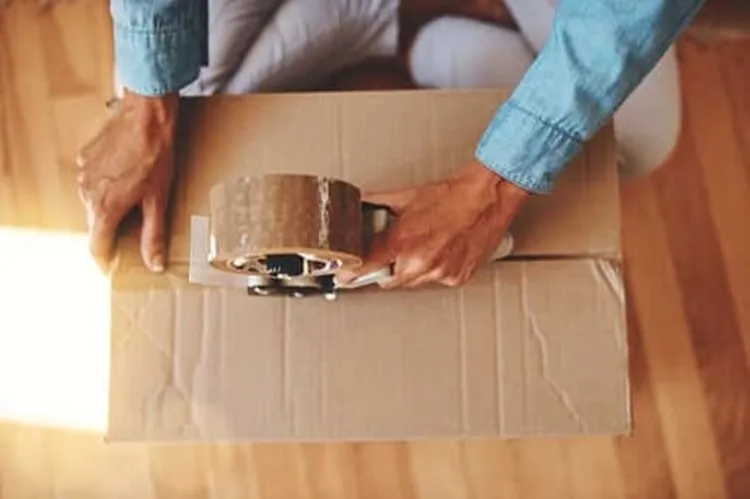



What factors affect the timeline for a move?
Your moving timeline depends on factors like the size of your home, how much you have to pack and the distance of your move.
Home size and volume of belongings
The larger your house and the more belongings you have, the longer it will take you to pack and move. Zach Freeman, CEO of Veterans Moving America, told us, “A 3,000 square foot house might take six to eight hours for a four- or five-person crew to move, whereas a 1,200 square foot house may only take a three-person crew three to four hours.”
Here are some additional factors that can extend packing times:
- Storage areas: Don’t forget that items in attics, basements and garages will need to be packed too.
- Organization level: A cluttered house adds time to your move. Unorganized packing or unlabeled boxes can slow unpacking.
- Decluttering needs: You don’t want to waste time packing and moving items you don’t need anymore.
Distance and travel logistics
Moving distance significantly affects your overall timeline. Long-distance moves require factoring in travel time between homes, including driving time, potential traffic delays, road conditions and construction.
Local moves offer more flexibility because you can make short trips between homes. If you get access to your new place early, you can move small items and boxes in your car before moving day, which shortens the time your movers or rental truck are needed and can lower your overall cost.
Accessibility challenges
Physical obstacles can add hours to your move. “Things like no elevator, long hallways or narrow doorways can slow things down and add to the cost of the move,” Marshall Aikman, cofounder of Amazing Moves Moving & Storage, told us.
Freeman said that accessibility issues “can have significant impacts depending on the situation, but none that can't be mitigated in advance by a quality company.” Several experts we spoke with emphasized the importance of communicating accessibility issues to your moving company in advance.
“However, given that most local moves are charged by the hour, if there are accessibility issues involved in the move, it will simply take more time and/or resources to get the job done, which will increase the amount of time and cost for a move,” Freeman said.
Tell your movers about any of these issues before moving day to prevent accessibility issues from slowing down your move:
- Parking restrictions: Urban areas often have limited parking and typically require permits for moving trucks. Timelines vary according to municipality, but you typically can’t secure a parking permit overnight; you’ll need to apply three to 14 days in advance, depending on where you’re moving.
- Building requirements: Some apartment buildings restrict moving to specific days each month and may require you to reserve a freight elevator or provide a certificate of insurance from your movers.
- Long carries: The distance from where the truck is parked to the door affects efficiency.
Moving timeline
Your moving timeline will depend on many logistical factors, like the size of your home, but every mover we interviewed said the same thing about packing yourself: start as soon as you know you’re moving.
Planning: 6 to 8 weeks
The majority of experts we consulted recommended planning your move six to eight weeks in advance, although a couple of experts said that a move can be coordinated four weeks in advance in a pinch.
Essential tasks that need to take place during the planning phase include:
- Researching and booking movers or a rental truck: Compare quotes from moving companies or reserve a truck early since availability can be limited during busy seasons.
- Creating an inventory: You’ll need an inventory to get a quote from most movers. It’s also important to have records of your valuable items for insurance purposes, though you’ll need to include pictures along with the inventory.
- Researching and booking movers: Be sure to get at least three quotes from moving companies before making a decision.
- Gathering supplies: Getting moving boxes from free sources, like local businesses, can save you money and reduce waste. But for heavy, fragile or expensive items, you may want to buy new boxes from moving companies or home improvement stores.
- Handling paperwork: Transfer your utilities, change your address and set up mail forwarding at the post office. You’ll also need to update your address with your employer.
Packing: 6 to 8 weeks
Start boxing your items as soon as you know you’re moving, especially if you’re packing around a full-time job. Freeman said that packing a few boxes each day works better than trying to rush at the end, and Mast noted that many people assume they can pack a whole home in a weekend, but it typically takes much longer.
You can begin decluttering immediately, selling or throwing away items you don’t use anymore.
Once you get into the main packing stage, most movers said it usually takes several weeks to finish. Aikman told us, “On average, a one-bedroom apartment can be packed in a couple of days, while a three- to four-bedroom house, depending on the amount of belongings, can take a week or more.” Since that week of packing time is spread around work and family schedules, most households end up completing the process over several weeks.
» MORE: How to move in 14 steps
Unpacking: 1 week to 2 months
According to Aikman, “Most people unpack the main items within the first week, but on average, it takes a couple of months to completely unpack.”
Movers say that unpacking often stretches out because people work around jobs, school schedules and family routines. Reassembling furniture, setting up electronics, installing shelves and organizing storage areas all take time, which is why most households finish unpacking gradually over several weeks.
The most optimistic timeline we got was from Mast, who told us, “You should plan for at least one to two weeks to get fully unpacked, depending on how much stuff you have and how motivated you are.” But he said this requires some organization: “I always suggest tackling the essentials (kitchen, bathrooms, bedrooms) in the first two to three days, then pace yourself with the rest.”
Sample timeline for packing a 3-bedroom home
Based on guidance from our moving experts, here’s a sample timeline to help you stay organized while you pack.
6 to 8 weeks out
- Once you’ve rented a truck, start decluttering room by room
- Donate, sell or throw away anything you won’t take with you
- Begin packing seasonal items, books, décor and anything you don’t use daily
- Buy packing supplies or ask your mover whether they have taping or labeling instructions
4 weeks out
- Pack all nonessential items in bedrooms, closets, living areas and the garage
- Disassemble small furniture you don’t need before the move
- Label boxes clearly by room and contents to make unpacking easier
- Pack seasonal or rarely used kitchenware
- Set aside a “do not pack yet” area for daily-use items
2 weeks out
- Pack most of the kitchen, except for daily necessities
- Pack extra linens, office supplies, toys and bathroom cabinets
- Continue packing a few boxes each night to stay on pace
- Begin staging boxes in a central area to make moving day go faster
1 week out
- Pack everything except essentials for the final days
- Unplug and prep appliances (dry out the fridge, disconnect hoses, remove water lines)
- Remove TVs from walls, since movers usually don’t do this for you
- Pack an overnight bag with toiletries, medications and enough clothes for the first couple of days
- Prepare an essentials box with items you’ll need while you’re still unpacking, like your coffee maker
Final 2 to 3 days
- Finish packing any last-minute items
- Make sure your boxes are sealed and labeled
- Keep important documents and sentimental valuables with you instead of in the truck
- Do a final walk-through to make sure nothing is left unpacked
Moving day timeline
Most movers told us that a standard local move can be completed in a single day if everything is boxed and ready before the crew arrives. Nick Friedman, cofounder of College HUNKS Hauling Junk & Moving, estimated that local moves under 50 miles usually take “one day for loading, transport and unloading, if you’re fully prepped.” He said that long-distance moves can “take two to five days, including packing, driving and unloading, depending on distance and crew size.”
Practices vary between companies, but most movers follow the same general steps on moving day. Crews will begin with a walk-through to confirm what needs to be loaded and check for anything that still needs disassembly.
Loading usually takes the most time, especially if boxes aren’t sealed, appliances aren’t unplugged or TVs are still mounted. Rob Rimeris, founder of EverSafe Moving Co., said, “The biggest moving day delays would include how close the truck can get to the home (causes longer carry times), unplanned disassembly of large items (furniture, entertainment centers, bed frames), last-minute packing, weather conditions and traffic conditions.”
Unloading often goes faster when boxes are labeled clearly and rooms are marked at the new place.
DIY moving vs. hiring professional movers
DIY moves take longer because you’re doing every part yourself, including tasks people often overlook. Rimeris said delays come from things like last-minute packing, unplanned furniture disassembly and long carry distances when a truck can’t park close. Freeman said that unfinished packing is one of the most common reasons moves run over the estimate. When you’re moving on your own, those slowdowns fall directly on you.
Professional movers avoid many of those delays because they arrive with the equipment, crew size and training to handle difficult items and tight spaces. Freeman said specialty pieces like pianos, gun safes and antiques “should be handled with expertise and skill” and often require tools most households don’t have.
Aikman told us professional packers can pack an entire home in a day or two, which is rarely realistic for DIY movers who are also juggling work or childcare. Hamilton added that hired professionals are especially helpful when conditions are difficult, like winter moves or slippery walkways, because they know how to manage safety risks.
» RELATED: Creating a budget for your move
When professional help makes sense
Consider professionals when facing time constraints or physical limitations. A tight schedule, like coordinating with a closing date, can make the speed of a professional crew worth it.
Some people also hire movers when they have health limitations or don’t have enough help available, since moving alone often requires heavy lifting and tasks that need more than one person.
Here are conditions that can make hiring a professional necessary:
- You have heavy or specialty items. Freeman said pianos, gun safes and antiques should be handled by trained crews who have appropriate moving equipment.
- You’re short on time. Aikman said professional packers can pack an entire home in a day or two, which is rarely possible when you’re packing around work or family schedules.
- Your home has access challenges. Long carry distances, narrow doorways and multiple flights of stairs slow down moves. Professionals manage these delays more efficiently.
- You’re facing difficult weather conditions. Adam Hamilton, CEO of REI Hub, told us that winter moves or icy walkways can be dangerous, and hiring movers “can be the best choice” when safety or accessibility is a concern.
- You want help avoiding delays. Freeman said unfinished packing is one of the top reasons moves run long, and professionals prevent many of those slowdowns by arriving with a set system and a full crew.
Moving into an apartment vs. a house
Apartment moves often take extra coordination because of building rules and access issues. Long hallways, narrow doorways and elevators can slow crews down, and several movers noted that apartment buildings may require freight-elevator reservations, certificates of insurance or specific move-in hours. Long carry distances are especially common in apartments, where movers may have to navigate garages, elevators and long hallways to reach the unit.
Houses usually take longer to pack and load simply because there’s more space to empty. Aikman told us a one-bedroom apartment can often be packed in a couple of days, while a three- or four-bedroom house can require a week or more of total packing time. Homes also have garages, attics and outdoor areas that people forget to include, which Mast said can add significant time when those items weren’t factored into the plan.
Tips from experienced movers
We asked our experts what moving tips they give clients based on their experience.
Scheduling your move
“Peak moving season, late spring through summer, is the busiest and most expensive time to move. If you can, try to schedule your move mid-week, mid-month, or during the off-season (October through April). You’ll find better rates, more availability and less stress.”
— Nick Friedman, College HUNKS Hauling Junk & Moving
“I would generally recommend avoiding moving during any holidays. The holidays bring increased travel, which means busier streets.”
— Adam Hamilton, CEO, REI Hub
Packing
“Before you start, speak with your moving team and ask if they have specific instructions for taping or labeling boxes. If boxes aren’t sealed correctly, movers often need to retape them to ensure safety, which adds time and can increase your total cost.”
— Nick Friedman, cofounder, College HUNKS Hauling Junk & Moving
“My recommendation is to pack at least a few boxes every day rather than waiting until the last minute.”
— Zach Freeman, founder and CEO, Veterans Moving America
“People assume they can pack up a house in a weekend, but it usually takes several weeks if you're doing it yourself.”
— Richard Mast, owner, UNITS Moving and Portable Storage of Minneapolis
“Start with the stuff you don’t use every day, like seasonal clothes, books, décor.”
— Richard Mast, UNITS Moving and Portable Storage of Minneapolis
Avoiding delays
“Go a step further by having TVs already removed from walls (most moving companies won’t detach them, and if they do, it’s time-consuming) and ensuring appliances are unplugged, disconnected, and drained in advance. Whenever possible, stack boxes in a room or area close to the main exit or garage so movers can load directly from that spot. For example, if the truck can back right up to the garage and boxes are already staged there, it significantly speeds up loading — saving both time and money.”
— Nick Friedman, College HUNKS Hauling Junk & Moving
“People often forget to allow time for cleaning the old place once it's empty.”
“What most people forget to factor in is everything on the outside — the stuff in the garage, on the porch, or on the patio.”
“One big thing people forget is checking for parking or access restrictions at the new place, especially in urban areas or apartment buildings. You don’t want your moving truck or container arriving with nowhere to go. I’ve seen moves delayed hours just because someone didn’t reserve a spot or check in with the HOA.”
— Richard Mast, UNITS Moving and Portable Storage of Minneapolis
FAQ
How long does it usually take to move a house?
Moving a three-bedroom house typically takes about seven weeks to two months if you're packing yourself, since most households need several weeks to prep, declutter and box up everything.
Professional movers can pack a full home in one to two days, and loading usually takes four to six hours. Hauling ranges from a single day for local moves to two to five days for long-distance moves.
How long does it take to move your stuff into an apartment?
Most movers told us that loading a typical apartment can take just a few hours when everything is boxed and ready. Friedman said local moves under 50 miles are usually finished in one day, since crews can load, transport and unload in a single trip.
Unpacking essentials takes the first two or three days, and full unpacking often stretches into several weeks, depending on your schedule.
How long on average does it take to move out?
Experts said moving out usually takes a full day for a local move, as long as everything is packed before the crew arrives. Rimeris noted that delays happen when boxes aren’t sealed, appliances aren’t unplugged or large items still need disassembly. If you’re packing yourself, most movers said it takes three to four weeks to box up a full home when working around jobs or family schedules.
How long does it take to move long-distance?
A full-service crew can perform a long-distance move in two to five days.
How long does it take to unpack after a move?
It usually takes about one week to unpack essentials yourself, but the entire process can take up to two months, especially if you’re working or taking care of children during that time.
But if you’re organized — decluttering, labeling boxes, planning where objects will go ahead of time and organizing your boxes by room — Mast estimated you could be unpacked in two to three weeks.
What should you pack first when moving?
Start with nonessential items, like books, DVDs, household decor and knickknacks. Next, pack any clothing that is out of season. Then start boxing rarely used kitchen items.
Article sources
ConsumerAffairs writers primarily rely on government data, industry experts and original research from other reputable publications to inform their work. Specific sources for this article include:
- HireAHelper, “Moving Permits 101: How to Get a Parking Permit for Moving.” Accessed November 23, 2025.
- Seattle Department of Transportation, “Temporary No Parking Permits.” Accessed November 23, 2025.