
Compare our picks for water leak detectors
Any good water leak detector helps catch small leaks before they cause significant damage. Automatic shut-off features are best if you want to instantly cut your water source at the first sign of a leak, and temperature sensors are a good idea if you live in an area where pipes are prone to freezing.
Compare our picks for the best water leak detectors:
| Water leak detector | Temperature sensor | Typical battery life | Cost |
|---|---|---|---|
| Honeywell Resideo Wi-Fi Water Leak Detector | 3 years | $104.99 | |
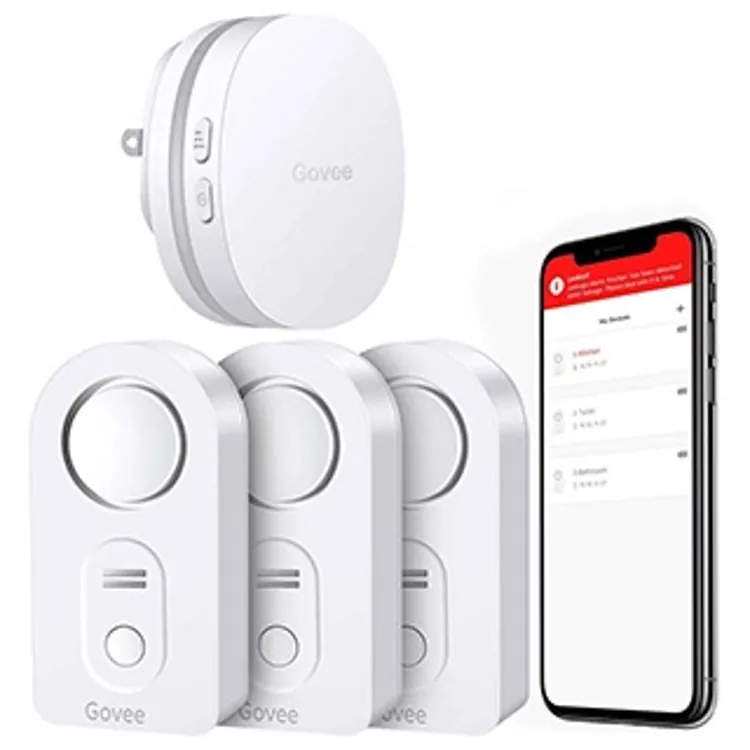
| Govee WiFi Water Leak Detector | 2 years | $34.99 | |
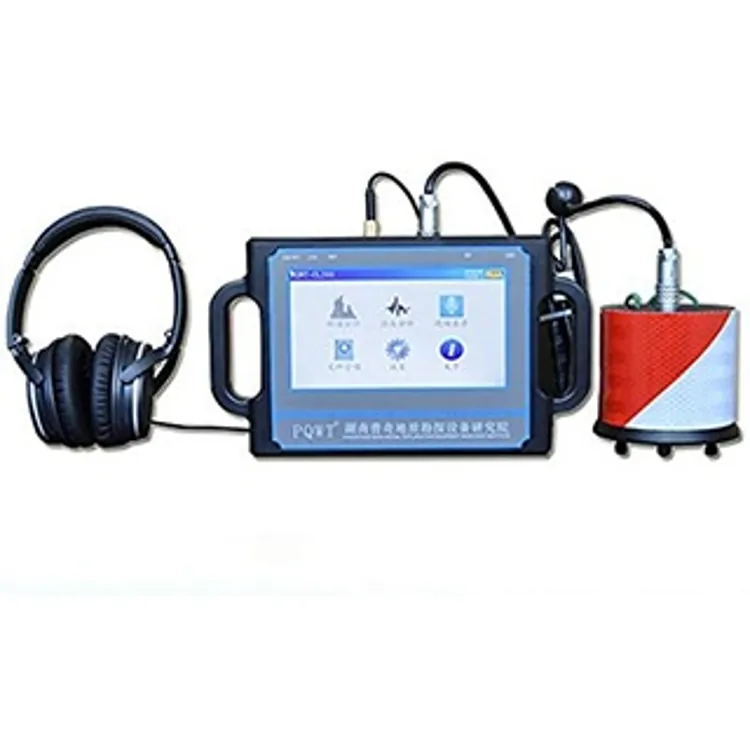
| PQWT CL200 Water Leak Detector | 2 years | $1,127.99 |
Our top picks for water leak detectors
The best water leak detectors trigger a high-decibel alarm, send notifications to your smart devices and automatically shut off water to prevent damage. To pick the best water leak detectors, we considered essential water detection technology, alert types, price and customer reviews. All prices and information are accurate as of Feb. 25, 2026.
Our top picks for water leak detectors:
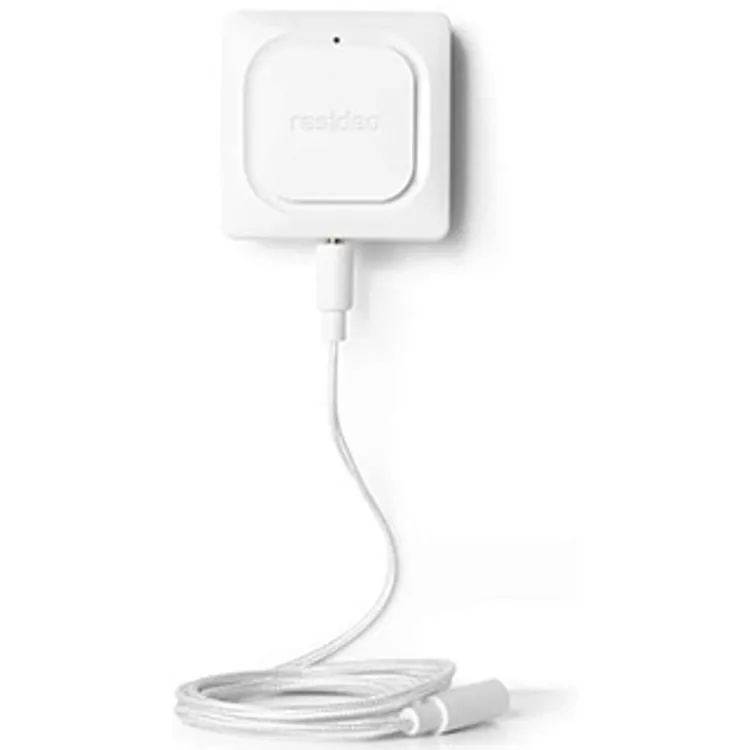
Honeywell Resideo Wi-Fi Water Leak Detector
Govee WiFi Water Leak Detector
PQWT CL200 Water Leak Detector
How does a leak detector work?
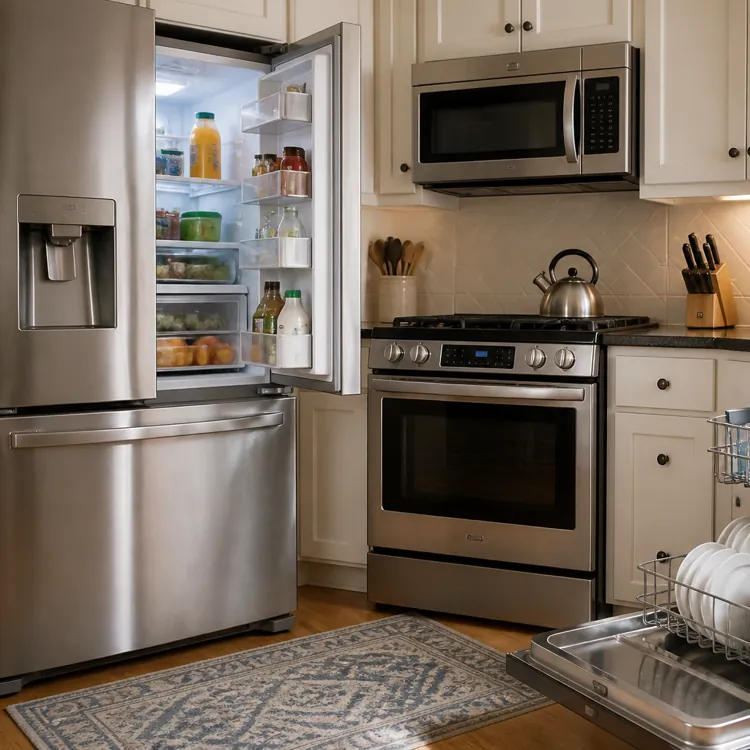
Water sensors detect and prevent excess moisture and flooding caused by broken pipes and faulty appliances. A leak detection system typically has sensors, shut-off valves and a centralized hub. The sensors are placed in areas where leaks are common, such as near faucets and beneath water heaters.
Water leak damage can cost homeowners thousands of dollars in repairs.
Home leak detector systems trigger an alarm if they detect moisture. Some leak detectors also monitor for changes in acoustics. Since all leaks create soundwaves, a detector can gauge the severity of a leak by the frequency it produces.
Many modern detectors combine moisture sensors and leak detection to automatically shut off valves to prevent you from coming home to a big, watery mess. Automatic shut-off valves are typically installed near your water main and cut off the flow if the detector senses moisture or irregular pressure.
Water leak detector benefits
A water leak detector comes with many health, safety and cost benefits.
Prevent costly repairs
A small leak can be fixed quickly and inexpensively compared with an undetected leak, which often leads to costly emergency repairs. An after-hours call for an emergency plumber can be avoided if you discover a leak as soon as it occurs.
Protect your home
Water leak detectors can prevent damage to your furniture, walls, floors, carpets, electronics and belongings. Without a detector, you might not notice a leak until the damage is apparent due to strange odors, wall discoloration or sagging ceilings.
Avoid safety risks
Foundation or plumbing leaks can cause flooding in your basement. If the water rises high enough to interact with electrical appliances or wall outlets, it can carry these currents over long distances. Homeowners risk electrocution by rushing to save items from water damage, and flooding can pose a fire risk if light fixtures or electrical wiring get wet.
Lower insurance premiums
If you've had leaks or flooding in your home before, your insurance provider may increase your premiums. Many homeowners insurance companies offer a discount for those who proactively install water leak detectors in their houses.
Reduce utility bills
An unexpected hike in your water bill is a good indicator of a leak in your home. Water leak detectors alert you to wasted water before you get an unusually high utility bill.
Remote monitoring
If a leak happens while you're away, the water could cause significant damage before you return. Remote monitoring lets you check in on your water levels from anywhere and gives you quick and easy access to your shut-off valves and sensors in the event of an emergency.
» MORE: Home warranty vs. home insurance
How to choose a water leak detector
Even budget leak detectors should be easy to install and have a loud alarm. It’s a good idea to look for a detector with a 70- to 100-decibel alarm, but you may want one that’s even louder if you have trouble hearing. For context, the typical smoke alarm is around 90 decibels.
Many of the best water leak detectors include components like smart integrations, automatic shut-off and temperature sensors. Other features to look for include expandability, extended battery life, freeze sensors, plug-in sensors, easy installation and lights.
Expandability
Water leaks don't just happen in one area. A system with options to expand the coverage area, add more sensors and include cable extenders helps you protect more ground.
Basic water sensors only alert you if the primary sensor detects water, but having multiple plug-in sensors is typically more cost-effective than buying different leak detection systems for the various areas of your home.
Extended battery life
Most smart leak detectors plug directly into an outlet and come with a backup battery that keeps the device powered when utilities are down.
Water-related emergencies and leaks often happen when the power goes off, so it’s a good idea to invest in a smart water leak detector with extended battery life. Some batteries can last up to 10 years.
Freeze sensors
Low temperatures can cause plumbing fixtures and pipes to freeze. When pipes freeze, they expand, and when they expand, they can burst, resulting in a cold, expensive and overwhelming mess.
If you live in an area where frozen pipes are common, consider investing in a system that detects and alerts you to freezing temperatures.
Plug-in sensors
Basic water sensors alert you only if the primary sensor detects water, but systems with multiple plug-in sensors let you widen your coverage area. Plug-in sensors help cover more ground and monitor more space.
Easy installation
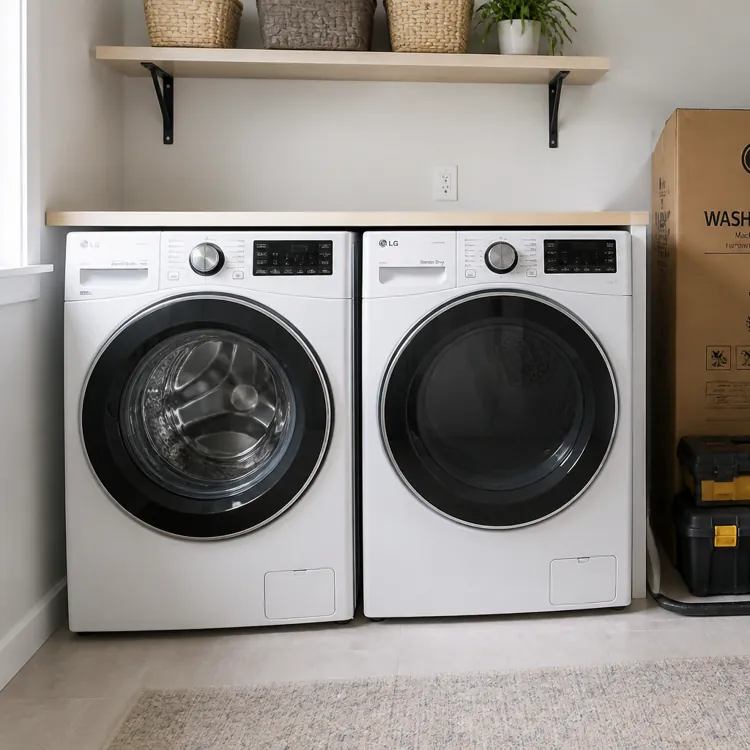
Most water leak detectors are easy to install and typically take less than an hour to put in place. You can put battery-powered leak sensors anywhere susceptible to water damage, including pipes, sump pumps, washing machines and toilets.
Sometimes water leak detector installation requires a Wi-Fi or Bluetooth connection. A plumber may need to help if you have a more advanced system with automatic shut-off features.
Lights
Look for LED lights that blink or flash when the device detects a leak, has a low battery or loses connection. The light also makes it easier to find the unit in dark areas under sinks and in water heater closets.
FAQ
How much does water leak detection cost?
Water leak detector prices vary, but you can find these devices from $10 to $20 up to a few hundred dollars — or you can spend thousands on professional-grade equipment.
How many water leak sensors should I get?
The number of water leak sensors you should get depends on how much space you want to cover. As a general rule, it’s smart to put a sensor under each sink, washing machine, water heater and dishwasher. You may want extra sensors for other high-risk areas. Some leak detector systems can support dozens of sensors, while others are equipped to monitor only a few.
Is a water leak covered by homeowners insurance?
Most home insurance policies cover water damage if the water was unexpected and came from within the home. If the damage is due to neglect, insufficient maintenance or natural causes, you probably won't be covered unless you opted for flood insurance. Installing a detector is a good way to be proactive and prevent damage.
What causes water leaks?
Some of the most common causes of water leaks are loose water connectors, rapid temperature changes, clogged lines, broken seals and corrosion. If you notice your utility bills are rising but can't find a leak in your home, you may have an underground water leak caused by shifting soil, damage from pests or normal wear and tear.
How do you install a water leak detector?
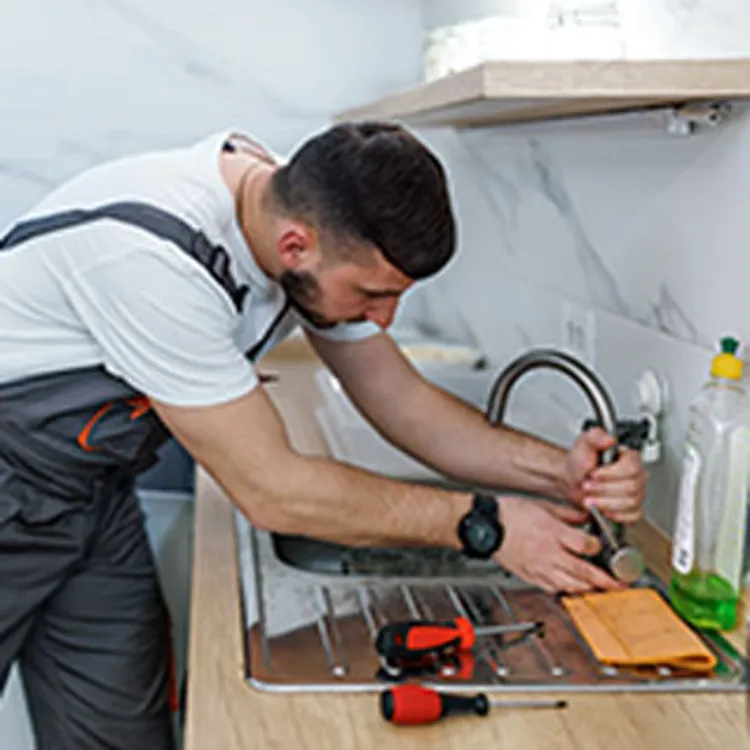
To install a water detection system, you typically place a sensor near any system or appliance that uses water. Integrating a smart water sensor with your devices is often as easy as downloading an app. Some advanced systems require a plumber to sync the sensors and shut-off valve with your water main.
Bottom line
The most significant benefit of investing in a water leak detector is knowing you’re protected from potential water damage, like mold, sagging structures and other foundational issues. Not only can this damage wreck your home, but it can also wreck your wallet if left unchecked.
For instance, Andrea, a reviewer from California, said they had to stay in a hotel for a week while repairs were made due to a water leak in their home. Fortunately, they had renters insurance, so they were able to request reimbursement for their hotel costs.
But if you know your home has plumbing issues, it can be worth buying a leak detector so you’re alerted immediately to any flooding problems. There are plenty of reasonably priced devices (including high-tech models) out there to keep you and your home protected. You might also want to consider adding home warranty coverage to supplement your homeowners insurance.
» MORE: Best home warranty companies
Article sources
ConsumerAffairs writers primarily rely on government data, industry experts and original research from other reputable publications to inform their work. Specific sources for this article include:
- Federal Trade Commission, “Warranties for New Homes.” Accessed Feb. 25, 2026.