
Home warranty frozen pipe coverage
Your home warranty contract may cover frozen pipe repair or replacement. The amount of coverage varies from company to company, so your best bet is to check your contract for details on your coverage. If you do have coverage, the company typically will pay for the parts and labor of any repairs or replacements you need made to the plumbing system.
When looking at frozen pipe coverage, it's important to know the difference between fixing pipes and fixing damage caused by burst pipes.
- Home warranty: Most home warranty plans cover the repair or replacement of pipes that freeze, but only if you have taken steps to prevent the freeze. Warranties rarely cover water damage to things like floors, walls or belongings caused by a burst pipe.
- Example: If a pipe bursts, the warranty may pay for the pipe repair, but not to replace wet drywall or ruined flooring.
- Homeowners insurance comparison: Homeowners insurance often pays for sudden, accidental water damage from burst pipes, including repairs to walls, floors and personal property — if the damage wasn't caused by neglect.
In summary, home warranties usually focus on the plumbing system, while homeowners insurance covers broader water damage to your home and your belongings.
What does a home warranty typically cover?
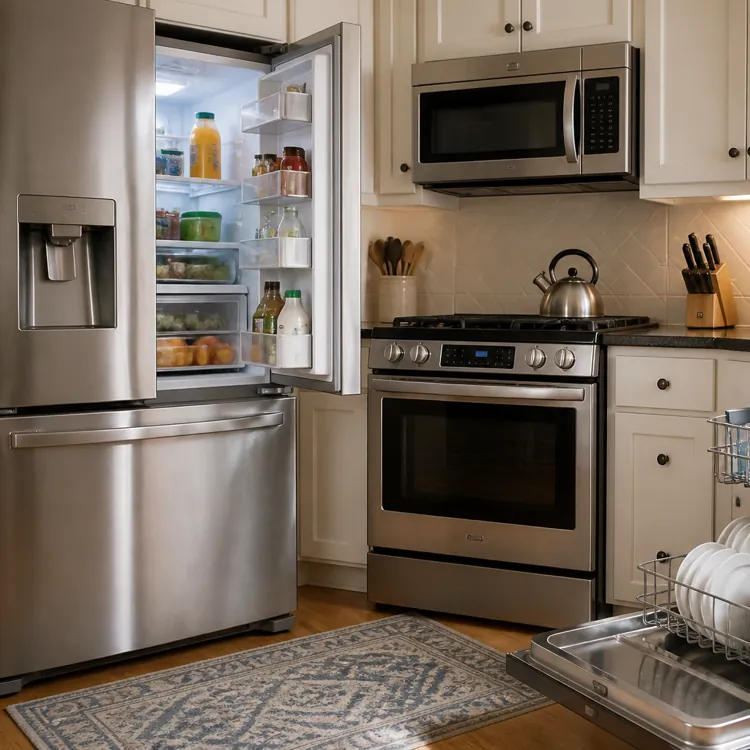
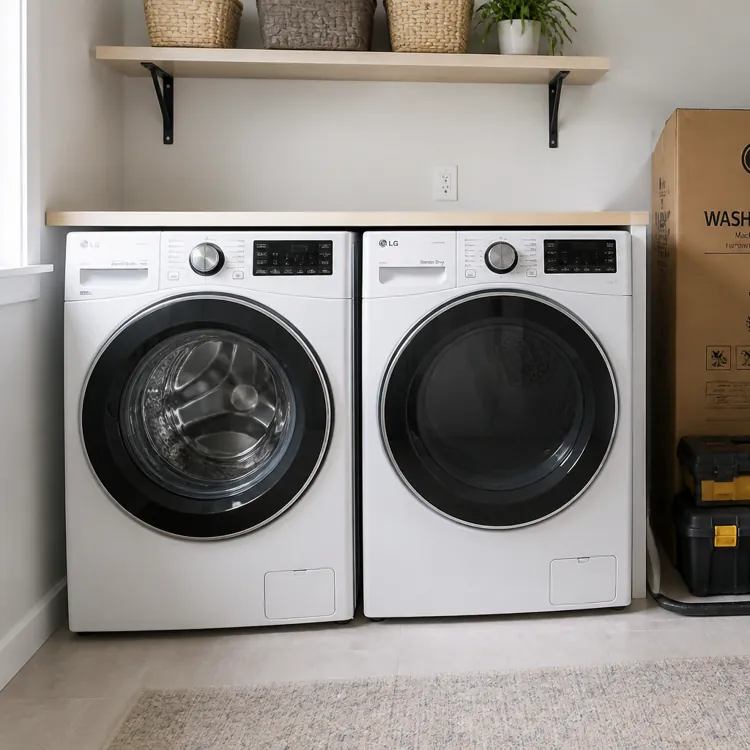
Home warranties usually cover large appliances, built-in microwaves, water heaters and systems like HVACs, plumbing, ductwork, pool heaters and well pumps. Some plans also cover additional items like pest control, septic systems, central vacuums, sump pumps and more.
Frozen pipe warranty coverage exclusions
Even the best home warranty companies include limitations and exclusions in their contracts that could get your claim denied. For example, if your plumbing has signs of problems that occurred before your contract came into effect, the company may deny your claim for frozen pipes.
Coverage often depends on whether you’ve done your part to prevent problems. Most home warranty contracts require you to properly maintain your plumbing system. If you neglect maintenance or don’t take steps to prevent freezing, your claim could be denied.
Typical homeowner responsibilities:
- Keep your home warm during cold weather
- Insulate exposed pipes, especially in basements, crawl spaces or attics
- Drain outdoor hose bibs and shut off external water lines before winter
- Fix small leaks or plumbing issues quickly
- Follow recommendations for pipe care
If you file a claim for frozen pipes, the company may ask for proof that you took these steps (like heating bills or photos). Not showing proof of maintenance can result in your claim being denied.
Coverage caps
Some home warranty companies also limit the amount of the repair they cover. You are responsible for paying for anything left over after the plumbing repair or replacement. For example, if your plumbing repair costs $5,000 and your plan has a $3,000 plumbing cap, you’d have to pay the leftover $2,000.
Home warranty claim process for frozen pipe repairs
If your pipes freeze and you need to file a home warranty claim, it’s important to act quickly to prevent further damage and make sure you follow the proper steps. Here’s a general process to guide you through filing a claim:
- Turn off the water supply to prevent additional leaks or damage.
- Document the damage with photos and videos of the frozen or burst pipes, as well as any surrounding areas affected.
- Review your home warranty contract to confirm coverage and understand any limits or exclusions.
- Contact your home warranty company as soon as possible to report the issue and initiate the claim process.
- Provide proof of maintenance, such as heating bills, receipts or photos, if requested by the company.
- Schedule a service appointment with the contractor your warranty company assigns to assess and repair the damage.
- Keep records of all communication, including emails, receipts and notes about conversations with contractors or representatives.
- Pay any applicable service fees or costs beyond your plan’s coverage limits.
What to do if your home warranty doesn’t cover frozen pipes
If your home warranty doesn't cover frozen pipes, here are some steps you can take. First, consider additional coverage. While your current home warranty may not cover frozen pipes, you can explore options to add coverage for plumbing issues or upgrade to a plan that includes coverage.
Second, review your home insurance policy to see if frozen pipe damage is covered. Depending on your policy, you may be able to file a claim for repairs or replacements related to frozen pipes.
Choosing a home warranty for frozen pipe coverage
Selecting the right home warranty provider is essential if you live in an area prone to freezing temperatures. Consider the following factors when choosing a plan:
- Coverage specifics: Make sure the plan explicitly includes frozen pipe repair and understand any related exclusions.
- Coverage caps: Compare the maximum amounts companies will pay for plumbing repairs and ensure they are sufficient for potential issues.
- Preventative requirements: Some companies require proof of maintenance or specific preventative steps. Choose a plan with requirements you can realistically meet.
- Service fee amounts: Evaluate the service call fees, as these can add up, especially during winter months.
- Reputation and reviews: Research customer reviews and ratings to find a company known for reliable service and fast response times.
- Additional coverage options: Look into add-ons or upgrades that expand protection for plumbing systems and winter-related issues.
By carefully comparing these factors, you can select a home warranty plan that offers the right balance of coverage, cost and peace of mind.
FAQ
Does homeowners insurance cover frozen water pipes?
Yes, homeowners insurance will often cover damage to frozen water pipes.
What happens if my pipes freeze in my house?
First, turn off your home’s water, and when the pipes defrost, you may have a massive leak on your hands. Next, call your homeowner’s insurance or home warranty company to see if repairs are covered under your policy.
How can I prevent pipes from freezing in the winter?
Insulate exposed pipes, keep the heat on even when you’re away, let faucets drip during extreme cold and seal gaps near pipes. Check basements, attics and exterior walls regularly.
Bottom line
Home warranty coverage for frozen pipes can vary depending on your policy's specific terms and conditions and the provider you choose. Some home warranty plans may cover certain aspects of frozen pipe damage, such as repairing or replacing affected plumbing components.
However, it's important to review your home warranty contract carefully to understand the extent of coverage for frozen pipes and any limitations or exclusions that may apply.
Article sources
ConsumerAffairs writers primarily rely on government data, industry experts and original research from other reputable publications to inform their work. Specific sources for this article include:
- Government of the District of Columbia, “If My Frozen Pipes Burst, Am I Covered by Insurance?” Accessed Sept. 18, 2025.