

When a home security system is worth it
Home security systems are often worth the cost. Benefits include peace of mind, convenience, lower insurance rates and early warnings for environmental hazards. Still, some homeowners find that the costs outweigh actual benefits.
Benefits of home security systems
With 1,117,696 burglaries a year, you might want to consider home security, whether a DIY or professional system and whether you own your home or rent an apartment.
- Deterrence: Most criminals look for easy targets. The vast majority (83%) of burglars interviewed said they check for alarm systems before deciding whether to continue a burglary attempt.
- Emergency events: Beyond intrusion detection, home security systems integrated with smoke alarms deliver early warnings for fires. Timely alerts protect property and, in some cases, save pets.
- Environmental hazards: Many modern home security systems provide environmental monitoring features, such as carbon monoxide detection, adding another layer of safety.
- Evidence: When deterrence fails, security cameras collect valuable evidence — photos, video, audio — to help solve and prosecute crimes.
- Remote access and monitoring: Video doorbells, remote access and other smart home features allow for conversations with visitors and entry for repair people when no one is home.
- Reduced insurance costs: Many insurance companies provide discounts for homes equipped with security systems. Discount amounts vary according to insurer, system type and monitoring arrangements, but typical savings are approximately 15%.
- Peace of mind: Research indicates nearly half of homeowners purchase security systems primarily for peace of mind rather than crime deterrence alone. Additionally, 84% report increased feelings of safety when neighbors also have security systems.
Key factors to consider if a security system is worth it
In spite of all of the home security benefits, it’s still best to examine your specific situation before deciding if one is right for you.
Factors to consider include:
- Local crime rate: If you live in a high-crime area, a security system is generally more important than in areas with lower crime risks.
- Travel frequency: If you travel frequently and your home is often empty, a security system can help reduce its attractiveness to criminals.
- Work schedule: If you work from home, you may have fewer security concerns since you’re around most of the day. If you work long hours away from home, a security system may be more desirable.
- Valuables: If you have significant valuables in the home, such as jewelry, art or collectibles, a security system may be a good investment.
- Neighbors' properties: The size and condition of your neighbors’ properties can affect your security. A large estate can make thieves think you have more valuables than you do. Overgrown properties may give cover for a thief to approach your home unnoticed.
- Alternative security: External security measures, such as a gated community or a neighborhood watch program, may reduce your need for an individual security system.
- Risk tolerance: Risk tolerance refers to your comfort level without a security system. The answer is highly personal and may change over time.
- Budget: Whether you have the funds for the initial purchase and ongoing monitoring often influences the type of security cameras (if any) you purchase. There are some great, inexpensive home security systems worth considering when budgets are tight.
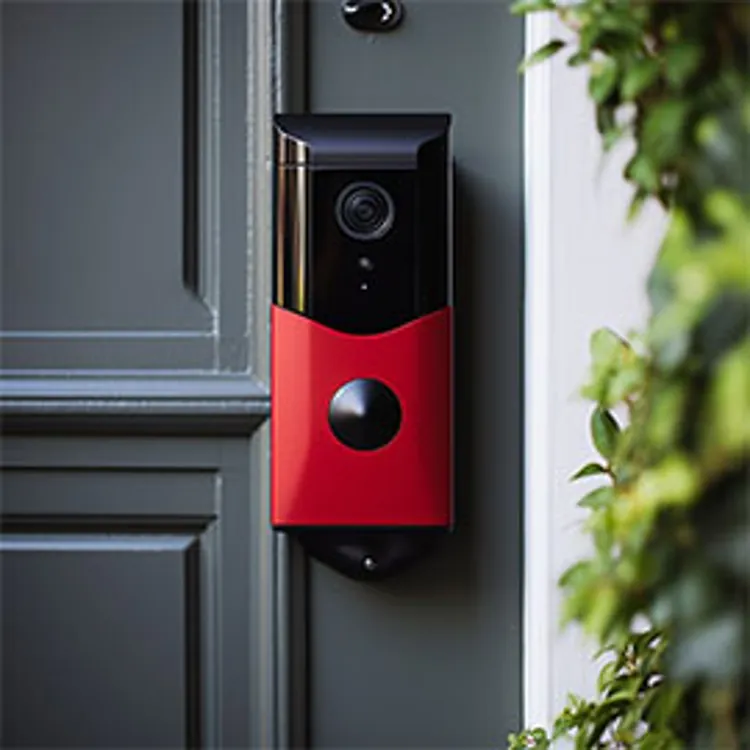
Some burglars ring doorbells to see if anyone is home, so video doorbells with remote access may be worth the investment.
Times when a security system might not be worth it
While 72% of U.S. homeowners have some form of security system, it might not be worth it for you. Reasons a home security system might not make sense include budget constraints, privacy concerns, property value, low crime rates, alternative security measures, your lifestyle and a higher risk tolerance.
For example, some homes are partially secured by third-party measures, such as gated communities, access-controlled buildings and strong neighborhood watch programs. Working from home also keeps the property occupied, reducing the risk of break-ins.
» MORE: Best home security systems
Home security costs vs. potential savings
Home security ranges from simple $20 cameras to systems costing thousands for equipment and monitoring. However, insurance discounts and the avoidance of burglary losses offset many costs.
Costs vs. savings of security systems
Much like insurance, the cost vs. savings of security systems centers on preventing losses. But, there are upfront savings available from homeowners and renters insurance policies.
| Costs | | Savings | |
|---|---|---|---|
| Upfront costs (equipment, installation, activation) | Cameras may start around $20, but full systems easily cost over $1,000 plus installation and activation fees. | Loss prevention | Average burglary losses cost homeowners $2,661 per incident, so loss-prevention savings are significant. |
| Monitoring | Self-monitoring can be free or cost $10 or more monthly for data plans. Professional monitoring can cost up to $70 monthly. | Insurance savings | Many renters and homeowners insurance plans offer discounts (usually between 5% and 15%, with home security systems). Requirements, such as professional monitoring or the number of cameras, varies. |
| Loss of privacy/safety concerns | Hacking incidents have led to threats issued through security cameras, ransom demands and stolen private footage. | Property damage prevention | Some systems offer extras. For example, leak detection sensors can save you thousands by notifying you before water damage occurs. |
Hidden costs of security systems
The cost of a home security system may seem reasonable up front, but the initial price is only the beginning.
- Monitoring costs: Ongoing monitoring costs are the most common hidden cost that can catch you off guard. Even DIY cameras often include ongoing fees for live video and alert features.
- Long-term commitments: For professionally installed systems, the contract often includes a three-year or longer monitoring commitment, with fees for early cancellation.
- Fines: To combat false alarms, many cities impose fines for repeated false alarms — including burglary and fire alarms.
- False sense of security: A false sense of security from having a system sometimes leads to leaving doors unlocked and other unsafe practices.
- Anxiety: Having a security system may cause anxiety and promote feelings of being watched.
Home security effectiveness against burglaries
Evaluate the effectiveness of home security systems against crime by comparing total costs to real-world results. Knowing how a security system functions and criminal perceptions about (and potential strategies against) a system can help you make an informed decision.
Do home security systems prevent crime?
Home security systems are effective crime deterrents. A UNC Charlotte study found that 60% of burglars will look elsewhere if an alarm is present. A Rutgers University study found that any home security systems in a neighborhood can reduce crime in the surrounding area.
Can home security cameras stop break-ins?
Home security systems can't physically stop crime, but they reduce your risk. Visible units and motion-activated lights work best at stopping break-ins. Video evidence aids in catching and prosecuting burglars.
Response times and monitoring limits
Fast emergency response is crucial. Some monitoring services call you first to check for a false alarm. While the extra step is generally necessary, it delays notification to emergency services.
That said, 24/7 call centers give homeowners the freedom to step away from self-monitoring duties, which improves overall emergency response times.
False alarms and user errors
User errors and false alarms reduce security system effectiveness. False alarms cause a severe drain on emergency service resources, drastically slowing response times.
For example, 98% of police alarm responses are unnecessary. User errors, including not closing doors properly, forgetting to set (or disable) alarms or entering a wrong PIN, are frequently the cause.
Some criminals know repeated alarms may lead owners to disable systems. They will trip an alarm several times in one night, then wait for the opportunity to enter the property.
Home security system options and features
Home security options range from single smart doorbells to full, professionally installed systems with glass-break alarms and smart home integration. It’s important to match the system to your needs.
Types of home security systems
There are four main categories of home security systems. These are:
Unmonitored local alarms
Similar to a car alarm, when an intrusion is detected, a loud alarm sounds to deter intruders. Unfortunately, these alarms can cause complaints or fines in residential communities.
Smart home systems
Some smart home systems include security cameras that integrate with the rest of the smart home.
Self-monitored security
Security cameras and devices are not connected to external monitoring. Instead, owners are responsible for calling the police or emergency services. These can be DIY or professionally installed.
Professionally monitored security
Generally a turnkey system, these are professionally installed and monitored by a third-party call center that notifies owners and emergency services in case of an incident. Equipment varies between purchased and leased.
DIY vs. professional security installation
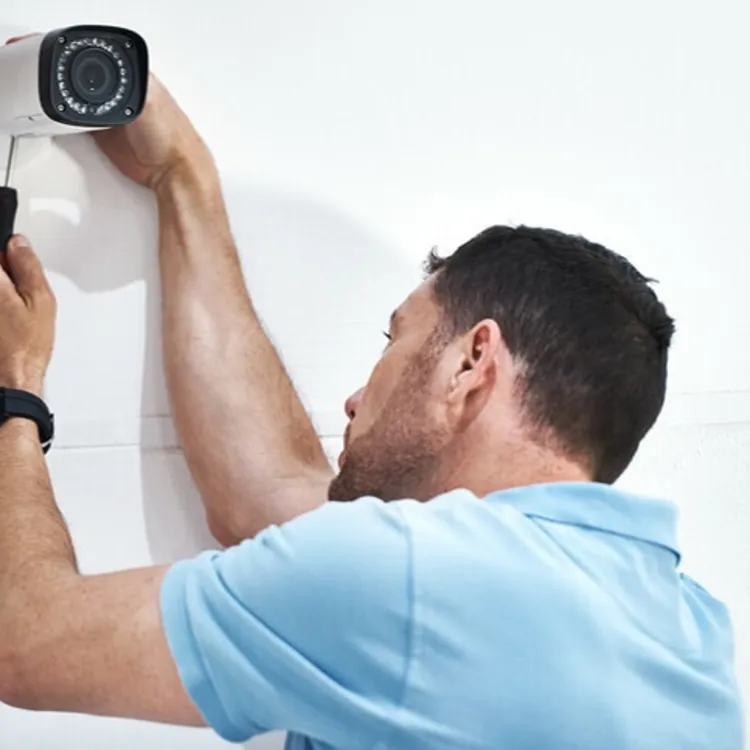
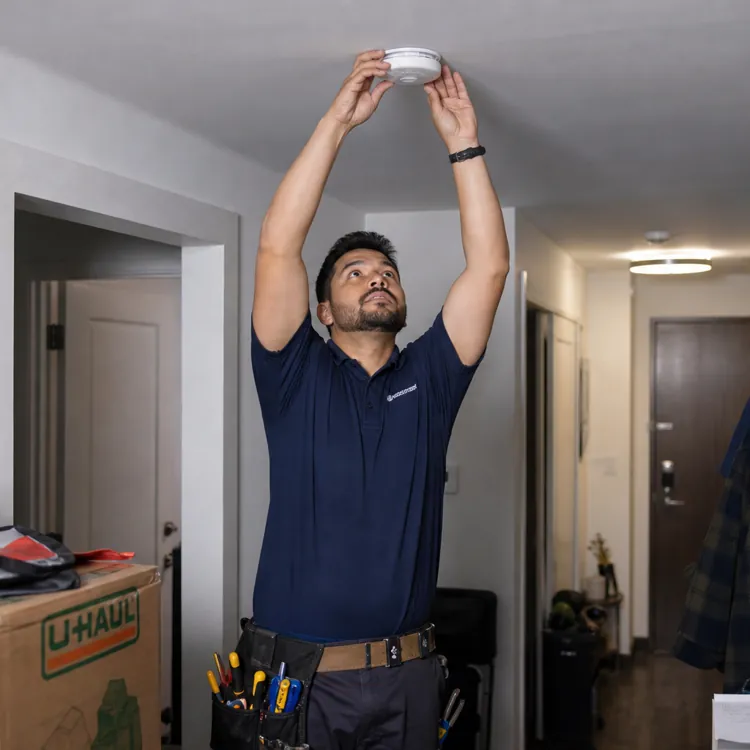
Self-installed security often feels like a savings measure to avoid installation charges, but professionally installed systems offer extras like warranties — and come with less hassle.
| Self-installed | Professionally installed | |
|---|---|---|
| Upfront cost | Averages $50 to $200 per camera | Average ranges from $100 to $2,000 for equipment, plus $100 to $200 for installation |
| Equipment | Owned by the homeowner | Varies by contract, but own and lease options are often available |
| Ongoing cost | Varies by equipment and monitoring; free to $20 monthly is common | Averages between $20 and $60 |
| Customization | Nearly limitless, with caps only on the homeowner's skill and budget | Limited by provider packages and upgrade options |
| Homeowner skills required | Varies from basic hand-tool use to advanced wiring and electronics | None for installation |
Self-monitored vs. professionally monitored security
Self-monitored security and professionally monitored systems vary in cost, alert types, monitoring hours and emergency response times.
| Self-monitored | Professionally monitored | |
|---|---|---|
| Monthly cost | Free to $20 monthly for data is common, but can vary | Averages between $20 and $60 |
| Alerts | Set by the homeowner, but is often limited to motion detection, depending on the system | Varies by system and plan, but can include arm/disarm, low-battery, fire, carbon monoxide, motion, intrusion and medic alerts |
| Who responds to alerts | The homeowner is responsible for responding to alerts and calling emergency services if necessary | Varies by alert type. For intrusion detection, fire and medical alerts, the monitoring company often attempts to reach you before calling emergency services |
| Monitoring | Dependent on the homeowner's schedule | Generally 24/7 |
| Best for | Homeowners and renters with less complicated systems | Homeowners with complex systems and busy schedules |
Matching system features to your security needs
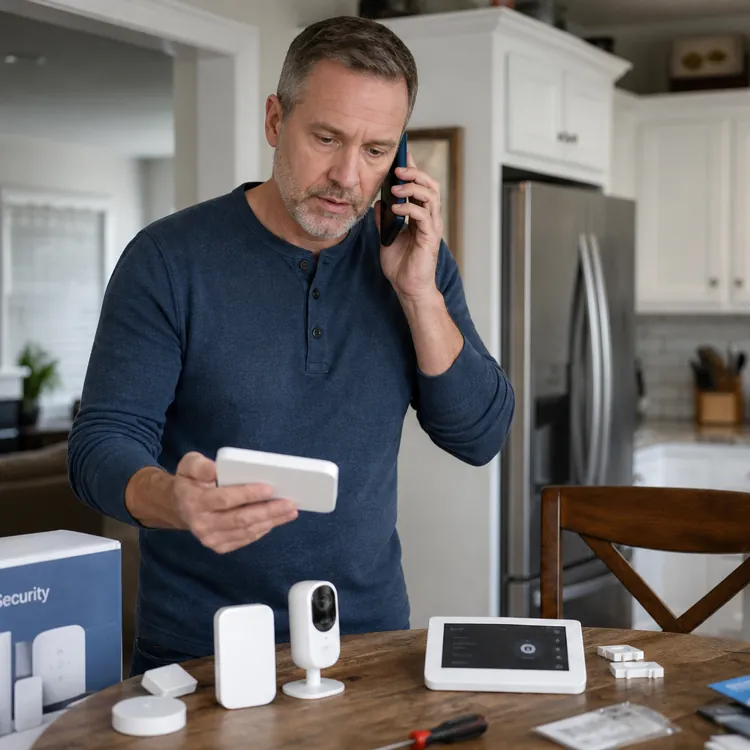
There is no one-size-fits-all home security system. You may need a top-of-the-line professionally installed and monitored system or only a smart doorbell. Ask specific questions of home security companies to help match your needs to the best system for your home.
| Security system component/feature | Details | Common uses |
|---|---|---|
| Control panel | A central device that connects multiple security components | Complex systems and smart home units |
| Security app | A smartphone app that allows control and monitoring of security cameras | Self-monitoring of video doorbells and simple systems with only a few cameras |
| Monitoring | Systems are generally self-monitored or monitored by third parties (third-party monitoring has monthly fees) | Self-monitored systems are dependent on homeowner attention, while response center monitoring provides 24/7 coverage |
| Smart doorbell | A doorbell with video and often two-way communication capability | Popular for catching porch pirates and pre-screening visitors |
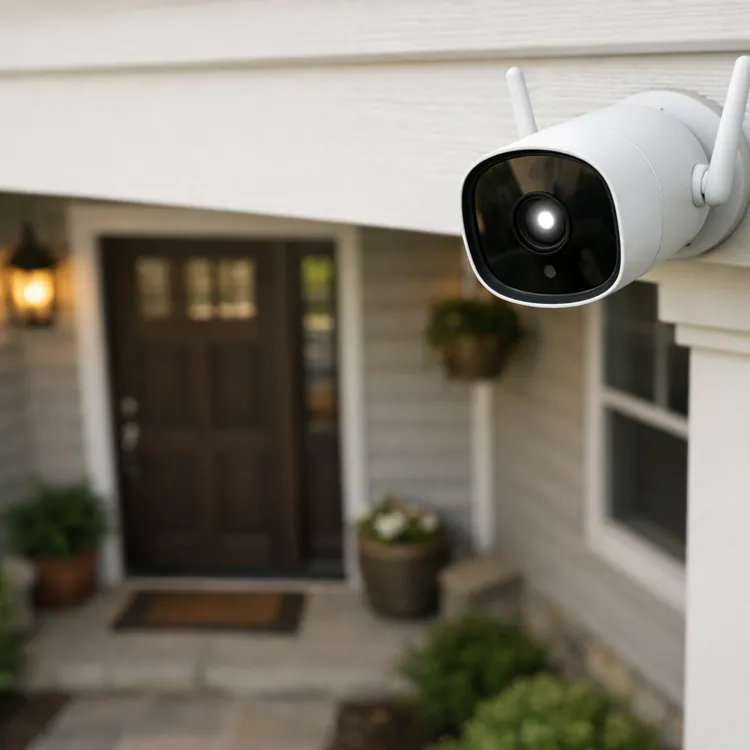
| Security cameras | An indoor or outdoor video camera, hard-wired or wireless, that often comes with motion detection and other features | Recommended for entryways and home common areas. Cornerstone of most home security systems |
| Door and window sensors | Devices that monitor when a door or window opens; no video recording | Sometimes used to trigger audible alarms; popular for homes with small children, autistic or elderly individuals, where location awareness is critical. Most common with professionally installed and monitored systems |
| Glass break sensors | Devices that sense broken windows, even if the window frame does not move to trigger an open sensor | Common for large windows that don’t normally open, often triggering audible alarms |
| Environmental sensors | Sensors for smoke, carbon monoxide and/or water leaks that are connected to a security system | Most common with professionally installed and monitored systems |
| Data storage | Systems often offer local storage (thumb drives) or cloud storage via an internet connection (wired or wireless) | Cloud storage is most popular, but can come with additional costs; local storage generally doesn’t require a monthly plan |
FAQ
What security system do burglars hate?
Burglars hate any actively monitored and visible security system. Any brand differences would be more about the response speeds than anything else.
Does home insurance go down if you have a security system?
Most homeowners' and renters' insurance companies offer discounts for active security systems.
What is the truth about home security systems?
Home security systems generally need a visible unit to be the most effective. Home security systems are primarily deterrents and do not physically stop break-ins.
How do home security systems work?
Home security systems primarily work by deterring criminals. Systems use video and motion detection units that send alerts of activity to homeowners or monitoring companies. Whoever monitors the system then requests emergency services as needed.
Bottom line: Is home security worth it?
Home security systems are generally worth the investment for most households. They deter crime, provide peace of mind and can lower insurance costs. However, the decision depends on your unique circumstances like local crime rates, your budget and personal risk tolerance. If you live in a gated community or work from home, there may be no need to invest in home security.
Carefully weigh the costs and benefits to determine if home security is the right choice for you.
Article sources
ConsumerAffairs writers primarily rely on government data, industry experts and original research from other reputable publications to inform their work. Specific sources for this article include:
- Federal Bureau of Investigation, "Burglary." Accessed April 22, 2026.
- ScienceDaily, "Through the Eyes of a Burglar: Study Provides Insights on Habits and Motivations, Importance of Security." Accessed April 22, 2026.
- National Center for Biotechnology Information, National Library of Medicine, "Exploring the Impact of Security Technologies on Mental Health: A Comprehensive Review." Accessed April 22, 2026.
- Palo Alto Online, "Police Warn About Doorbell-ring Burglaries." Accessed April 22, 2026.
- ABC News, "Ring Security Camera Hacks See Homeowners Subjected to Racial Abuse, Ransom Demands." Accessed April 22, 2026.
- Rutgers, The State University of New Jersey, "Rutgers Study Finds Alarm Systems Are Valuable Crime Fighting Tool." Accessed April 22, 2026.
- Office of Justice Programs, United States Department of Justice, "False Alarms: Cause for Alarm." Accessed April 22, 2026.
- Arizona State University Center for Problem-Oriented Policing, "False Burglar Alarms, 2nd Edition." Accessed April 22, 2026.
- EPS Security, "What Causes Security System False Alarms—and How to Prevent Them." Accessed April 22, 2026.