

Pros of home security systems
Home security systems offer crime deterrence, peace of mind, insurance savings and convenience features.
Potential savings and insurance discounts
Home security systems offer potential and concrete savings.
Much like having car and home insurance, home security systems help to prevent large losses. And your overall potential savings for having a security system can add up fast, according to industry statistics. Plus, there are up-front savings from home insurance premium discounts.
Common savings for home security systems include:
- Cost per loss: The FBI calculates the average property loss per burglary at $2,661.
- Emotional costs: Cambridge University found that quality of life losses in the U.S. total $1.95 trillion.
- Environmental damage savings: Home security systems with environmental monitors, such as fire and leak sensors, offer large potential savings. Water damage restoration can cost upwards of $6,000 per incident, and residential fires cause over $11 billion in losses annually.
- Discounts: Many home insurance companies offer discounts between 5% and 15% with qualifying home security systems.
Deterrence and faster response times
Visible security systems are effective crime deterrents. One survey of convicted burglars found that 60% looked for other targets when they saw security cameras or other evidence of security, such as yard signs.
That protective effect is cumulative as well: Studies show that neighborhoods with high rates of security systems are safer overall, even for homes without security. However, it is worth noting that criminals are well aware of fake yard signs and can easily spot them.
Professional monitoring also contributes to faster response times, reducing the time criminals have to steal and cause damage, while also increasing the likelihood of arrests.
Environmental hazard monitoring
Many home security systems tie into smart home controls or at least offer additional environmental hazard sensors. Smoke, carbon monoxide, fire, flood/leak and temperature-swing detectors help reduce power bills and save property and lives.
Peace of mind and convenience
Peace of mind and convenience sometimes outweigh the fear of crime.
Most home security systems allow you to check in on your home remotely via live footage. At the same time, smart doorbells and locks often let you grant access to repair personnel without taking time off work.
If you have pets, remote checks can be a lifesaver since they may help you spot pets caught in blinds or other dangerous situations. If your family includes older loved ones with dementia or children with autism and other intellectual disabilities, door open alerts may help prevent dangerous wandering.
» RELATED: Best home security systems
Cons of home security systems
Nothing is perfect, and there are drawbacks to security systems. Privacy, continuing monthly fees, long-term contracts, false alarms and maintenance concerns must be considered. In fact, these issues highlight important questions to ask security companies when shopping for a home system.
Upfront costs and monthly fees
While a single Wi-Fi security camera might start as low as $20, upfront equipment and installation costs run significantly more — often over $1,000.
For example, ADT equipment packages start at $349, SimpliSafe starts around $250 and Ring kits start at just over $100.
While self-monitored security camera monthly data plans run between $15 and $53, 24/7 professional monitoring can cost $60 or more monthly. A ConsumerAffairs study found the average amount people spend on monitoring each month is $24.
Contracts and cancellation penalties
Watch for hidden long-term costs in your home security contract, including required time and service commitments.
Many security companies require contracts for data plans and/or full monitoring agreements.
As with your cell phone, signing a contract is often necessary for you to benefit from any initial equipment discounts, and there can be hefty penalties for early cancellation.
Additionally, multi-year contract requirements are common and equipment is usually proprietary. So even when contract requirements expire, shopping around for a different monitoring service to use with the same system isn’t generally an option.
False alarms, licenses and fines
With up to 98% of police calls being unnecessary, many cities have false alarm reduction programs in place. These programs often require an annual license (and fee) for a monitored alarm system and carry fines for each false alarm.
For example, Los Angeles charges $267 for the first false alarm in the year, and the cost increases with each subsequent false alarm. Other cities, like Jacksonville and Philadelphia, don’t charge fines for the first false alarm, but charge for subsequent ones.
Privacy and data security risks
High-profile security breaches in which hackers access home Wi-Fi security cameras and livestream unsuspecting homeowners highlight the risks of in-home cameras. However, not all systems are as vulnerable, and good security habits like multi-factor authentication (MFA) and using encrypted devices help reduce your risk.
Installation and maintenance issues
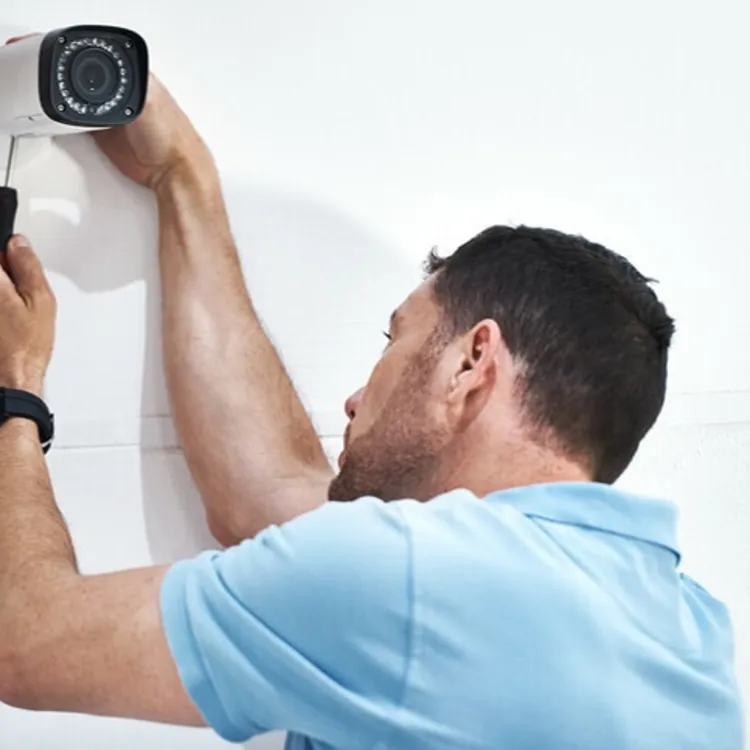
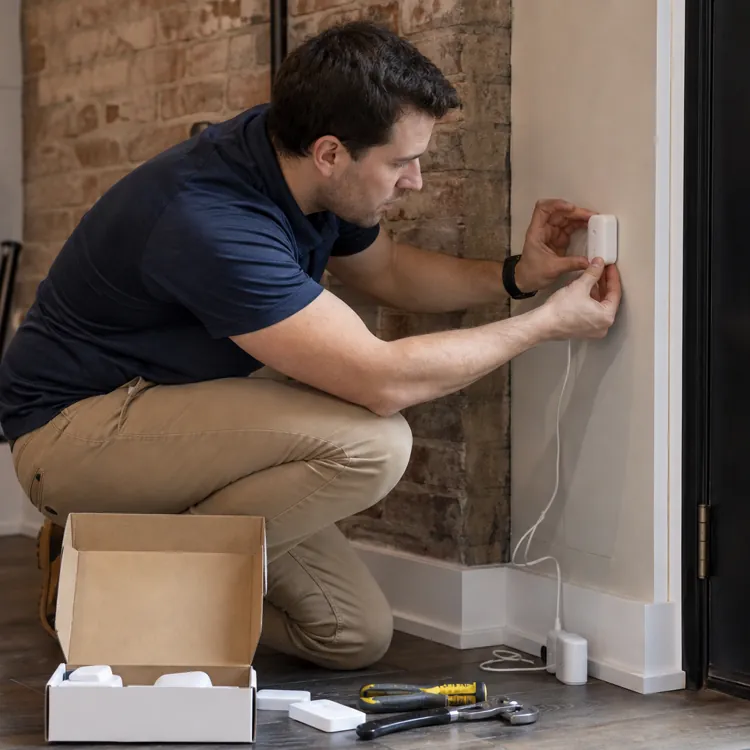
Peel-and-stick Wi-Fi cameras seem super simple, but placement issues can lead to false alarms or bad footage. The quality of the installation, or lack thereof, can also cause problems if sensors aren’t properly aligned. Certain structural features, such as steel siding, can make wired installation difficult or interfere with wireless signals.
Maintaining home security systems can be tricky for DIY equipment and expensive with professionally installed gear. For example, keeping up with battery changes or recharging battery packs can be awkward if cameras are hard to reach. Likewise, faults in wired systems may require professional help to fix, further adding to long-term home security costs.
» MORE: Cheapest home security systems
Home security system effectiveness
While peace of mind is a relatively hard-to-measure personal benefit, available data and various studies validate the effectiveness of home security systems in reducing crime.
What the research shows
Home security systems are effective in deterring crime. For example:
- Rutgers University found that security systems on some houses in a neighborhood reduced crime rates in the entire neighborhood.
- The International Review of Law and Economics found that burglar alarms are the most effective crime deterrent.
- A review of 40 years of CCTV data by the U.S. Department of Justice found direct correlations between the presence of visible cameras and crime reduction.
How burglars choose targets
How burglars choose targets, and how to reduce your risk as a result, is a legitimate concern worth exploring.
- UNC interviewed convicted criminals and found that 60% avoid homes with security systems.
- UNC also found that most burglars looked for unlocked or open doors and windows.
- Burglars look for signs that no one is home. Full mailboxes, packages on porches and no lights at night can signal that homes are unoccupied.
- Your risk rises with city size. The Council on Criminal Justice found that burglary risk was twice as high for homes in cities with between half a million and one million people as for cities with 100,000 people.
What makes home security effective
You likely only need one acoustic or dual-technology glass break sensor for each room or every 25 feet.
Effective home security is a combination of factors, including:
- Good physical security: Locking windows and doors is strongly recommended.
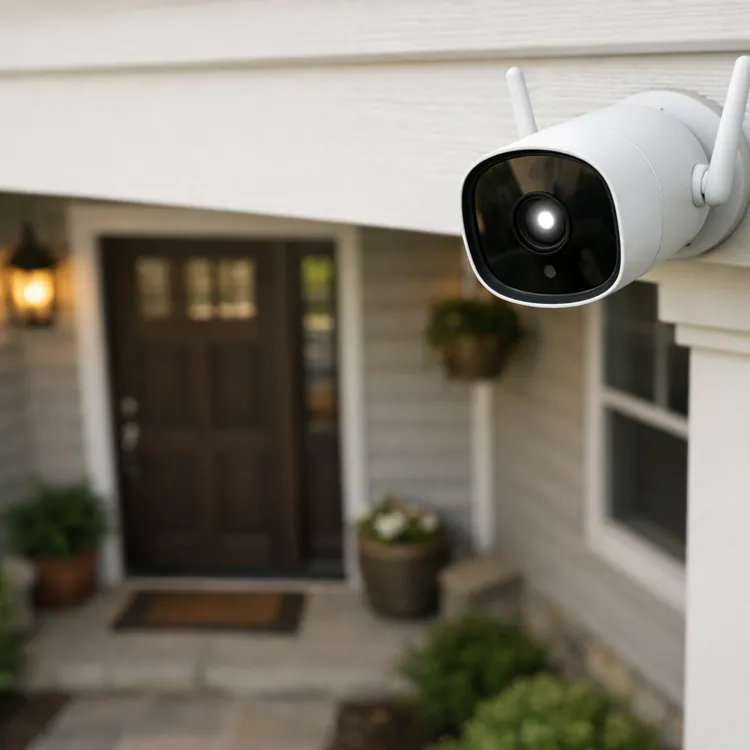
- Visible cameras: While some cameras should be hidden, outdoor cameras that are visible deter would-be intruders.
- Yard signs: Valid yard signs tell criminals not to bother with your home.
- Digital security: Security systems need encryption, MFA and strong passwords.
- Multiple device types: Cameras act as deterrents and collect evidence while motion sensors, contact sensors and glass break sensors trigger for an actual intrusion.
- Lighting integration: Sensors that trigger additional lighting enhance the deterrent value of security systems.
Home security system costs and value
Home security costs vary widely but include more than just equipment. Monthly costs, installation and maintenance all add up.
Typical cost breakdown
Home security systems may start out affordable, but as you add more features, sensors and monitoring, you may find your system becoming more expensive.
| Cost type | Average range | Factors affecting costs |
|---|---|---|
| Start equipment kits | $200 to $400 | Number of devices, brand, type of device, smart features, camera resolution |
| Full home and property systems | $500 to $1,500 | Number of devices, brand, type of device, smart features, camera resolution |
| Individual add-on sensors | $15 to $50 each | Type of device, device features |
| Installation | $100 to $300 | Complexity of installation and number/type of devices |
| Professional monitoring | $15 to $60 monthly | Provider, level of service, contract terms |
| Data plans for self-monitored systems | $10 to $30 monthly | Provider, features, number of devices, contract terms |
| Permit fees | $0 to $100 annually | Local city requirements |
Is home security worth the cost?
Home security costs extend far beyond the initial equipment purchase. Figuring out whether home security is worth it for you means weighing the pros and cons.
As a crime deterrent, home security systems help prevent thousands of dollars in losses per burglary and offer peace of mind. You may also find added value in the convenience of remote monitoring and access, as well as energy savings.
The wide range of home security systems available offers most homeowners affordable security options that may well be worth the cost.
FAQ
Does home insurance go down if you have a security system?
Most home insurance companies offer discounts for home security systems.
Do home security systems deter burglars?
Yes, home security systems are a top deterrent to burglars.
What is the difference between professional monitoring and self-monitoring?
Professional monitoring uses a dedicated call center staffed with trained professionals to handle alerts; self-monitoring relies on the security system owner to monitor alerts and call emergency services themselves.
Can I install a home security system myself?
Yes, many home security systems can be self-installed. However, complex systems may require professional installation to function properly.
Article sources
ConsumerAffairs writers primarily rely on government data, industry experts and original research from other reputable publications to inform their work. Specific sources for this article include:
- Federal Bureau of Investigation, "Burglary." Accessed May 8, 2026.
- Cambridge University Press, "Incidence and Costs of Personal and Property Crimes in the USA, 2017." Accessed May 8, 2026.
- United States Fire Administration, Federal Emergency Management Agency, "Residential Fire Estimate Summaries (2014-2023)." Accessed May 8, 2026.
- ResearchGate, "Understanding Decisions to Burglarize from the Offender's Perspective." Accessed May 8, 2026.
- Office of Justice Programs, United States Department of Justice, "False Burglar Alarms." Accessed May 8, 2026.
- Deep Sentinel Corp., "False Alarm Fines in Major U.S. Cities." Accessed May 8, 2026.
- ABC News, "Hackers Tap Into Home Security Cameras and Livestream to Hundreds." Accessed May 8, 2026.
- Rutgers, The State University of New Jersey, "Rutgers Study Finds Alarm Systems Are Valuable Crime Fighting Tool." Accessed May 8, 2026.
- Elsevier Inc., "Burglary Reduction and Improved Police Performance Through Private Alarm Response." Accessed May 8, 2026.
- Office of Justice Programs, U.S. Department of Justice, "CCTV Surveillance for Crime Prevention: A 40-Year Systematic Review with Meta-Analysis." Accessed May 8, 2026.
- Council on Criminal Justice, "Trends in Burglary: What You Need to Know." Accessed May 8, 2026.