


Hourly rate for electricians in 2026
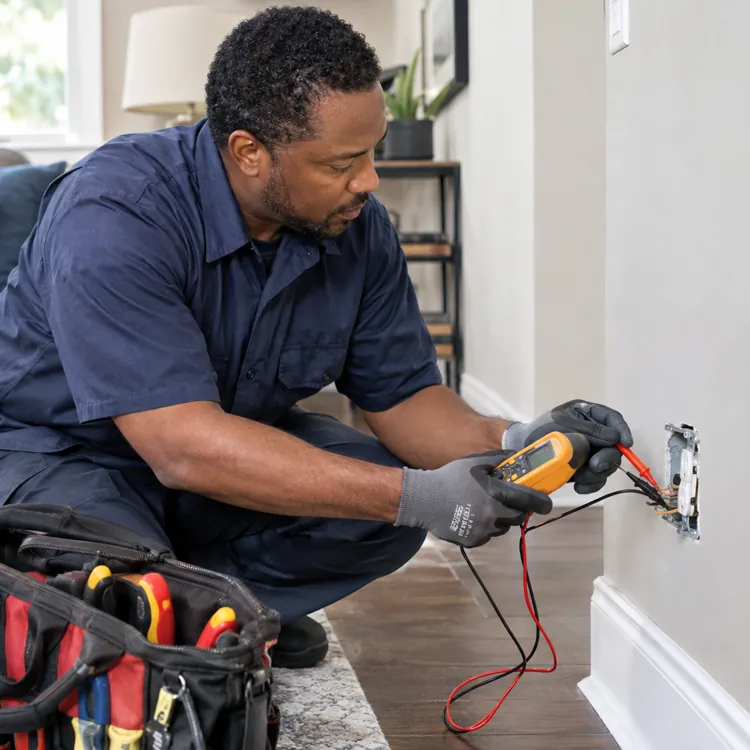
Nationwide, the cost to hire an electrician typically ranges from $75 to $150 per hour, before charges for materials and replacement parts. The rate depends on the electrician’s experience, the complexity of the job, and where you live.
While the average labor rate falls just north of $100, it’s usually about 25% cheaper for electrical service in the Midwest and Southern states, reaching as low as $65 per hour. The West Coast, on the other hand, hovers about 15% higher than the national average. This is part of why anecdotal and reported rates from homeowners can vary from published averages.
While electricians often charge an hourly rate for labor, standard services and diagnostics, specialty work often utilizes project-based pricing. A routine diagnostic could cost you as little as $100, while larger and more complex issues like installing a new circuit, which requires more time and materials, could go above $1,000 for the whole project.
Hourly electrician rates by license level
An electrician’s license level, often indicative of experience and training, has a strong impact on the hourly rate. Master electricians command a significantly higher rate than journeyperson electricians, who still command a much higher rate than apprentices.
Apprentice electricians
Apprentice-level electricians are students working to earn their licenses, usually still learning the basics of the electrical trade through a combination of classroom time and paid real-work training with a higher-level electrician. Working under supervision from a higher-level electrician, they can carry out basic electrical tasks and command a modest hourly rate.
Journeyman electricians
A journeyman electrician, also called a journeyperson electrician, has completed the training and on-the-job experience required to advance beyond the apprentice level. Journeyman electricians handle common tasks such as installing and repairing circuits. Licensing and supervision requirements vary by state.
Master electricians
Master electricians have demonstrated extensive experience and passed state master licensing exams. They can usually perform any degree of electrical task, including pulling permits and supervising teams. Master electricians can often command a rate two times higher than what an apprentice might charge.
| License level | Average hourly rate range | Electrical tasks |
|---|---|---|
| Apprentice | $18 to $48 | Basic wiring and inspection, under supervision |
| Journeyperson | $38 to $75 | Installing and repairing electrical systems, diagnosing problems |
| Master | $55 to $100 | Supervising other electricians, overseeing complex projects |
» FIND OUT: Who should replace light fixtures?
Hourly electrician rates by location
Location plays a major role in an electrician’s hourly rate, with higher-cost-of-living areas generally commanding higher rates for electrical work. Electrical rates in high-density metropolitan areas like New York City, the San Francisco Bay Area and Seattle can reach up to $200 per hour — three or four times those of smaller, more rural markets.
In metro areas, the cost of living is the primary factor that drives up an electrician’s hourly rate, though stricter permitting processes and old apartment buildings with difficult-to-reach circuits can also increase the cost.
Although electricians often have lower flat hourly rates in rural areas, they may charge an add-on trip fee for the travel to especially remote buildings. This can increase the already-high cost of large projects like whole-house generator installation.
| Area type | Hourly rate range | Common add-on costs |
|---|---|---|
| Major metro | $100 to $200 | Building age, permit fee, markups on materials |
| Mid-size city | $80 to $110 | Building age, permit fee, markups on materials |
| Suburban | $80 to $110 | Per-square-foot charges for larger homes, materials |
| Rural | $65 to $95 | Travel or trip fee, materials |
How pricing varies by U.S. region
Geographical region within the U.S. also strongly influences an electrician’s hourly rate, which tends to track with the cost of living. The costlier coastal regions, including the Northeast and West Coast, have the highest per-hour electrician rates, while the Midwest tends to have the most affordable rates.
Here’s a quick breakdown of electrician hourly rates by U.S. region:
- Northeast: $75 to $125
- Mid-Atlantic: $60 to $100
- Midwest: $50 to $90
- Southwest: $60 to $100
- West Coast: $70 to $140
Hourly billing minimums and extra fees
An electrician’s bill often includes a variety of fees and charges, not just the flat rate. Some electricians have a minimum fee that they charge simply for showing up, and factors like permitting and required materials also build upon the flat rate.
Here are some of the most common fees and add-ons to keep in mind:
- Service call fee ($75 to $150): A minimum rate for sending an electrician to your door
- Materials and parts ($5 to $1,000): Varies depending on what extra materials your job may need
- Travel time ($50 to $150): Typically applicable to remote and rural areas
- Emergency dispatch fee ($75 to $100): For urgent issues that require immediate response
- After-hours pricing (1.5 to 2 times normal rate): For calls outside regular working hours
- Permit coordination ($100 to $1,000): For complex or larger projects that require permits
Service call and first-hour pricing
Many electricians charge an upfront, flat fee simply for the electrician to show up at your property. This fee typically covers the first hour of work, even if it only ends up taking 30 minutes or less. This fee may also include travel time, dispatch, professional tools and basic diagnostic work.
Trip charges
Electrician trip charges are add-on fees related to the electrician’s travel to and from your location. This fee typically covers the electrician’s driving time, fuel costs, vehicle costs and the tools they transport in the professional vehicle.
More common in rural areas, trip charges often fall between $50 and $150, varying by driving time and distance.
Emergency and after-hours rates
Many electricians offer 24/7 emergency service in case you have a critical issue that occurs outside typical working hours. Electricians typically double their regular hourly rate for these emergency services.
Crew rates vs. solo electrician
Generally, when you have a crew of electricians working on a project, their individual hourly rates combine, leading to a higher total fee than you would pay for one electrician.
So, if a journeyperson charges $60 per hour for their time, with an apprentice earning $20 per hour, you may pay an $80 hourly rate. On the plus side, you can expect an increase in the amount of work completed per hour.
Permitting
Many complex electrical jobs legally require your electrician or contractor to submit a permit, which requires gathering materials and a fee. This often ends up costing you more — but the exact amount varies tremendously by location.
» BEFORE YOU TRY DIY: Can you install ceiling fans yourself?
FAQ
How much should I pay an electrician per hour?
Electricians and electrical companies usually set their own rates, with a national average falling between $75 and $150 per hour. If you live in a metropolitan area, expect to pay a rate on the higher end of this spectrum, while those in rural areas can likely find service below $100 per hour.
What is a reasonable day rate for an electrician?
Electricians usually charge an hourly rate rather than a day rate. Multiplying average hourly rates by an eight-hour workday, you might expect to pay $600 or more for a whole day of electrical work, though some project-based rates fall as low as $120 in total for small jobs.
Why do electrician rates vary so much by location?
Electrician rates vary greatly by location mainly as a reflection of the cost of living. More expensive areas usually have costlier materials, fuel, insurance and rent requirements, all of which require electricians to charge higher hourly rates.
Is a higher hourly rate always a sign of better quality work?
No, not always. Electricians charging higher rates can still make mistakes, and sometimes they can even be inexperienced. However, there's a correlation between experience, license level and the amount an electrician usually charges. In most cases, more experienced and proven electricians, like master electricians, can charge more.
Are emergency electrician rates higher than standard rates?
Yes, electricians often multiply their hourly rate by two for emergency dispatches or jobs that occur outside standard working hours.
Article sources
ConsumerAffairs writers primarily rely on government data, industry experts and original research from other reputable publications to inform their work. Specific sources for this guide include:
- U.S. Bureau of Labor Statistics, Occupational Outlook Handbook, “Electricians.” Accessed Nov. 18, 2026.
- AJ Long Electric, “Emergency Electrical Service Rates: What to Expect 24/7.” Accessed Nov. 18, 2026.
- Electri International, “Electrical Construction Career Map.” Accessed Nov. 18, 2026.
- PermitFlow, “Understanding Electrical Permits: A Guide for Contractors and Electricians.” Accessed Nov. 18, 2026.