

8 steps for finding a reputable gold dealer
Assuming you have little or no gold buying experience, let’s start with being clear on what this article is about: Buying physical gold, including bars, coins and bullion.
1. Understand what you’re buying and why
You’ve got two options for investing in gold: Buy physical products or invest in gold-backed funds.
This guide focuses on buying and selling gold products, including coins, bars and bullion. If you don’t want to invest in actual gold, there are a number of gold-backed investment products, including gold IRAs, ETFs, stocks, futures and mutual funds.
Common physical gold products
You can buy whole or fractional versions of coins (half-ounce, quarter-ounce and twentieth-ounce). The same as bars and bullion.
- Coins or fractional coins: Bullion coins made of 99.5% pure gold are the most common. The most popular versions are the Krugerrand, the American Gold Eagle and the Canadian Gold Maple Leaf.
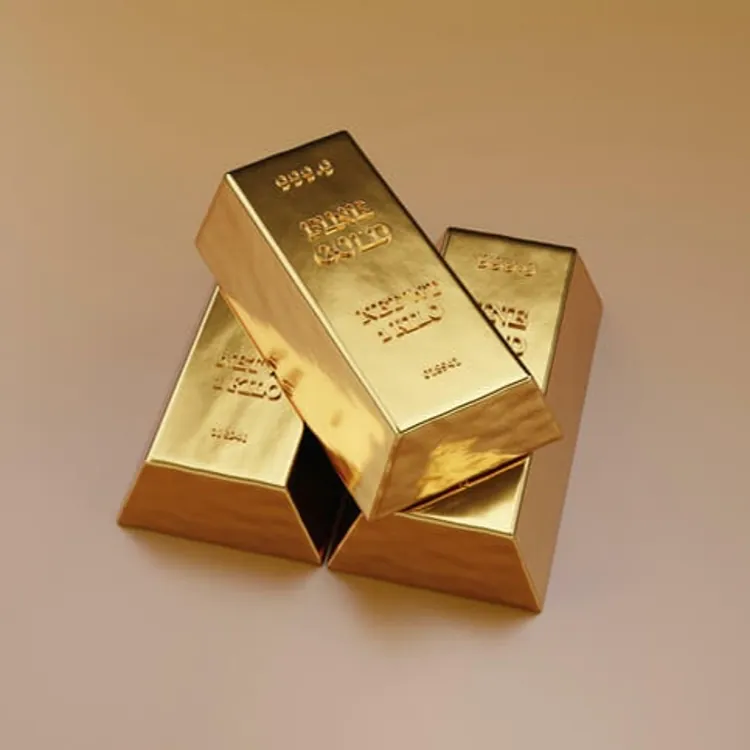
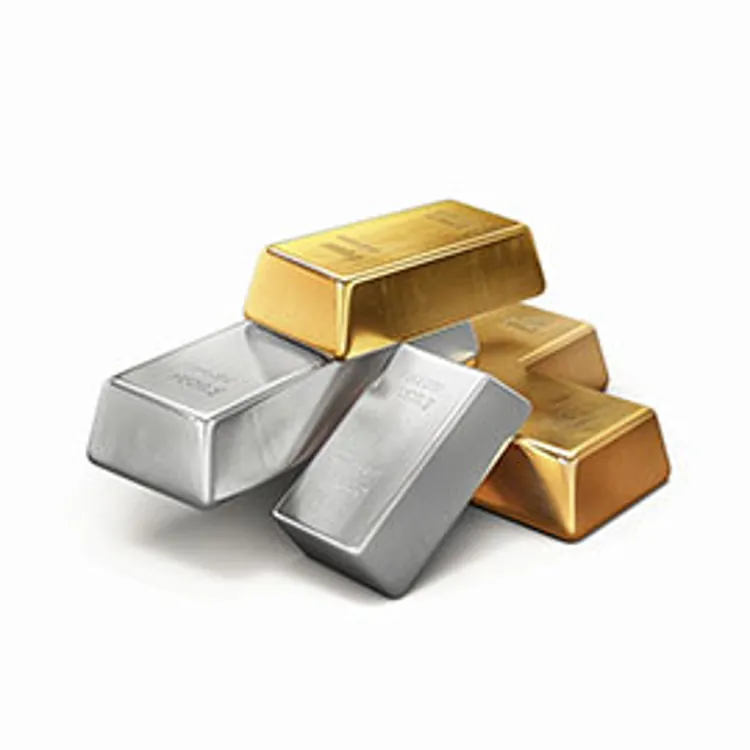
- Bars and bullion: Most gold bars, bullion or ingots should be at least 99.5% pure gold (i.e., 995 parts per 1,000 fine gold). Most consumers and investors buy gold bars, known as ingots, weighing either 1 ounce, 10 ounce or up to 1 kilogram.
(We aren’t recommending investing in gold or buying specific gold products compared to any other. Everything is for information purposes only.)
What to consider
When buying physical gold, you do need to consider:
- Can I sell it easily? The short answer is generally yes. Reputable dealers should have buyback policies. Or you can sell gold to another dealer or online to a wide market of gold investors.
- How do I store it safely? You could buy a safe, or have a secure storage provider or bank handle this.
2. Research gold dealers
When researching gold dealers, you need to think about the following:
- Where can I find reputable gold dealers? You can find gold dealers online or in-person. If you do find one online, make sure they have a physical address.
- Should I buy gold online or in person? It’s very easy now to buy gold online, especially from reputable dealers. Going in-person, unfortunately, doesn’t prevent scams.
- How many dealers should I compare before buying? As a minimum, compare three dealers before investing in any gold.
- How long have they been in business? Over 10 years is a good sign. Less than that could be a red flag.
3. Verify business credentials and reputation
Research any company you’re considering buying gold from before committing, starting with this checklist:
- Does it have a genuine business registration?
- Does it have a physical address?
- Who owns it: Is this transparent?
- Complaint patterns: Does anything stand out?
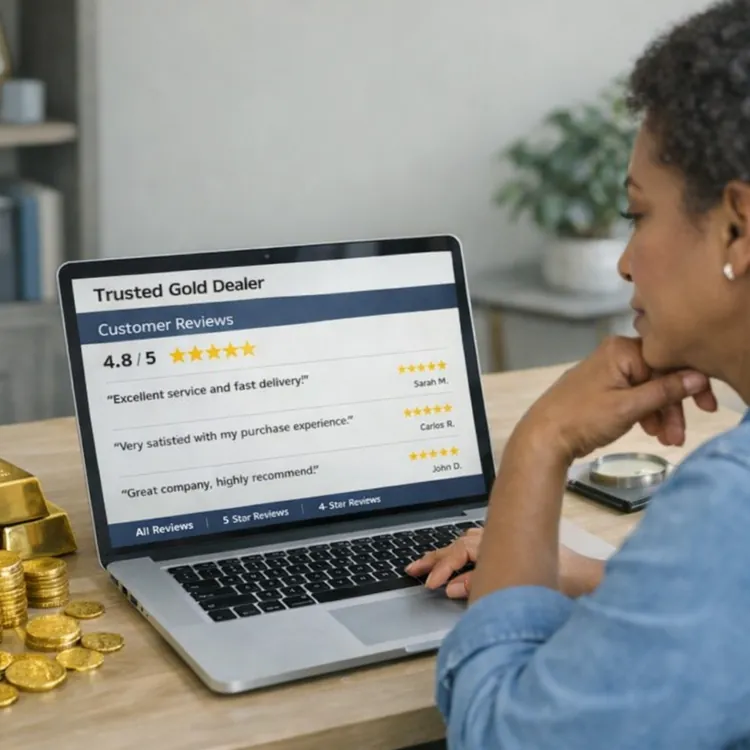
- Do the reviews/testimonials look genuine (are they on third-party platforms)?
- Does it have written policies, like terms and conditions, privacy, and clear returns or buyback policies?
You should also verify dealer legitimacy through your state’s Secretary of State business registries and check for Better Business Bureau (BBB) accreditation.
Professional organization membership
Depending on the type of gold dealer it is, the company could be in any of the following:
- American Numismatic Association (ANA)
- Professional Numismatists Guild (PNG)
- National Coin & Bullion Association (NCBA)
Please remember, memberships are a positive signal but not proof of legitimacy, so don’t take this as the only proof of being a reputable gold dealer.
4. Compare prices, markups and fees
Gold prices are affected by supply and demand. It’s affected by the global economy, inflation, geopolitical instability and numerous other things.
The retail price, as in what specific gold dealers charge, is always above the spot price. This is because it includes:
- Dealer premiums and markups
- Buyback policies and spreads
- Shipping, insurance and storage fees
And that’s why your total delivered cost won’t always be the same from one dealer to the next.
Pro tip
Watch out for “Too good to be true” prices, as they could easily indicate a scam. Cheapest isn’t always best!
» MORE: How to buy gold
5. Confirm product authenticity and quality
Thanks to centuries-old standards, consumers can verify what they’re buying. You need to check the following:
- Purity and weight standards: Gold products are measured by purity (fineness) and weight. Standard purities include 24-karat (99.99% pure), 22-karat (91.67%) and lower karats for jewelry.
- Recognized mints and refiners: Reputable mints and refiners include government operations (U.S. Mint, Royal Canadian Mint, Perth Mint) and established private refiners (PAMP Suisse, Valcambi, Argor-Heraeus). Gold from these mints is widely recognized, easier to verify and more liquid when you sell.
- Certificates of authenticity (COAs): Gold ingots usually come with certificates or assay cards that document weight, purity and origin. While these add credibility, they can be forged or separated from the wrong product. Coins normally don’t come with COAs.
- Packaging and tamper-evident seals: Gold you buy online should come in sealed assay packaging with serial numbers and tamper-evident features.
6. Understand storage, delivery and buyback options
Before buying gold, there are a few post-purchase considerations, such as:
- Home storage vs. third-party storage: Home storage gives you immediate access but requires stronger security (safes, insurance) and exposes you to theft risk. Third-party storage through vault services or dealers provides professional security and insurance.
- Delivery methods and insurance: Gold should always be shipped via insured carriers (registered mail or armored transport for larger amounts).
- Buyback guarantees: Some dealers advertise "buyback guarantees," but these aren't always as good as they sound. Read the terms carefully. Buyback prices are set below the spot price, may apply only to products bought from that specific dealer and might have time limits or conditions.
- Liquidity and resale expectations: Widely recognized gold assets (American Eagles, Canadian Maples, standard bars from major refiners) are the most liquid and easiest to sell quickly at competitive prices. Unusual or collectible items may have smaller markets and wider bid-ask spreads.
7. Watch out for common red flags
Reviewers on ConsumerAffairs have mixed experiences with online gold dealers. Some have expressed frustration over high fees, poor customer service and issues with orders and refunds.
As you read reviews, watch out for any of the following warning signs and red flags:
- High-pressure or fear-based sales tactics;
- Guaranteed returns or price predictions;
- Pushing collectible or numismatic coins (more collectible than investment-grade coins) without explanation;
- Lack of transparent pricing.
- Discouraging comparison shopping or refusing to provide policies in writing.
8. Trust your gut and make a decision
When it comes to buying gold, remember, there’s no rush. Never commit to anything like that unless you’re sure. Even if you’re buying gold online, you can always call or email to ask more questions.
As a minimum, you need to feel:
- There is transparency, consistency and clear communication from a gold dealer.
- Comfortable with a gold dealer’s explanations and answers to your questions.
If you’re happy with everything and have the money, then you can buy as much gold as you feel comfortable purchasing. But also, be willing to walk away if something feels off.
Compare online gold dealers
Read our guide to the best gold dealers to learn more.
| Company | Customer rating | Free shipping | IRA options | Year founded | |
|---|---|---|---|---|---|
 Birch Gold Group | Learn More | 4.6 |  | | 2003 |
 Lear Capital | Learn More | 4.9 |  | | 1997 |
 JM Bullion | Learn More | 4.6 | | | 2011 |
 Augusta Precious Metals | Get Started | 4.9 | | | 1998 |
Share your gold buying experience
If you’ve bought gold, consider writing a review at ConsumerAffairs.com to help others make better choices.
FAQ
Is buying gold online safe?
Yes, it can be safe if you make sure you check everything we’ve covered in this article, ensuring the dealer is a legitimate, well-rated and member of relevant trade associations.
How much should I expect to pay over spot price?
Based on current market trends, this is what you might expect to pay anywhere between 3% up to 25% over the spot price. It depends on a number of factors, such as premiums varying by product, weight and market demand.
Before buying any gold, compare the total cost and buyback spread between several dealers.
Can I easily sell gold after buying it?
Yes, you should be able to sell gold as easily as you can buy it. Either sell it back to the broker, as they should have straightforward buyback policies.
What are common gold investment scams?
Because gold is so well known and with more and more people getting gold, the number of gold scams keeps increasing, too. These include, but aren’t limited to:
- Fake gold bullions or coins
- Fake online gold dealers
- Fake gold investment scams (individual retirement account, for example)
Article sources
ConsumerAffairs writers primarily rely on government data, industry experts, and original research from other reputable publications to inform their work. Specific sources for this article include:
- Commodity Futures Trading Commission, “Precious Metal Frauds.” Accessed Jan. 28, 2026.
- Franklin Mint Federal Credit Union, “Don’t Let Precious Metal Scams Fool You.” Accessed Jan. 28, 2026.
- Professional Numismatists Guild, “Welcome to the Professional Numismatists Guild.” Accessed Jan. 28, 2026.
- American Numismatic Association, “Coin Collecting and Numismatics: American Numismatic Association.” Accessed Jan. 28, 2026.
- London Bullion Market Association, “Good Delivery Rules.” Accessed Jan. 28, 2026.