Solar Shingles vs. Solar Panels
Panels win on power and price, but shingles win on looks

+2 more


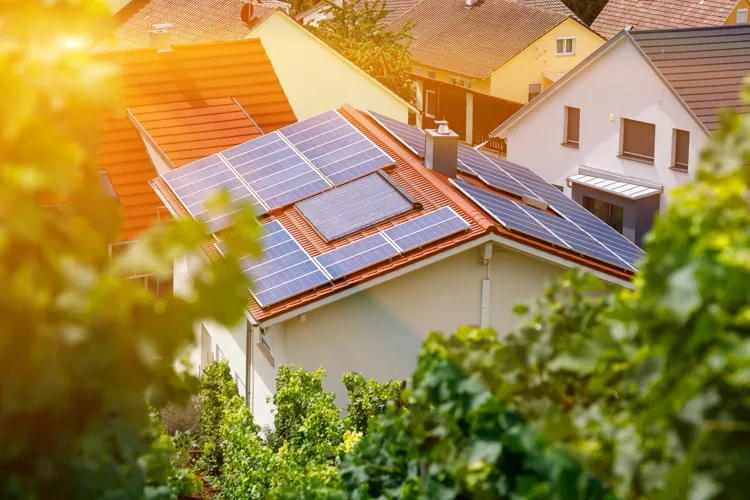
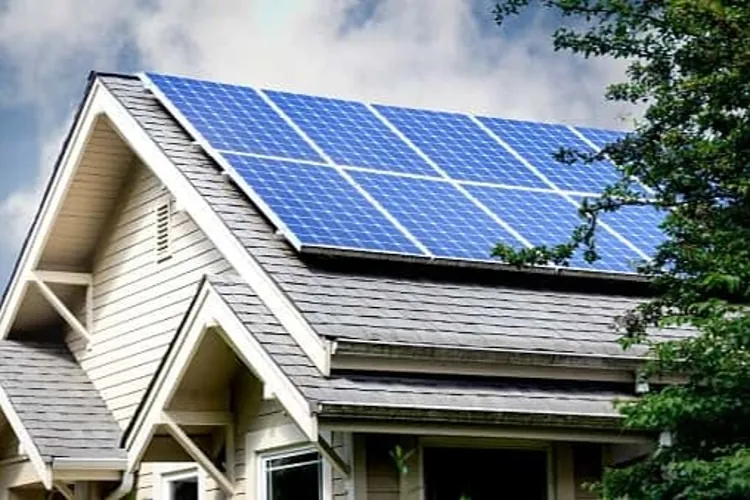
Solar panels are flat rectangles that sit on top of your roof. They're the most common way to go solar. Over 4 million homes in America now have them.
Solar shingles look just like regular roof tiles but make electricity from sunlight. Instead of adding something on top of your roof, they replace your old shingles completely.
NOTE: The federal solar investment tax credit (ITC) now ends Dec. 31, 2025, much sooner than planned. Originally set to phase out by 2035, the step-downs were cut under the One Big Beautiful Bill Act passed in July 2025. Homeowners still have until the end of this year to install and pay for a system to claim the 30% solar tax credit. Compare top-rated solar companies today.
Both last 20 to 25 years and can cut your electric bill to almost zero.
Jump to insightGet solar panels if you want the most power for your money.
Jump to insightGet solar shingles if you care more about how your house looks and don't mind paying extra for a more subtle design style.
Jump to insightWhat are solar shingles?
Solar shingles are small photovoltaic (PV) panels that double as roof tiles. They do two jobs at once: make electricity from sunlight and protect your home from weather.
“Solar shingles can be an excellent investment, especially if you’re building a new roof or replacing an old one,” Jesse Silkoff, CEO of MyRoofingPal, a company that connects roofing contractors with customers, said. “They merge better with building design and offer a more sleek and attractive aesthetic than solar panels, and the upkeep tends to be easier.”
Solar roof shingles vs. traditional solar panels
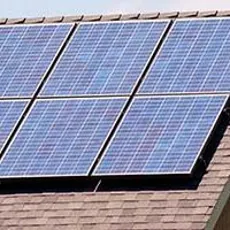
Solar panels and solar shingles work similarly. The biggest difference is in how they’re installed. Solar panels sit on top of your roof with a frame system, while solar shingles actually replace your roofing tiles or shingles — they essentially become your roof.
Compare at a glance
Think of it this way: Panels are like adding a hat to your roof. Shingles are your roof.
| Solar panels | Solar shingles | |
|---|---|---|
| Installation | Goes over existing roof | Replaces roof entirely |
| Efficiency | More efficient | Less efficient |
| Cost | Lower upfront cost | Higher upfront cost |
| Appearance | Visible on roof | Blends with roof |
| Lifespan | 20 to 25 years | 20 to 25 years |
Performance: Panels take the lead
Solar panels are more efficient than solar shingles. This means they make more electricity from the same amount of sunlight.
However, you can fit more solar shingles on your roof than panels. So, while each shingle makes less power, having more of them can make up the difference. In other words, panels give you more bang for your buck when it comes to electricity production.
Costs: Shingles cost more (but there’s a catch)
Solar shingles cost more than solar panels upfront. The average solar panel system costs around $30,000 before considering any financial incentives. Solar shingles can easily cost up to $75,000 or more. As of publishing, solar shingles are priced around $15 to $35 per square foot.
Your final price tag will depend mainly on how much power you want to generate. However, the math changes if your roof needs replacing soon:
- If your roof is in good shape: Stick with panels. They're cheaper, and you won't need to tear off your existing roof.
- If you need a new roof anyway: Solar shingles might make more sense. You're feeding two birds with one scone: getting a new roof AND going solar.
» SHOULD YOU: Replace your roof before going solar?
Lifetime: Both about 20 to 25 years
Both solar panels and solar shingles are designed to last at least 20 years. With solar shingles, you may have to replace defective shingles, but they should remain under warranty for around 20 years.
However, if your roof requires repairs, you have to remove any solar panels and pay to have them reinstalled.
Takeaway
Panels sit above your roof on racks and maximize efficiency at a lower cost. Shingles replace traditional roofing materials, blending into your home’s design while still producing renewable energy.
Installation process: What to expect
Solar panels are installed over your existing roof using a mounting system. It’s a faster installation process (assuming your roof is in good condition).
Solar shingle installation replaces your existing roof entirely, which is why it takes longer and costs more. Here are some additional factors your roofer might consider:
- Equipment size: Solar shingles are smaller than panels. Because they cover less area, a rooftop installation may require more shingles than panels.
- Roof space: Solar panels are more efficient than solar shingles, but a roof can hold more solar shingles than panels. You can make up the difference in efficiency by adding more solar shingles.
- Placement: Generally, solar shingles are placed where they’ll receive the most sun year-round. The same is true for solar panels, but they can tilt to track the sun — solar shingles are set in a fixed position.
Solar shingle pros and cons
Solar shingles are often best suited for homeowners who need a full roof replacement before going solar. They provide the same energy conversion and grid connection benefits as panels but with a more seamless aesthetic.
Pros
- Easy to install
- Better looking
- Easier upkeep
- Fewer roof concerns
- Durable enough to withstand snow, hail and intense winds
Cons
- More expensive
- Lower efficiency rating
- Fixed position (can’t tilt)
Solar shingle advantages
Solar shingles generate clean energy while doubling as roofing material, giving homeowners a sleek, low-profile alternative to bulky solar panels. They cut utility costs, reduce reliance on fossil fuels and still maintain the look of a traditional roof.
Panels are usually more cost-effective than shingles, but shingles have more integrated, design-friendly options.
Because they blend in with standard roofing, solar shingles are especially appealing if curb appeal matters. You can cover your entire roof with them, or mix them with regular shingles for partial coverage. Many manufacturers also offer “dummy” shingles, which are identical in appearance but without solar capabilities. That way, your roof maintains a consistent, polished look.
Solar shingle disadvantages
Like panels, shingles can’t store solar power without a battery system. They’re also smaller and less efficient than panels, so you’ll need more shingles to meet the same energy needs. And since they’re flush with your roof, they can’t tilt or adjust to follow the sun.
FAQ
How do solar shingles work?
The process starts with solar cells embedded directly into the shingle structure. These cells capture sunlight and convert it into direct current (DC) electricity, functioning the same way as conventional solar panels but with a more discreet design.
Because household appliances run on alternating current (AC), a solar inverter is required. The inverter converts the DC electricity from the shingles into usable AC power. Depending on the solar roofing system, this may be done with a central inverter or microinverters attached to individual shingles for optimized energy efficiency.
Once converted, the electricity flows into the home’s electrical panel, where it can power appliances, lighting and other devices. In many areas, homeowners benefit from net metering, which credits them for surplus energy fed back to the utility system. In terms of functionality, they are not that different from solar panels.
Can you install your own solar shingles?
You can install your own solar shingle system if you have experience installing roofing shingles — the process is the same. The only difference is that you’ll need to drill holes to run the wiring that channels power from the shingle to the solar components.
Solar roof tiles have an adhesive strip that attaches them to the roof (you still nail them in place like a traditional asphalt shingle). The design and application make mixing them with regular shingles easy.
Do I need a solar battery?
Neither panels nor shingles store energy on their own. If you want power during outages or at night, you'll need to add a solar battery storage system (like a Tesla Powerwall, for example).
Will solar shingles increase the value of my home?
According to Zillow, a rooftop solar energy system can increase the value of homes by an average of about 4%. Shingles also provide a streamlined look and a long life span, which may appeal to buyers.
» RELATED: Solar tax credits and rebates by state
Can my HOA stop me from getting solar shingles?
It depends on what state you live in. Some areas have solar access ordinances stating that homeowners associations (HOAs) can’t stop people from making home modifications that specifically embrace renewable energy. That can include anything from a solar panel installation to using a clothesline. It really just depends on where you live.
Will I still have an electric bill?
Most homes with solar still have small electric bills, but they're typically 80% to 90% lower than before going solar. In the best-case scenario, you only have to pay a basic utility connection fee.
Bottom line: Which is better?
Solar shingles are a building-integrated photovoltaic alternative to traditional solar panels. It’s a type of solar technology designed to blend seamlessly into conventional roofing materials.
Whether you choose solar panels or shingles depends on your priorities. To determine if the investment in solar is worth it, consider having them installed when your home needs a new roof.
Choose solar panels if: Your roof is in good condition, you want maximum energy production, you're focused on the lowest upfront cost and appearance isn't your top priority.
Choose solar shingles if: You need a new roof anyway, curb appeal matters to you, you don't mind paying extra for style and you want a streamlined, integrated look.
Article Sources
ConsumerAffairs writers primarily rely on government data, industry experts and original research from other reputable publications to inform their work. Specific sources for this article include:
- U.S. Department of Energy, “Solar Energy.” Accessed Aug. 20, 2025.