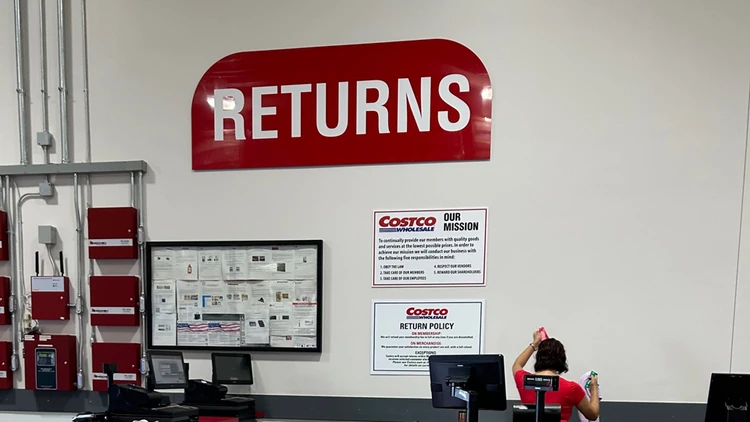

Not everything goes back on shelves. Returned items are shipped to regional depots, inspected, and graded — only like-new products may be resold at Costco.
Many returns are liquidated. Used or open-box goods are often sold in bulk to third-party resellers and show up online as refurbished or auction items.
Some items are trashed. Opened food, perishables, and heavily damaged products typically can’t be resold and end up as waste.
Costco is famous for its “100% satisfaction guarantee,” which makes returning items almost ridiculously easy.
But all those returned TVs, couches, blenders, and bulk snack packs have to go somewhere. Marketing Scoop did a full breakdown of the Costco return pipeline that sheds an interesting light on where all that stuff actually goes.
First stop: Costco’s return pipeline
When you return something at your local Costco warehouse, it doesn’t just go back on the sales floor.
According to Marketing Scoop, returned items go through this process:
- Collected in-store
- Shipped to one of Costco’s regional return depots
- Sorted, inspected, and graded based on their salable condition
Items in like-new shape may be repackaged and put back on Costco shelves and sold at a “slight discount.”
But a huge portion of the stuff, especially electronics and products that have clearly been used, never make it back to Costco.
The second life: Liquidation
Used, damaged, or open-box returns often get sold off in bulk to liquidation companies.
From there, they can end up:
- Sold by third-party resellers online
- Refurbished and relisted as “renewed” or “factory refurbished”
- Split up and sold at flea markets or discount stores
Some pallets even get auctioned on sites like Liquidation.com, where buyers can gamble on mystery pallets of returned merchandise.
So yes, that “refurbished” gadget you see online could very well be a former Costco return.
The unfortunate reality: A lot of stuff gets trashed
According to Marketing Scoop, not everything can be resold.
Stuff like returned food, opened perishables, hazardous materials, and heavily damaged items are usually thrown away.
For obvious reasons, food waste is especially high because stores can’t risk reselling anything that might be unsafe to consume.
In the end, that generous return policy shoppers love (and often abuse) also creates a surprising amount of landfill waste.
What this means for you (actionable tips)
1. Don’t treat Costco like a free rental service
Yes, you can return pretty much everything except electronics and major appliances (90-day returns) at any time, for any reason. And you don’t even need your receipt, as they can look up your purchase in their system.
But keep in mind that heavily-used returns are far less likely to be resold and more likely to become waste. Only buy what you realistically plan to keep.
Plus, this will ensure their generous return policy doesn’t become more strict like it has with other major retailers.
2. Keep packaging if you’re unsure
Items returned in original packaging and good condition have a much better chance of being resold instead of being liquidated or trashed.
It’s impossible to do this with everything, but it’s smart to do it with big-ticket purchases when possible.
3. Think twice before returning older electronics
Costco has a tighter 90-day return windows on many electronics, as their policy was getting heavily abused as shoppers were basically renting TVs and laptops.
If you're past 90 days from purchase, you'll have to sell it on an online marketplace like eBay or Facebook or trade-it in with Costco directly.
4. Be extra mindful with food returns
Returning half-used food almost always means it gets thrown away. If something is just “not your favorite,” consider whether it’s worth the waste.
Also, consider giving it to a friend or neighbor if it’s just not your thing. You can still take your receipt into Costco and they’ll often give you your money back anyways if you tell them you tried it, didn’t like it, and gave it away.
5. Look for deals on opened returns
Because so many Costco returns enter the secondary market, you can often save big buying refurbished or opened returns from liquidation or “bin” stores.
To find one near you, do a quick Google search for “YOUR TOWN liquidation store” and there’s a great chance you’ll be able to buy some Costco returns for pennies on the dollar.