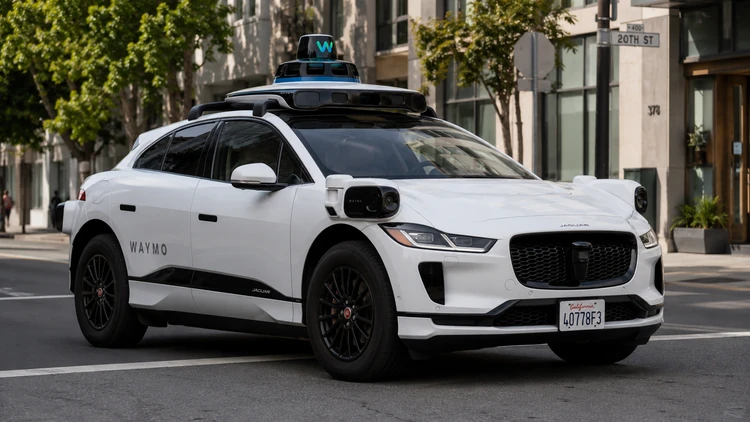

Waymo is recalling nearly 3,800 robotaxis after one autonomous vehicle drove into floodwaters in San Antonio, Texas.
Federal regulators said the software could slow for flooded roads but not always stop, creating a potential crash risk.
The recall adds to growing scrutiny of autonomous vehicle safety, as Waymo expands service across major U.S. cities.
Waymo, Alphabet’s self-driving vehicle subsidiary, has issued one of the largest recalls in the history of the autonomous vehicle industry after a software flaw allowed some robotaxis to enter flooded roadways.
The voluntary recall affects 3,791 vehicles equipped with the company’s fifth- and sixth-generation automated driving systems, according to filings with the National Highway Traffic Safety Administration (NHTSA).
The action follows an April 20 incident in San Antonio, Texas, in which an unoccupied Waymo robotaxi drove into a flooded roadway during severe weather and was swept into a creek. No injuries were reported, but regulators said the incident exposed a dangerous weakness in the company’s response to extreme weather conditions.
Flooded roads may be problematic
NHTSA documents state that on higher-speed roads, Waymo vehicles could detect standing water and reduce speed, but might still continue forward instead of stopping completely. Regulators warned that entering flooded roadways could lead to loss of vehicle control and increase the risk of crashes or injuries.
Waymo said it has already implemented interim software updates across its fleet, including tighter weather-related operating restrictions and revised mapping data designed to limit access to flood-prone areas. The company is also developing a permanent software remedy.
“We are working to implement additional software safeguards and have put mitigations in place, including refining our extreme weather operations during periods of intense rain,” a Waymo spokesperson said.
The recall represents another high-profile setback for the rapidly growing robotaxi industry, which has promoted autonomous vehicles as potentially safer than human drivers. Waymo currently operates commercial driverless ride-hailing services in cities including Phoenix, San Francisco, Los Angeles, and Austin, and recently expanded testing into additional U.S. markets.
Growing scrutiny
Despite its expansion, the company has faced mounting regulatory scrutiny over safety incidents involving its autonomous fleet. Federal investigators have previously examined reports of Waymo vehicles colliding with roadway barriers, illegally passing stopped school buses, and entering restricted traffic areas.
Still, Waymo continues to argue that its vehicles are safer overall than human-operated cars. A company-backed study published last year found Waymo vehicles experienced significantly lower crash rates than human drivers across tens of millions of autonomous miles traveled.
Industry analysts say the latest recall highlights one of the most difficult challenges facing autonomous driving technology: handling unpredictable real-world conditions such as flooding, snow, debris, and other hazards that humans often navigate using judgment and context rather than strict rules.
The recall also underscores the growing role of software updates in modern automotive safety. Unlike traditional recalls that require physical repairs, Waymo’s fix is largely being deployed through over-the-air software updates, allowing vehicles to receive new operating instructions remotely.