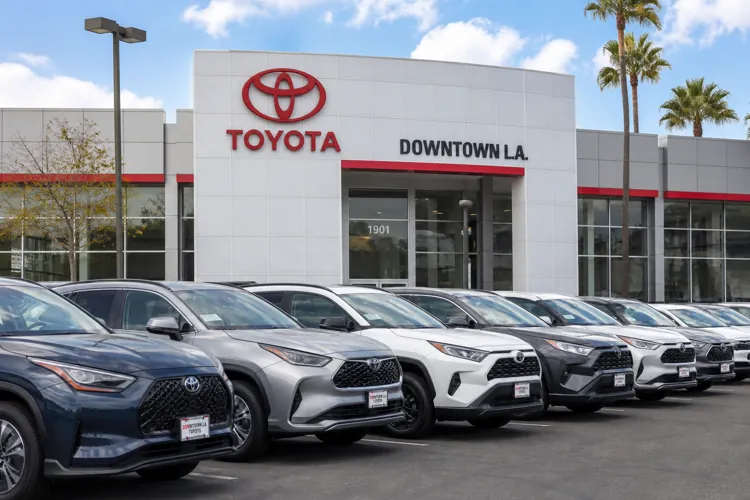

Dealers have millions of new vehicles in stock, but fewer freshly designed models to show shoppers.
Inventory is uneven, as affordable cars and some popular brands are relatively scarce, while certain higher-priced vehicles are plentiful.
For buyers, the best bargaining opportunities may be on slow-selling models and outgoing model years.
A shopper walking into a dealership this fall may find rows of new vehicles but little that feels new. That is the distinction behind a seemingly contradictory picture of the auto market: Some dealers have more vehicles than they can readily sell, yet they say they need fresh models to attract customers.
The Wall Street Journal reports that automakers are introducing fewer newly designed vehicles, leaving dealers to sell familiar designs at higher prices. The shortage it describes is principally one of new model launches and redesigns, rather than a nationwide lack of unsold cars.
The inventory numbers bear that out. Cox Automotive counted 2.68 million new vehicles available at the end of August, enough to last 73 days at the recent sales pace. Cox said overall supply remained adequate, even after inventory declined for a third consecutive month.
But the national average hides large differences. Toyota had just 33 days of supply, while Stellantis brands, Buick, and Lincoln carried some of the highest inventories. Vehicles priced at $30,000 or less had 54 days of supply; those priced above $60,000 had more than 90. A buyer looking for an affordable car may therefore face limited choices, while another dealer is eager to move a more expensive vehicle.
Sales figures present a similarly mixed picture. Cox expects third-quarter sales volume to be lower than a year earlier, but forecasts September sales to rise 6.5% from last September. It recently raised its full-year forecast from 15.8 million to 16.1 million vehicles, citing stronger demand than it had expected.
What it means for automakers
Fresh designs give shoppers a reason to visit a showroom and can help an automaker compete without relying as heavily on discounts. When launches slow, dealers may be left trying to sell aging vehicles against newer offerings from rival brands. That can put pressure on manufacturers to offer incentives on models that linger, even as popular vehicles continue to sell with less help.
A new model year does not necessarily solve the problem: A 2027 vehicle may differ only modestly from its 2026 counterpart. The transition is running slowly, too. At the end of August, 2027 models made up 12.4% of available inventory, compared with a 23% share for 2026 models at the same point last year.
What it means for shoppers
Buyers should expect deals to depend heavily on the specific vehicle. A slow-selling model or an outgoing model year may offer room to negotiate. An affordable model with a short supply may offer much less. Comparing prices and financing offers across several dealers will be more useful than assuming that either “shortage” or “glut” describes the whole market.
Price remains a hurdle regardless of inventory. Kelley Blue Book put the average amount paid for a new vehicle at just over $50,000 in August. For shoppers who do not need the latest styling or features, an older design could still be a good buy if its price, equipment, and total financing cost are right.