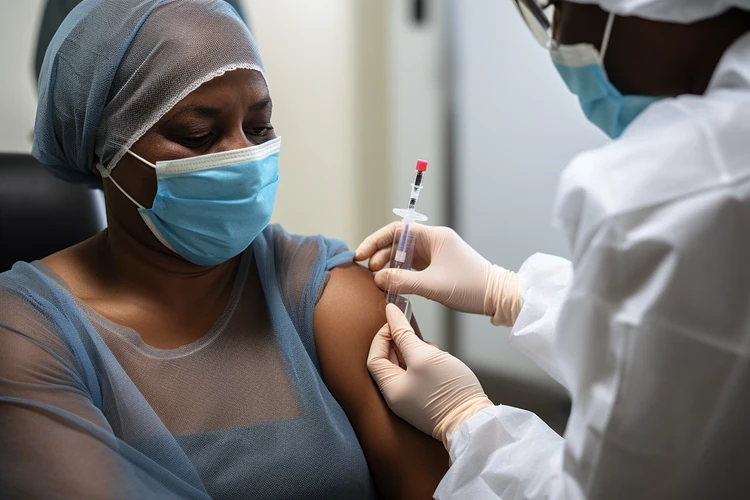

Fall usually means a flu shot, but with upticks in the new COVID-19 variant (BA.2.86) and RSV (respiratory syncytial virus), it also means that there’s a "tripledemic" many Americans have to face.
Of those three, the Centers for Disease Control (CDC) has expressed concern over the seriousness of RSV in older adults – serious in that it can cause “substantial” illness and death in older adults.
Each year in the United States, RSV leads to approximately 60,000-160,000 hospitalizations among adults 65 years and older, and 6,000-10,000 deaths among adults 65 years and older.
In tracking RSV hospitalizations, it was found that most RSV-associated hospitalizations occurred among those 75 and older, and 17% of all patients resided in long-term care facilities.
“Most patients hospitalized with RSV had one or more underlying medical conditions, such as obesity, chronic obstructive pulmonary disease (COPD), diabetes, or congestive heart failure,” the CDC wrote in an email to ConsumerAffairs.
As a course of action, the CDC recommends adults 60 and older get the RSV vaccine, particularly those who live in a long-term care facility and/or have pre-existing medical conditions such as obesity.
The CDC is concerned about seniors not getting the COVID booster, too
In addition to its RSV data, the CDC has been watching what’s going on with COVID-19. For one thing, its newest data shows a rise in COVID-19-related hospitalizations and deaths.
But, breaking that data down, the data reveal that older adults accounted for 63% of all COVID–19–associated hospitalizations in 2023. However, more than 75% of those hospitalized had not received the recommended two-part COVID-19 vaccine.
If you think that getting a COVID booster is just redundancy of the other booster shots you’ve received, experts would disagree.
“The latest mRNA shots by drugmakers Pfizer and Moderna are monovalent, meaning they protect against one variant — XBB.1.5, the most recent to descend from Omicron earlier in 2023," says Dr. John Ross, an assistant professor of medicine at Harvard Medical School who is board-certified in infectious diseases.
"Though that strain is no longer dominant, the boosters should still guard against closely related sub-variants that are now circulating. People can feel comfortable about their protection regardless."
Why not get all your shots at once?
Some pharmacy chains, such as Walgreens and Kroger, are offering a trifecta of flu/RSV/COVID shots. But, is getting all three at once safe?
The University of Nebraska Medical Center said that since there is no data on the all-at-once approach, most experts recommend a different strategy.
“Take flu and COVID together,” those experts told MedPage Today. “The CDC endorses this, as there’s evidence and experience that people can take this combination just fine,” they said.
“That said, it’s Okay to give all three at once if that is the only opportunity to do so,” said Dr. Aaron Glatt of Mount Sinai South Nassau in Oceanside, New York, who is also a spokesperson for Infectious Disease Society of America (IDSA).
“We don’t have a ton of data, but if someone is really that sick, I’d want them to get all those vaccines,” Glatt told MedPage Today. “The problem with waiting is, will they get the vaccine? If they need three visits to the doctor, how many people are willing to do that?”