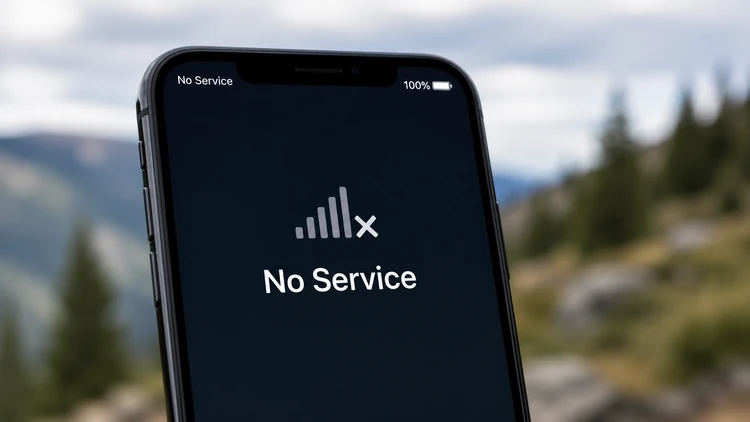

AT&T, T-Mobile, and Verizon plan to form a joint venture aimed at eliminating wireless dead zones across the U.S.
The companies say the partnership will use satellite-based direct-to-device technology to improve coverage in rural and underserved areas.
The agreement would allow the rival carriers to pool spectrum resources, while maintaining their separate wireless businesses and existing satellite partnerships.
There may soon be fewer wireless dead spots in the U.S.
AT&T, T-Mobile, and Verizon are setting aside years of fierce competition to launch a joint venture designed to eliminate wireless dead zones in the United States, particularly in rural and underserved regions.
Earlier this month, the companies announced an agreement in principle to create the new venture, which would combine spectrum resources and invest in satellite-based direct-to-device (D2D) technology to expand mobile coverage where traditional cell towers provide weak or no service.
The proposed partnership represents a rare collaboration among the nation’s three largest wireless carriers. The companies said the effort is intended to strengthen U.S. leadership in wireless communications while improving connectivity for consumers traveling through remote highways, national parks, and other hard-to-reach locations. It may also improve service in some suburban areas where homeowner associations have blocked new cell towers.
“Our goal is to make staying connected simple, no matter where you are,” AT&T CEO John Stankey said in the announcement.
Common technical standards
Under the proposal, the joint venture would develop common technical standards and create a unified platform that satellite providers could use to serve more customers. The carriers said the approach would improve customer experience and expand consumer choice by making satellite-based connectivity more seamless across networks.
The companies emphasized that their existing satellite partnerships would remain intact and that each carrier could continue pursuing separate connectivity initiatives independently.
Industry analysts view the agreement as a significant step toward broader adoption of satellite-to-phone services, which are increasingly seen as the next frontier in wireless coverage. The move also comes as companies such as SpaceX, AST SpaceMobile, and Amazon invest heavily in satellite communications technology.
Financial terms of the proposed venture were not disclosed, and the agreement remains subject to final negotiations and closing conditions.