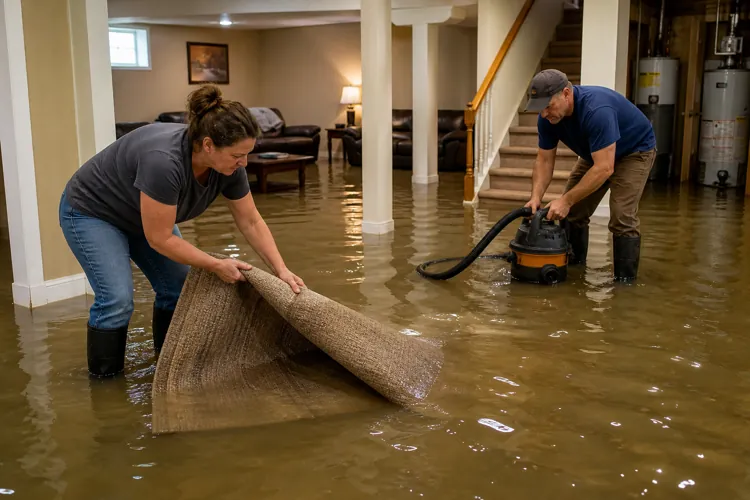

40% of homeowners say they couldn’t afford a $5,000 emergency, despite disaster recovery costs averaging $22,100.
Many homeowners misunderstand their coverage, with 35% believing standard homeowners insurance covers flood or earthquake damage.
The Zebra’s insurance analyst recommends documenting damage, saving receipts, and reviewing policies regularly to avoid costly coverage gaps.
Many homeowners feel confident that their insurance will protect them if disaster strikes. But a new survey from The Zebra suggests that feeling prepared and being financially ready for the unexpected are two very different things.
According to the insurance comparison platform’s 2026 State of Insurance: Home report, 40% of homeowners say they couldn’t afford a $5,000 emergency, even though homeowners who restored their properties after a disaster spent an average of $22,100.
ConsumerAffairs spoke with Beth Swanson, insurance analyst at The Zebra,who explained what these findings reveal about homeowners’ financial preparedness and the potential gaps they may need to address.
Methodology
The Zebra’s 2026 State of Insurance: Home report draws on three sources:
733,436 home insurance premiums
A national survey of 2,500 homeowners
Interviews with 26 homeowners who experienced catastrophic insurance claims within the past five years.
The report examines how extreme weather, rising insurance costs, and gaps in coverage can affect homeowners’ ability to recover financially after a disaster.
Key Findings
The report highlights a disconnect between homeowners’ confidence in their insurance and their financial readiness for a disaster.
Key findings include:
40% of homeowners said they couldn’t afford a $5,000 emergency.
34% had experienced damage from severe weather or a natural disaster.
81% believed they had adequate coverage for their home and belongings, while 77% believed they were covered in the event of a natural disaster.
Only about one-third felt very or extremely prepared for a natural disaster.
35% believed their standard homeowners insurance policy covered flood or earthquake damage, which typically requires separate coverage.
More than one-third of homeowners with covered claims reported a gap between their insurance payout and the actual cost of repairs.
One-quarter of homeowners who filed a claim couldn’t stay in their homes after the damage. Of those, only about half said insurance fully covered their temporary lodging expenses.
The report also found that homeowners who restored their properties after a disaster spent an average of $22,100 in 2023, underscoring how quickly recovery costs can add up.
Lowering out-of-pocket costs
If you feel unprepared for a natural disaster, Swanson recommends taking the following steps to mitigate your out-of-pocket costs:
Document everything: Take videos and photos of any and all damage, flooded areas, ruined belongings, etc. An adjuster will likely visit the property to inspect, but it’s a good idea to document everything you can to ensure you get the most from your claim payout. If you’ve got a home inventory from before the disaster, this will be important to share, as well. If there are ruined items you’ll need to throw away that might have serial numbers, be sure to take photos of these things as well.
Save all receipts for temporary fixes: After a major disaster, adjusters are often backlogged. Don't wait for them before taking steps to prevent further damage, like tarping a leaking roof or boarding up broken windows. Keep detailed records and save every receipt for materials or emergency labor; your insurer will usually reimburse these necessary protective measures.
Look into grants or FEMA options: This depends on your location and the event itself, but you may be able to file for FEMA assistance (or other options through your state) to help cover costs of housing and other repairs your insurance doesn’t cover. You can also reach out to your mortgage company and credit card companies to explain the situation if finances become tight after a major disaster. Remember that insurance reimbursement can take time, and money might come in different stages over an extended period of time.
Know your policy
With 35% of homeowners thinking that their standard insurance policy covers damage from earthquakes or flood damage, it’s important to know what your policy actually covers.
“It’s a huge misconception that if your mortgage company doesn’t require flood insurance (because you aren’t in a FEMA designated flood risk zone) then your house is safe and you don’t need it,” Swanson said. “As we continue to see more severe weather events, this is growing into a bigger issue, and it’s not only a huge stressor and disappointment if you think you’ll be covered and then you’re not, but it’s extremely pricey to handle everything that comes along with cleaning up a flooded home.”
Swanson explained that there are a lot of insurance endorsements homeowners might not be aware of that can come in very handy. “I always carry sewer/septic backup coverage, personally,” she said. “Consider service lines coverage (to repair utilities coming from the street onto your property, like gas or fiber optic) or code upgrade insurance as additional options.”
Always review your coverage
If there’s one takeaway from this survey, Swanson said it’s that insurance shouldn’t be a “set-it-and-forget-it” purchase.
“People often worry that updating coverage means spending a lot more money, but it’s really about closing hidden gaps (like adding low-cost water backup or service line protection) before they turn into devastating out-of-pocket costs,” she said. “Homeowners actually have far more control than they realize, and they might be surprised at how little some of the endorsements add to their cost.
“As local weather patterns shift, treating your policy like a living document and giving it a quick tune-up every year or so ensures your coverage matches today's reality (and protects one of your biggest investments, and your savings).”