

Key insights
Prepare with waterproof supplies, monitor forecasts closely and organize your move into efficient stages.
Jump to insightWrap furniture in plastic stretch film and use sealed plastic bins instead of cardboard boxes.
Jump to insightPlace absorbent mats and nonslip runners at entryways and keep high-traffic areas dry.
Jump to insightEssential tips for rainy-day moves
Moving in the rain adds an extra layer of stress to an already demanding day. Wet conditions increase the risk of slips, damaged belongings and delays, but with the right preparation, you can keep your move on track. Plan ahead, use the proper supplies and organize your team efficiently to protect your items and everyone involved.
Check the forecast and plan ahead
Start monitoring the weather at least a week before your move and, if possible, adjust your plans based on forecast changes. If heavy rain or storms are expected, call your movers to see if you can reschedule to avoid inclement weather.
Gather supplies for moving in the rain
If you can’t avoid moving in the rain, gather essential rain gear and supplies. Tarps, plastic wrap, nonslip mats, towels and waterproof containers are all ideal things to have on hand.
If you know you’ll be moving in the rain, consider switching from cardboard boxes to plastic bins or taking extra steps, like creating a covered walkway, to ensure your boxes don’t get wet during transport.
Set up an inside and outside crew
Keeping some folks dry while moving can help maintain an efficient process, so not everyone has to slog back and forth through the wet conditions.
Organize moving crews to include one team working inside and another working outside.
Create an assembly line to minimize exposure to moisture. This will make the process quicker and more pleasant for everyone involved.
Create a covered loading area
Set up a staging area in a garage or other covered space to reduce the distance items have to travel in the rain.
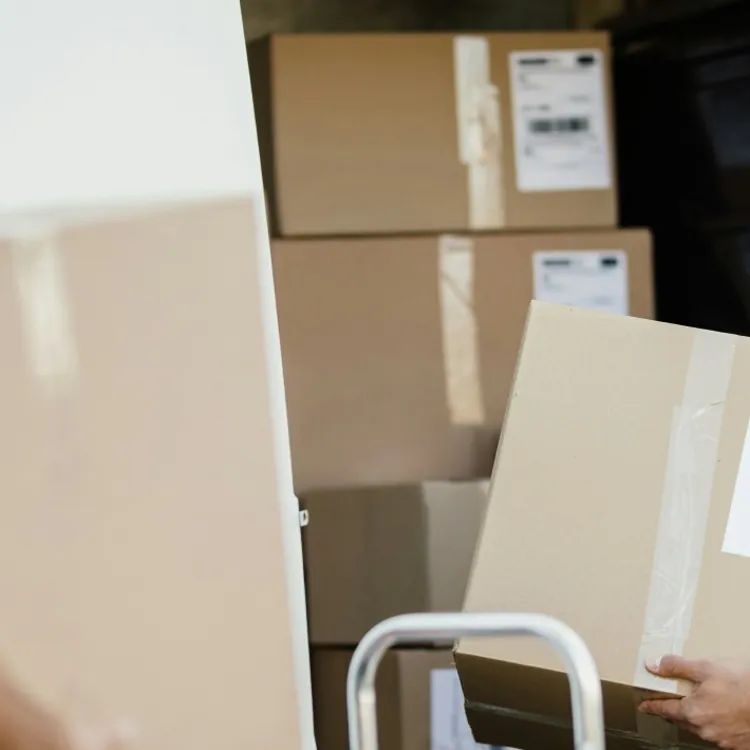
The indoor moving team can place packed boxes in the staging area for the outside crew to quickly load into the moving truck without getting too wet.
Shorten paths and maintain traction
If you’re utilizing a moving truck, park it as close to the covered staging area as possible to shorten routes between your home and the vehicle.
If doing so makes sense, create a covered pathway with tarps and canopies to keep the route relatively dry.
A dry walkway can be a major contributor to a safe rainy moving day. Not only will this help prevent slips, but it will also ensure things such as moving boxes, large electronics and furniture don’t get damaged from excess moisture.
Be sure to have emergency backup plans if you’re planning a rainy-day move. Consider storage options if the weather becomes too severe. Use climate-controlled storage units or keep your belongings in the moving truck. Storing your things in a portable moving container is another option if the weather gets harsh.
Checklist for moving in the rain
Refer to this quick checklist to stay organized and on track during a wet-weather move:
- Check the forecast and confirm or adjust moving plans.
- Gather rain supplies (tarps, plastic wrap, towels, nonslip mats).
- Reinforce or waterproof boxes and sensitive items.
- Set up a covered staging area near the exit.
- Create a tarp- or canopy-covered path, if possible.
- Park the moving truck as close as possible to the covered staging area.
- Assign indoor and outdoor moving teams.
- Place mats or towels on the walkway to prevent slipping.
- Wear waterproof, high-traction footwear.
- Move slowly and carefully when carrying items.
- Protect electronics and valuables from moisture.
- Prepare a backup plan (truck storage or storage unit).
Protect belongings from rain damage
When you move in the rain, you run the risk of damaging your belongings. But the proper methods can keep your things well protected from moisture.
Wrap furniture and mattresses
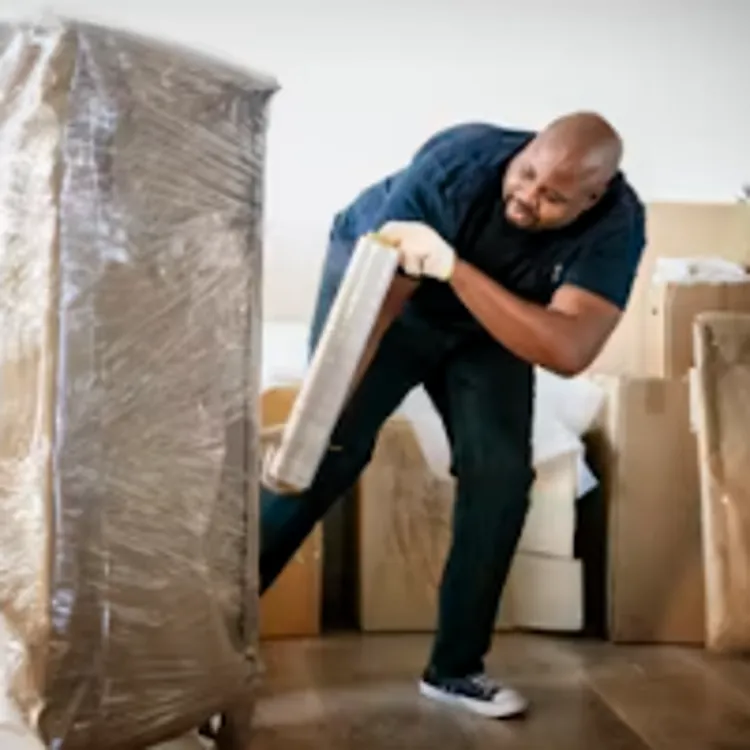
Wrap furniture and other large items with plastic stretch wrap to create waterproof barriers. Secure the stretch wrap at the base of the item you’re protecting and walk around it while holding the roll taut. Use multiple layers to make sure no moisture gets in and the item stays secure, and then secure it in the moving truck with moving blankets.
If a mattress absorbs any moisture, it’s nearly impossible to clean out. While mattresses typically come with a moisture-resistant cover, you should still use a mattress bag with sealed edges to keep all moisture out if you’re moving it in the rain. If you don’t have a mattress bag, wrap it tightly and securely with plastic stretch wrap.
Use plastic bins instead of cardboard
Cardboard boxes are often go-to moving materials because they’re cheap and effective. But the downside is that they aren’t moisture-resistant and can weaken quickly in the rain. Plastic totes are an alternative, water-resistant option, and you can reuse them for future moves or for storage. Switch to plastic bins if possible and make sure lids are secure.
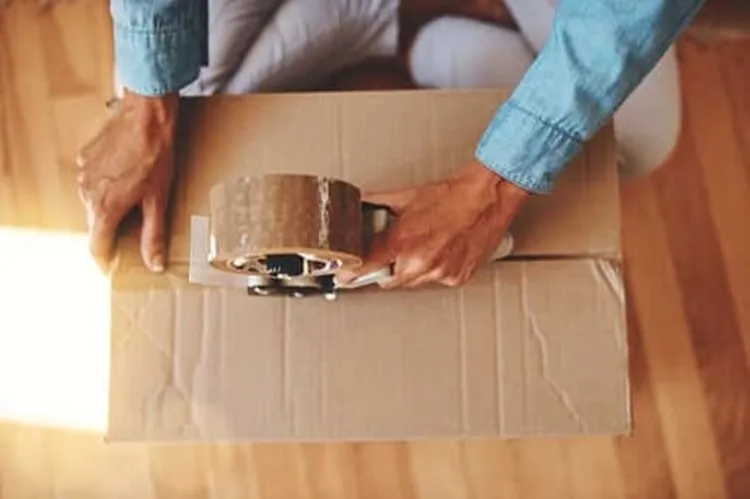
If you need to use cardboard boxes when moving in the rain, make them as waterproof as possible. Reinforce boxes with heavy-duty packing tape on the seams and on the bottoms of each box to help keep contents completely dry.
Keep electronics and documents sealed
To protect electronics from water damage during your move, use waterproof bags and sealed containers, and consider transporting them in a personal vehicle rather than the moving truck if possible. Moving trucks are designed to be water-resistant, not completely waterproof, so transporting electronics in your own vehicle is generally a safer option to avoid damage.
Use zip-seal bags or waterproof file boxes to hold documents and paperwork during your move, and use garbage bags to protect clothing, linens and other vulnerable and lightweight items.
Dry wet items to prevent mold
Once you’ve moved your things from Point A to Point B, you should immediately dry any items that got wet along the way. Minimizing the time your items are wet will reduce the risk of damage and prevent mold growth, which is especially important for your furniture and valuables.
Another way to stop mold in its tracks is to avoid moving blankets, as they are not waterproof. Moisture absorption promotes mold growth. Instead, you should opt for water-resistant materials such as tarps or other plastic coverings.
Essential supplies for moving in the rain
Here’s a summary of the best ways to protect your belongings during a rainy-day move:
Electronics
- Best protection: Seal in waterproof containers and transport in a personal vehicle when possible
- Materials needed: Waterproof bags, plastic bins with lids, bubble wrap, towels
- Common mistakes: Loading electronics in the moving truck without waterproofing; using loose plastic that isn’t sealed
Documents
- Best protection: Keep fully sealed and separated from other items
- Materials needed: Zip-seal bags, waterproof file boxes, plastic folders
- Common mistakes: Packing documents in cardboard boxes, not sealing bags completely
Mattresses
- Best protection: Fully enclose in a waterproof barrier
- Materials needed: Sealed mattress bags, plastic stretch wrap
- Common mistakes: Assuming built-in covers are enough, leaving edges exposed
Upholstered furniture
- Best protection: Wrap tightly to prevent moisture absorption
- Materials needed: Plastic stretch wrap, tarps
- Common mistakes: Using moving blankets alone (they absorb water), wrapping too loosely
Wood furniture
- Best protection: Protect from direct moisture and humidity exposure
- Materials needed: Plastic wrap, tarps
- Common mistakes: Letting water sit on surfaces, not drying items quickly after moving
Boxes
- Best protection: Use water-resistant containers or reinforce and seal thoroughly
- Materials needed: Plastic bins, heavy-duty packing tape, garbage bags
- Common mistakes: Overfilling boxes, not sealing bottoms, relying on cardboard alone in heavy rain
Prevent slips and floor damage
Rainy conditions make floors slippery and increase the risk of falls and damage. Taking precautions can keep your moving crew and your items safe.
Lay mats, tarps and runners
Use an entryway mat and towels in high-traffic areas to absorb water and dry shoes before entering and walking throughout your new place. This prevents excess water from getting onto the floor — especially helpful for wood, laminate and carpet floors that can warp, swell or grow mold when wet.
For extra floor protection, tape down plastic sheeting, tarps and runner rugs. Create temporary walkways on delicate flooring, like hardwood, using flattened and taped-down cardboard. Using something relatively soft, such as plastic or cardboard, will prevent slips and protect your floors from dirt and moisture without causing scratches.
Place nonslip mats on truck ramps and loading areas to improve footing.
Wear nonslip shoes and gloves
A surefire way to keep things safe during a rainy-day move is to wear the proper footwear. Opt for rubber-soled boots or sneakers with deep tread patterns and avoid smooth-soled shoes or worn footwear that may increase the risk of falling.
Prioritize loading ramp safety
Loading ramps can become especially slick in rainy conditions, increasing the risk of slips while you or your movers are carrying heavy items. If you’re using a ramp, make sure it has a nonslip surface, or add traction with rubber mats or grip tape. Move slowly, wear proper footwear and avoid overloading to maintain balance.
When possible, consider using portable moving containers or ground-level loading options. These eliminate the need for ramps altogether, reducing fall risk and making it easier to load items safely in wet conditions.
Check for hazards
Rain can quickly create hazardous walkways, especially in high-traffic areas. You should periodically check pathways between your home and the moving truck for standing water, mud or debris. Clear obstacles and dry surfaces as needed using towels, mops or mats.
Staying proactive with maintenance helps prevent slips, keeps pathways usable and reduces the chance you’ll track excess water into your home.
Decide when to delay the move
Not all rain necessitates a change of moving-day plans. Understanding the difference between manageable conditions and unsafe weather can help you decide whether to proceed or reschedule.
Light rain
Light rain or intermittent showers are typically manageable with the right preparation. If conditions are mild and there’s no significant wind, you can move as planned by using waterproof materials, setting up covered pathways and taking extra safety precautions. The process likely will take a bit longer, but it can still be completed safely.
Moderate rain
Steady rainfall increases the risk of slippery surfaces, water damage and delays. In these conditions, use more protective coverings, check pathways frequently and slow your pace. If visibility is low or if water is pooling quickly, it may be worth contacting your movers to discuss options.
Heavy rainfall, lightning and wind
Heavy downpours, thunderstorms or high winds can make moving unsafe. Wet and unstable footing, combined with poor visibility and the risk of damaged belongings, can significantly increase hazards. In these cases, rescheduling your move is often the safest choice.
If conditions worsen during your move, prioritize safety over speed. Pause the process if surfaces become too slippery or visibility drops, and resume only when it’s safe to keep going.
Storage as a backup option
Some moves have hard deadlines. If that’s your situation, consider splitting your move into phases. Move essential items first, and then store your remaining belongings in a covered truck or storage unit until weather conditions improve.
Coordinate with movers
In any case, stay in contact with your moving company and confirm conditions at both your current and new locations. Weather can vary significantly depending on where you’re moving from and to, and clear communication helps avoid surprises.
FAQ
What do movers do if it rains?
Most movers continue working in light to moderate rain with protective materials including plastic stretch wrap, tarps and floor coverings. They may make adjustments to keep crews safe and protect your belongings and floors, such as moving more slowly, setting up covered pathways or splitting up crews.
Is it okay to move in the rain?
Yes, moving in the rain is generally safe if conditions are mild and you take proper precautions. By waterproofing items and preventing slips, you can still keep your move on track.
Will movers cancel if it's raining?
Movers don’t typically cancel for light rain, but severe weather such as heavy storms, high winds or unsafe conditions may lead to delays or rescheduling. Policies vary, so it’s best to check with your moving company for specifics.
What supplies do you need for moving in wet weather?
Essential supplies for moving in the rain include tarps, plastic stretch wrap, waterproof plastic bins, garbage bags, towels, nonslip mats and packing tape to reinforce boxes and keep items dry.
Article sources
ConsumerAffairs writers primarily rely on government data, industry experts and original research from other reputable publications to inform their work. Specific sources for this article include:
- Moving Muscle, "Moving During Bad Weather: Expert Tips for a Safe & Successful Move." Accessed April 3, 2026.
- Brucke Flooring Co., "The Long-Term Effects of Water Damage on Various Flooring Types." Accessed April 3, 2026.
- Tarp Supply, Inc., "Why Water-Resistant Tarp Moving Blankets Are a Must in Rainy Climates." Accessed April 3, 2026.
- Direct Supply, "When Should You Replace Your Mattress?" Accessed April 3, 2026.
- U-Haul International, Inc., "7 Ways to Use Plastic Stretch Wrap for Moving & More." Accessed April 3, 2026.
- TWO MEN AND A TRUCK/International, LLC, "Moving in the Rain." Accessed April 3, 2026.
- 3 Men Movers, "Essential Tips for Moving in the Rain: Stay Dry and Organized." Accessed April 3, 2026.