

Key insights
Clear labels, color-coding and a simple inventory system make it easier to move boxes to the right rooms and unpack.
Jump to insightBefore opening any boxes, map out the new space and plan the general furniture placement.
Jump to insightKids, pets, small spaces and unpacking alone all change the order of priorities, so the best plan is the one that fits your household.
Jump to insightHow to pack up your old house
You'll want to get settled in as quickly as possible, but taking time to thoughtfully pack up your old place is crucial to making unpacking more efficient. Here are a few tips to get you started:
1. Label boxes with specifics
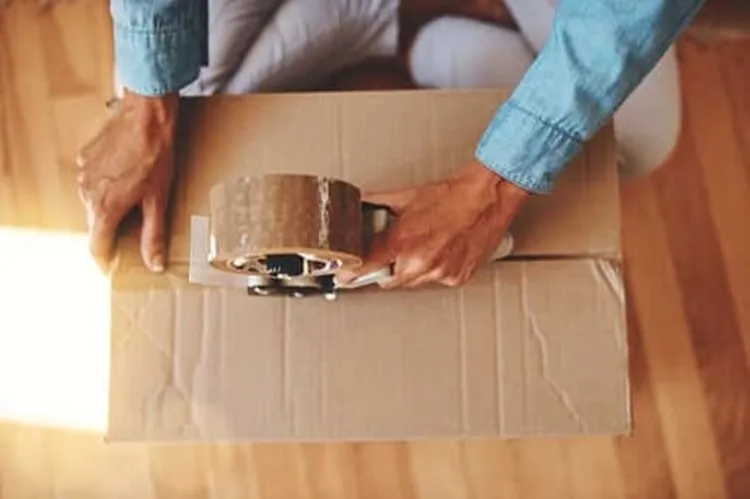
A black Sharpie is your best friend while packing, but it’s a good idea to go beyond simply writing “bedroom” or “kitchen.” The more information you provide now, the faster you can sort the boxes later — is it silverware, dish towels, a blender or your grandmother’s silver tea set?
Put a star on all boxes with essential items you’ll need right away. For example, you may have several boxes for your kitchen, but your “essentials box” may include some utensils, plates and a coffee machine. Other essentials you’ll want on the first day include toiletries, bedding and basic tools to assemble furniture.
2. Load in the opposite order you want to unpack
If you’re renting a van, load the least-used rooms first (think basements, closets and attics) and the most-used rooms last so they’ll be the first to come out when you get to your new home.
» MORE: Moving checklist
How to unpack and organize after moving
Now that your belongings are in your new place, it’s time to unpack strategically. What to unpack first depends on what will help you function and rest safely during your first day or two. Start by confirming that the utilities are working and that you have essentials like smoke detectors, keys and daily medications on hand. Then follow these steps in this order:
1. Start with a clean space
Hopefully your new house is move-in ready, but if not, it’s worth a thorough cleaning before unpacking. The best and easiest time to clean is when your space is empty, and the larger items haven’t been put into place yet.
2. Unpack your “essentials” boxes first
Unload and unpack your starred boxes first so you can comfortably get through the next couple of days. This should give you access to tools, toiletries, bedding and basic kitchen items. Moving is hard work, and you’ll be exhausted at the end of each day — you’ll appreciate having your toothbrush on hand and a freshly made bed to fall into.
Decor, books and nonessentials can wait for now. Prioritize setting up your main living spaces.
3. Tackle the big stuff
Deal with big items like furniture right away, since they're easier to move when the room is empty. Setting up items like beds, area rugs and couches gives you a better sense of your space and how the rest of your stuff will fit around them. Plus, it gives you a place to rest.
For this step, consider buying storage solutions like bins, shelves and dressers so you have a place to put your things as you unpack.
Room-by-room unpacking strategy
Breaking your unpacking into rooms can help you focus and see progress more quickly. This approach keeps the process manageable and allows you to prioritize the spaces that will make the biggest difference in your daily routine.
1. The big three: kitchen, bedroom and bathroom
The three most important rooms in your home — and the ones you’ll need to use the day of the move — are the kitchen, the bedroom and the bathroom. These should take priority over everything else.
I always recommend tackling the kitchen first. It's usually the toughest, but it makes the whole space feel more like home once it's done. Plus, you can make coffee or meals while dealing with the rest of the house."
Try to set up one room completely before moving on to the next to avoid feeling overwhelmed. Using your color system, you can then stack all the other boxes in the corner of the room they belong to.
Olivia Parks, owner of Professional Organizer New Orleans, told us she gives this practical advice to all her clients: “I always recommend tackling the kitchen first. It's usually the toughest, but it makes the whole space feel more like home once it's done. Plus, you can make coffee or meals while dealing with the rest of the house.”
2. Double-check your trash
You can easily lose smaller items in your packing material if you’re not careful: “You'd be surprised how many items get lost in the sea of boxes, bubble wrap and packing paper," said Parks. “A system for discarding materials can help ensure you've emptied everything before getting rid of it.”
Shake out all your packaging completely, and keep a box cutter in your back pocket to flatten boxes as you unpack them. Consider using a spare room to put all your packing materials so they’re out of your most-used spaces.
» MORE: Moving tips
Special unpacking situations
Not every move follows a standard template, and your unpacking plan shouldn't either. When you’re navigating specific constraints, adjusting your approach helps protect your schedule and your sanity.
Moving with kids: If you have children, ignore the kitchen rule and prioritize unpacking their room(s) first. Setting up their familiar bed, toys and books on day one gives them immediate psychological comfort, anchors their normal bedtime routine and keeps them safely occupied while you unpack the rest of the house.
Moving with pets: Animals feel high stress when their environments change, so set up a quiet room immediately with their familiar bedding, food bowls and toys. Keep this door closed during the heavy lifting to let them decompress until they feel more secure.
Navigating a small space: When you’re dealing with a compact layout, a slower, more selective approach may help. Limited storage means every item needs a clear place. Empty a box, break it down immediately, put the items away in their designated storage solutions, and remove the cardboard from the apartment before opening the next one.
Unpacking alone: If you’re unpacking alone, try not to do marathon sessions. Focus on completing one small, specific zone each day (for example, "just the silverware drawer" or "just the closet hanging rack") so you don’t hit a wall.
Other tips for unpacking
Some other practical tips for unpacking and staying organized after a move include:
Use the “touch it once” rule. It’s tempting to set items aside as you unpack to deal with later, but that just creates more work in the long run. When possible, put your things away right away. Time is money, and the longer it takes you to unpack, the higher your “cost” of moving.
Use gallon Ziploc bags for smaller items like cords, remotes and hardware, then put these in boxes with similar items.
Keep all your important documents together and safe. If possible, transport these yourself rather than sending them in a moving truck.
Put some music on to keep your spirits up.
Work in manageable time blocks to avoid burnout. For example, set a timer for 45 minutes of unpacking followed by a 15-minute break.
Sometimes it also makes sense to bring in professional movers to help. If your move is especially large, you have limited time, or you feel overwhelmed by the organizing process, hiring a professional unpacking or organizing service can reduce stress and help you settle in faster. These specialists can handle everything from setting up your kitchen to arranging closets and creating systems that keep your new home organized from the start.
FAQ
What is the most efficient way to unpack after moving?
The most efficient way to unpack is to get organized ahead of time. The more time and effort you put into packing correctly (think labeling, organizing, loading, etc.), the easier it will be on the other end.
What should I do with all the packing materials and boxes after unpacking?
If you can, pile it all in an unused space, then schedule a bulk pickup to recycle it all at once. Or list it on your neighborhood buy/sell/trade page for others who may need moving and packing supplies.
» MORE: How much does junk removal cost?
How can I make sure I don't lose items during unpacking?
Numbering your boxes and using an inventory system is the best way to account for everything. Taking photos of valuables during packing can also help if items are lost in transit and you need to file a claim with the moving company.
» COMPARE: Best cheap moving companies