

Step-by-step hitch installation guide
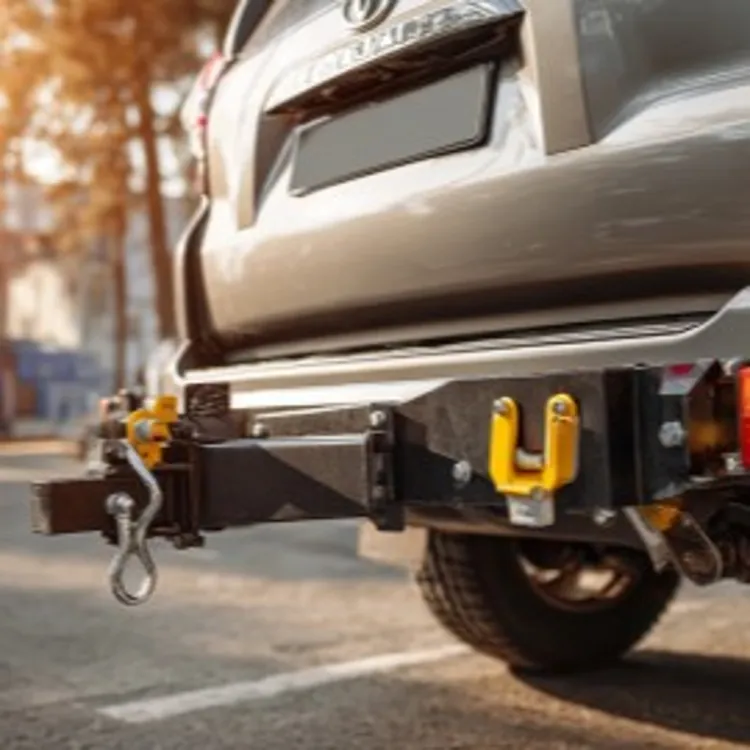
Installing a trailer hitch may involve removing the spare tire, lowering the exhaust, removing existing vehicle hardware, lifting the hitch into position and torquing the hitch hardware to correct values. While each vehicle and hitch combination has unique requirements, the basic process remains consistent.
- Ensure the hitch receiver is compatible with your tow vehicle. It must match the hitch class for the weight you intend to tow and the mounting locations on your vehicle's frame. Most modern hitches are vehicle-specific and designed for no-drill installation.
- Before installing, look under the vehicle to find the mounting points in the frame. Many vehicles have provisions for a trailer hitch when they leave the factory, so modifying or drilling often isn't necessary. If mounting holes are rusty, clean them with penetrating oil and a wire brush before attempting installation.
- Remove any hardware blocking the installation. Clean the mounting points on the frame. Position the hitch under the frame, insert bolts and washers until snug, then torque all bolts to the manufacturer's specification. You may need a second set of hands to help with positioning the receiver. If working alone, use wooden blocks to hold the receiver's weight while starting the bolts.
» COMPARE: Best moving companies of 2025
1. Review the instructions
Every hitch comes with specific installation instructions that detail the exact procedure for your vehicle model. Also, check installation video libraries on YouTube. Review these materials thoroughly before starting to identify any special requirements or potential challenges.
Understanding the complete process beforehand allows you to gather all the necessary tools and parts. It also helps you estimate the time needed and decide whether professional installation might be better for your situation.
2. Gather your tools
Before beginning, set aside the tools necessary for the tow hitch installation. Having everything within reach prevents interruptions and ensures you can work efficiently once you start.
Essential tools for most installations include:
- Socket set with metric and standard sizes
- Torque wrench (for proper bolt tightening)
- Jack and jack stands
- Wheel chocks
- Work light or headlamp
- Wire brush (for cleaning mounting points)
- Penetrating oil
- Safety glasses and gloves
Lay out all hitch components and verify them against the parts list in your instructions. Missing or incorrect parts are easier to identify before you're underneath the vehicle.
When pulling your new tow hitch from its box, you'll likely find the washers, bolts and instructions inside the hitch itself. Keep small parts in containers to prevent loss. Have rags ready for cleaning mounting surfaces.
3. Prepare the vehicle
- Park on a flat surface and engage the parking brake. Turn the engine off.
- If necessary, raise the rear of the vehicle with a jack and secure it on jack stands.
- Remove any obstructions from the mounting area (spare tire, underbody panels, plugs in frame holes).
4. Position the hitch
- Lift the hitch into place (a helper or a jack makes this easier).
- Align the mounting holes of the hitch with the existing holes in the vehicle’s frame.
5. Install hardware
- Insert the provided bolts and hardware through the hitch and into the frame.
- Hand-tighten bolts at first to hold the hitch in place.
- If your kit includes spacers or washers, install them as directed.
6. Tighten and torque bolts
- Snug all the bolts using a socket wrench.
- Refer to the hitch manufacturer’s instructions for the required torque specs.
- Use a torque wrench to tighten all bolts to the specified torque—this step is critical for safety.
7. Reassemble and test
- Reinstall any removed parts (spare tire, underbody panels).
- Lower the vehicle if it was raised.
- Double-check all bolts for tightness.
- Test the hitch by gently tugging or applying weight before towing.
Understanding towing capacity
Before you purchase or install any trailer hitch, you must know your vehicle's towing capacity. Towing capacity is the maximum weight your vehicle can safely pull. A VIN lookup confirms critical specs like engine, transmission and axle ratio that you can match with official tow charts. This information prevents you from selecting a hitch that exceeds your vehicle's capabilities.
You can find your vehicle's towing capacity by visiting the manufacturer's website. Many offer online tools where you enter your VIN to access detailed specifications. Your vehicle's owner's manual also contains towing capacity information.
Stay 20% under max towing capacity to add margin for shifting loads and braking
Never exceed your vehicle's towing capacity. For safety, stay at least 20% below that total since loads shift and cars brake suddenly. Your vehicle's gross vehicle weight rating (GVWR) represents the maximum total weight for safe operation. Exceeding it could result in expensive tickets or make you liable if an accident occurs.
Remember that towing capacity includes more than trailer weight. Your calculation must include RV dry weight plus passengers' weight, cargo and liquids. Understanding these limits ensures safe towing and protects your vehicle from damage.
» RELATED: How to rent a car trailer
Preparing your workspace
Proper workspace preparation makes the difference between a smooth installation and a frustrating experience. A hitch installation requires basic tools found in most tool boxes, though specific requirements vary by vehicle and hitch type.
A hitch installation requires basic tools found in most tool boxes, though specific requirements vary by vehicle and hitch type.
Plan your setup
Lay out tools and hardware before you start to avoid delays. Use bright, hands-free lighting to see mounting points clearly. Chock the wheels and set jack stands before getting under the vehicle.
Place wheel chocks on your front wheels. You may need to jack up your vehicle depending on your hitch and workspace. While not necessary for most installations, it provides extra space to work underneath. Ensure the emergency brake is activated and use jack stands to properly stabilize the vehicle.
Extra lighting helps when working underneath the vehicle and referencing installation instructions. Position lights to illuminate your workspace without obstructing your work.
Consider temporarily removing the spare tire during installation. It only takes a few minutes to drop down and remove then replace at the end, but gives you more working space.
» READ MORE: How to rent a moving truck
DIY vs. professional installation
You can install a trailer hitch yourself with the right tools. DIY installation saves money on installation costs. Installing a trailer hitch can cost anywhere from $100 to more than $1,300, with professional labor adding significant expense to the total cost.
Professional hitch installation costs range from $50 to over $250, depending on labor rates and installation difficulty. Some installations require more time. If you're comfortable with basic mechanical work and have the necessary tools, DIY installation can save money. However, be sure to follow the manufacturer's instructions carefully.
For a DIYer, installing a trailer hitch is possible at home if you have space to work under your vehicle's back end and tools to securely torque frame bolts. Don't attempt it if you have doubts about your capabilities.
Consider professional installation for complex setups requiring welding, electrical work beyond basic trailer wiring, or modifications to your vehicle's bumper or exhaust system. Professional installation is often recommended for weight distribution and fifth wheel hitches due to specific torque and safety requirements. Using professionals guarantees proper torque specifications, correct alignment and often includes a warranty on the work performed.
Common installation challenges
Even experienced DIYers encounter challenges during hitch installation. Being prepared for common issues helps you overcome them efficiently and safely.
Vehicle underbodies are exposed to outdoor elements, causing corrosion over time. If existing weld nuts have rust, it will be difficult (or even impossible) to properly thread trailer hitch bolts. Note their condition before starting. If threads are particularly rusty, you may need a thread-tapper tool to remove rust. Test a bolt to ensure it threads easily by hand.
Aligning the hitch with mounting points can be challenging, especially when working alone. The hitch's weight and awkward positioning make it difficult to line up bolt holes precisely. Using a floor jack to support and adjust the hitch height can simplify this process.
Some installations require the tailpipe and part of the exhaust assembly to be lowered, though only a small number of hitches require this modification. If your instructions indicate exhaust work, have exhaust hangers and penetrating oil ready. Rubber hangers can be stubborn after years of heat exposure.
Torquing bolts to specification is critical for safety. Tighten and torque all carriage bolts according to the manufacturer's specification using a torque wrench with the appropriate socket size. Under-torqued bolts can work loose. Over-torquing can strip threads or crack mounting points.
FAQ
Can I install a trailer hitch myself?
Yes, you can install a trailer hitch yourself. All hitches come with installation instructions for DIY purposes, though proper installation requires specific tools and can be difficult depending on the hitch and vehicle. Most basic receiver hitches can be installed by someone with moderate mechanical skills in one to two hours.
How expensive is it to put a hitch on a car?
A trailer hitch generally costs $150 to $300, not including installation. This can include a lifetime warranty for your towing equipment when purchased from certain retailers. Professional installation adds $50 to over $250 to the total cost, depending on labor rates and installation difficulty.
Do I need wiring for a trailer hitch?
If you plan on towing a trailer, you're legally required to have trailer wiring installed to ensure the trailer lights work with the vehicle lights. Even if you're only using the hitch for bike racks or cargo carriers initially, installing wiring during hitch installation is more convenient than adding it later.
Can I add a trailer hitch to any car?
In most cases, you can install a trailer hitch on any vehicle, though the cost and complexity vary depending on the vehicle's make and model. Smaller vehicles may require additional modifications or have limited towing capacity, making certain hitch types impractical.