

Key insights
Most people can reserve a unit, sign an agreement and start loading the same day.
Jump to insightThe unit type you choose affects your access method, security level and monthly cost.
Jump to insightStorage facilities offer units in different sizes to hold everything from a few boxes to the contents of a full house.
Jump to insightHow storage units work
Whether you’re storing just a few boxes or the contents of an entire home, the rental process works roughly the same way across most facilities.
1. Choose a facility and unit
Most storage facilities let you browse available unit sizes, check pricing and reserve a space online, often completing the entire rental agreement before you arrive. Consider location, access hours, security features and whether you need climate control when comparing options.
2. Reserve and sign the rental agreement
Once you’ve chosen a storage unit, you’ll sign a rental agreement. “It covers the rate, what’s prohibited and what happens if rent goes unpaid,” said Doug Van Soest, owner of Storology Storage, a self-storage facility based in Tyler, Texas. Most facilities let you do this digitally, so you can have everything squared away before you show up. Read it carefully, especially the fine print on late fees and lien policies.
3. Pay fees and set up autopay
Billing starts on your move-in date and renews monthly. Expect to pay the first month’s rent upfront, along with a small administrative fee. Most facilities run automatic payments by credit card or ACH transfer — set it and forget it.
4. Move in and secure your lock
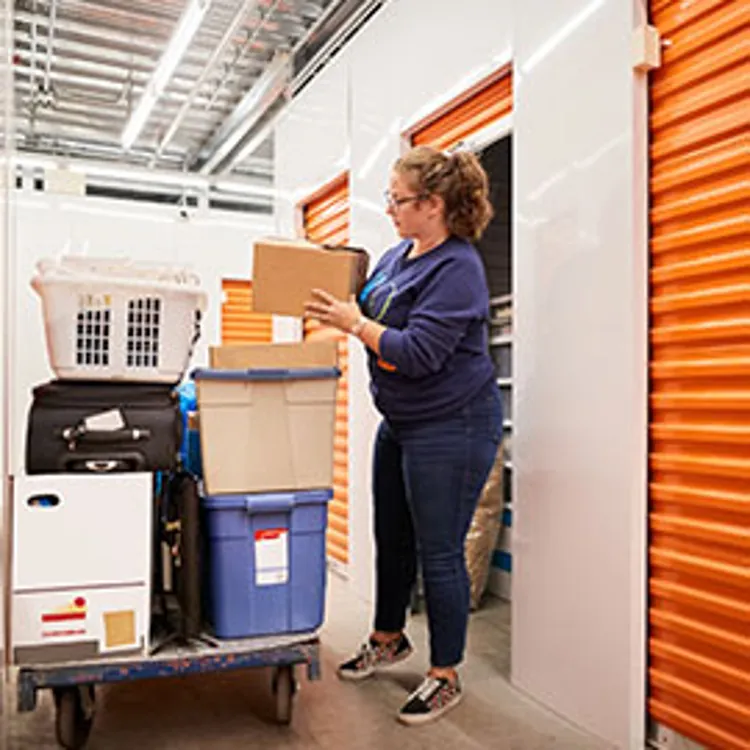
Move-in is self-directed with no appointment needed. You show up during access hours, load your belongings and secure the unit with a padlock. Some facilities provide carts, dollies or elevators. But everything else is on you to pack, load and organize.
5. Access your unit during access hours
Most facilities operate from 6 a.m. to 10 p.m., with some offering 24-hour access. Rather than checking in with staff, it’s typical to enter a gate code or a digital credential assigned to you at the time of booking. “This allows you to enter the building and access your unit during operating hours without needing staff present,” said Or Goldschmidt, co-founder of Urban Stash, a self-storage firm based in New York City.
6. Move out and close the account
Month-to-month leasing is the industry standard. Most facilities don’t require a long-term commitment because storage needs are rarely predictable, Goldschmidt noted. When you’re ready to leave, empty the unit, remove your lock and notify the facility before your next billing date.
Storage unit types and access
The type of storage unit you choose affects how you access your belongings, how well they’re protected and how much you’ll pay each month.
Drive-up units
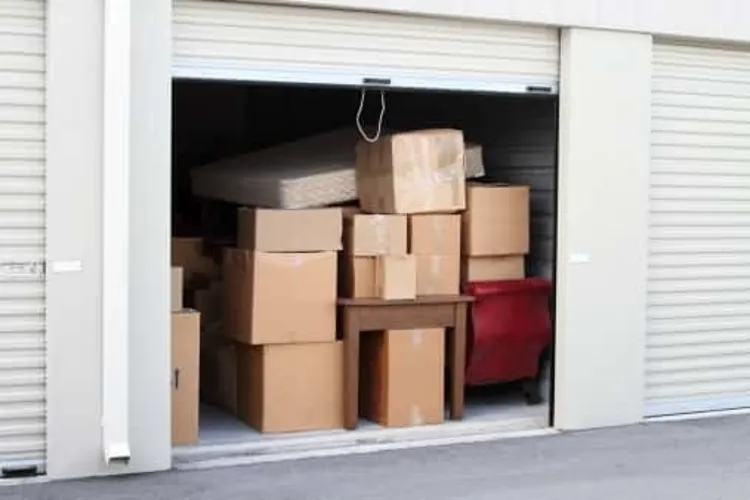
Drive-up units are the most convenient option for heavy loads. You pull your vehicle straight to the unit door — no hallways, no elevators, no extra steps. They’re common at suburban and rural facilities and work well for anyone who needs frequent, easy access.
Indoor units
Indoor units sit inside a building and require you to walk through a hallway to reach them. “They stay cleaner and tend to be more secure,” Van Soest said. In cities, outdoor lots are hard to come by, so most urban facilities build storage into existing buildings instead.
Climate-controlled units
Climate-controlled units keep temperature and humidity stable year-round, which matters more than most people expect. “About a third of our customers who stored wood furniture in a standard unit came back to find it had warped or cracked,” said Van Soest. Electronics, documents and artwork face the same risk. Expect to pay 20% to 50% more for this feature.
Additional storage types
Beyond these three, most facilities also offer vehicle storage for cars, boats and recreational vehicles (RVs). They may also have locker units, which are compact, lower-cost spaces suited for boxes and seasonal items. Here’s a glance at how the unit types compare:
| Unit type | Access method | Best for | Typical features | Pros | Cons |
|---|---|---|---|---|---|
| Outdoor drive-up | Direct vehicle access | Heavy furniture, frequent access | Ground-level loading, wide doors | No elevator needed | More expensive to weather, less secure |
| Indoor | Hallway entry | Long-term storage, valuables | Weather protection, enhanced security | Cleaner, more privacy | No direct vehicle access |
| Climate-controlled | Indoor hallway | Wood furniture, electronics, documents, artwork | Temperature and humidity regulation | Protects sensitive items year-round | Costs more than standard units |
| Vehicle storage | Drive-in or open lot | Cars, boats, RVs | Covered or uncovered options | Accommodates large vehicles | Limited availability |
| Locker units | Hallway entry | Boxes, small loads | Compact, lower cost | Affordable, space-efficient | Too small for furniture or large items |
Storage unit sizes and what fits
To choose the right storage unit size, Goldschmidt recommended taking a quick inventory first. Note your biggest furniture pieces and estimate how many boxes you have. Then use the facility’s online sizing guide to match your load to the right unit.
Most facilities offer units ranging from 5x5 feet up to 10x20 feet or larger. A 5x5 works well for a few boxes or seasonal items. “A 10x10 handles the contents of a one-bedroom apartment, and, in most cases, a 10x15 covers a two-bedroom,” Van Soest said. If you misjudge, most facilities will transfer you to a different size (though availability isn’t guaranteed).
Choosing the wrong size cuts both ways — too small, and you lose easy access to your belongings; too large, and you’re paying for space you don’t need.
A 10x10 handles the contents of a one-bedroom apartment, and, in most cases, a 10x15 covers a two-bedroom."
When in doubt, the table below can help you find the right fit:
| Unit size | Typical items | Ideal use case | Vehicle fit |
|---|---|---|---|
| Boxes, small furniture, seasonal items | Closet overflow, seasonal storage | No | |
| Mattress, small sofa, boxes | Studio apartment, small bedroom | No | |
| Full bedroom set, appliances, boxes | One-bedroom apartment | Not standard vehicles, but motorcycles, jet skis and snowmobiles are OK | |
| Multiple bedroom sets, large furniture | Two-bedroom apartment | Yes, compact car | |
| Full household contents | Three-bedroom home, long-term storage | Yes, truck or SUV | |
| Outdoor equipment, garage items | Four-bedroom home (or larger), business storage | Yes, large truck |
Storage unit costs, insurance and payments
Understanding what you’ll pay for a storage unit and what happens if you fall behind helps you avoid surprises.
What affects monthly storage prices
Six main factors influence storage unit costs.
- Availability: Units in high-demand areas or during peak moving season command higher prices. “Summer rates when people are moving tend to run higher than in winter,” explained Van Soest.
- Building amenities: Features like elevators, on-site staff and 24-hour access add convenience — and cost.
- Climate control: Maintaining stable temperature and humidity year-round can add up to 50% to your monthly rate.
- Location: “Urban facilities cost more because they're closer to where people live,” Goldschmidt said.
- Security features: Controlled access, surveillance cameras and on-site monitoring can drive prices up.
- Unit size: Larger units cost more. For example, a 10x20 will run much higher than a 5x10 at the same facility.
Deposits, administrative fees and discounts
Beyond your first month’s rent, expect a one-time administrative fee at move-in (typically $15 to $30) and a padlock if you don’t bring one. “Some facilities require a deposit, but a lot of them have moved away from that,” said Van Soest. Ask about discounts for off-peak timing, military service or student status before you sign.
Tip:Most facilities offer autopay. Setting it up on day one is the easiest way to avoid late fees later.
Storage insurance requirements
Most facilities require coverage on your belongings, either through the facility’s protection plan or an existing renter’s or homeowner’s policy. “A lot of people don’t know their renter’s insurance sometimes covers off-site storage. It’s worth a call to your agent before you pay for an additional plan,” Van Soest advised. Facility plans usually cover fire, water damage and theft.
Late payments and the lien process
Missing a payment triggers reminders, late fees and eventually restricted access. Most facilities offer a short grace period before fees kick in, but the timeline escalates quickly after that. “Thirty to 60 days to a lien notice is pretty common,” Van Soest pointed out.
Under state lien laws, facilities can auction off unit contents to recover unpaid rent. Most situations resolve before reaching that point, Goldschmidt noted, but it’s worth taking seriously from the start.



FAQ
Can I access my storage unit after hours?
After-hours access depends on the facility. Check with your preferred storage facility before renting if late-night access is a must for you.
What shouldn’t go in a storage unit?
Storage units shouldn’t hold hazardous materials (e.g., gasoline, paint, propane), perishables, live animals, plants or illegal items. Your rental agreement will include a full list of prohibited items.
Can you sleep in a storage unit during the day?
No, you can’t sleep in a storage unit during the day. Rental agreements prohibit this, and it’s illegal in most places due to fire, safety and zoning regulations. Violations can result in immediate eviction or legal consequences.
Can I share access to my storage unit with someone else?
Yes, you can share access to your storage unit. But notify the facility first and get the other person authorized on your account. Keep in mind that the primary renter remains legally responsible for the unit regardless of who has access.
Article sources
ConsumerAffairs writers primarily rely on government data, industry experts and original research from other reputable publications to inform their work. Specific sources for this article include:
- Stop & Stor, "How Does Self Storage Work?" Accessed March 19, 2026.
- The Storage Center, "First-Time Storage Unit Renters Guide." Accessed March 19, 2026.
- The Self Storage Centre, "How Does Self Storage Work? A Guide for Newbies." Accessed March 19, 2026.
- Public Storage, "How Can I Set Up and Manage AutoPay?" Accessed March 19, 2026.
- Central Park Self Storage, "Why You Should Reserve Your Storage Unit Online & Move In Today." Accessed March 19, 2026.
- Extra Space Storage Inc., "Are Moving Carts or Dollies Provided?" Accessed March 19, 2026.
- Extra Space Storage, "How Often Can You Visit a Storage Unit?" Accessed March 19, 2026.
- Bolt Storage, "Are Storage Units Month to Month?" Accessed March 19, 2026.
- RecNation Storage, "How Much Should You Pay for Storage? A Complete Pricing Guide." Accessed March 19, 2026.
- Extra Space Storage, "Drive-Up Storage vs. Indoor Storage Units: What's the Difference?" Accessed March 19, 2026.
- SmartStop Self Storage, "The Different Types of Storage Units and Which Is Right for You." Accessed March 19, 2026.
- Extra Space Storage, "What's the Difference Between Self Storage Units and Personal Storage Lockers?" Accessed March 19, 2026.
- SmartStop Self Storage, "Storing Your Car? Learn How to Choose the Right Storage Unit." Accessed March 19, 2026.
- Extra Space Storage, "Vehicle Storage." Accessed March 19, 2026.
- Extra Space Storage, "Your Guide to Vehicle Storage Rates." Accessed March 19, 2026.
- Outrig, "Do I Need Climate Controlled Storage? Here's How To Decide." Accessed March 19, 2026.
- SelfStorage.com, "Why Would You Need a Climate-Controlled Storage Unit?" Accessed March 19, 2026.
- Rancho San Diego Self Storage, "How to Choose the Right Storage Unit Size for Your Needs." Accessed March 19, 2026.
- Extra Space Storage, "How to Choose the Right Storage Unit Size for a 1-Bedroom Apartment." Accessed March 19, 2026.
- Extra Space Storage Inc., "Can I Change Storage Unit Sizes After I Move In?" Accessed March 19, 2026.
- Jack Cooper, "Which Storage Unit Size Do You Need?" Accessed March 19, 2026.
- Extra Space Storage, "Your Guide to 10x10 Storage Units." Accessed March 19, 2026.
- Storage Star, "10x15 Storage Unit: What Fits? What Doesn't?" Accessed March 19, 2026.
- Extra Space Storage Inc., "Your Guide to 10x20 Storage Units." Accessed March 19, 2026.
- SpareFoot, "10x30 Storage Units: When You Need a Large Storage Space." Accessed March 19, 2026.
- Hawkeye Storage, "What Size Storage Unit Do You Need? Finding the Perfect Fit." Accessed March 19, 2026.
- Extra Space Storage Inc., "Complete Guide to Storage Unit Prices in 2026." Accessed March 19, 2026.
- Public Storage, "How Much Does a Storage Unit Cost? A Complete Guide." Accessed March 19, 2026.
- Neighbor, "Climate-Controlled vs. Non-Climate-Controlled Storage: Differences, Benefits, Etc." Accessed March 19, 2026.
- Extra Space Storage Inc., "Are There Additional Fees Included With My Monthly Rate?" Accessed March 19, 2026.
- SecureSpace Self Storage, "How Much Does It Cost To Rent A Storage Unit?" Accessed March 19, 2026.
- SpareFoot, "Storage Unit Prices." Accessed March 19, 2026.
- StaxUP Self Storage, "Storage Unit Renters Rights: Essential Legal Protections and Regulations." Accessed March 19, 2026.
- Otter Self Storage, "Do You Need Storage Unit Insurance?" Accessed March 19, 2026.
- California Department of Insurance, "Required Disclosure to Renter." Accessed March 19, 2026.
- The Mobile Storage Guy, "Can You Sleep in a Storage Unit?" Accessed March 19, 2026.
- Shield Storage, "Why You Can't Sleep in Your Self-Storage Unit." Accessed March 19, 2026.
- Iron Storage, "Can I Live in a Storage Unit?" Accessed March 19, 2026.
- SmartStop Self Storage, "Can You Share a Storage Unit With Family and Friends?" Accessed March 19, 2026.
- Storage Solutions Inc., "Sharing a Storage Unit." Accessed March 19, 2026.