
When shopping for a rollator, there are a few factors to consider: the weight capacity of the seat, any desired storage features and your budget — rollators range from $50 to a few hundred dollars or more. Also, check the total weight of the item to ensure it’s easy for you or a caregiver to transport. To select our top rollator picks, we considered these factors, ruled out any products with poor customer reviews and gave preference to rollators with built-in back support and storage features.
Our top rollator walker picks
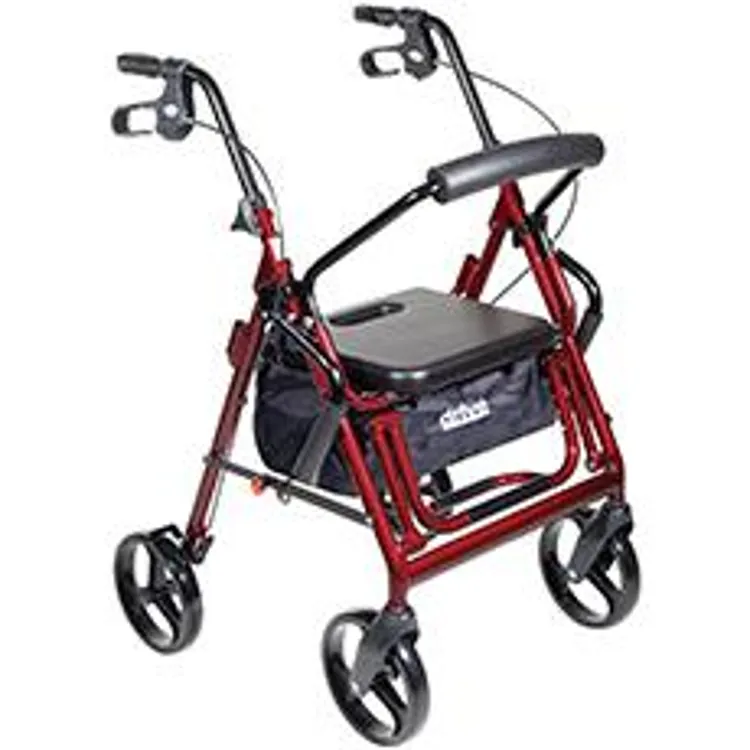
Drive Duet Transport Chair and Rollator
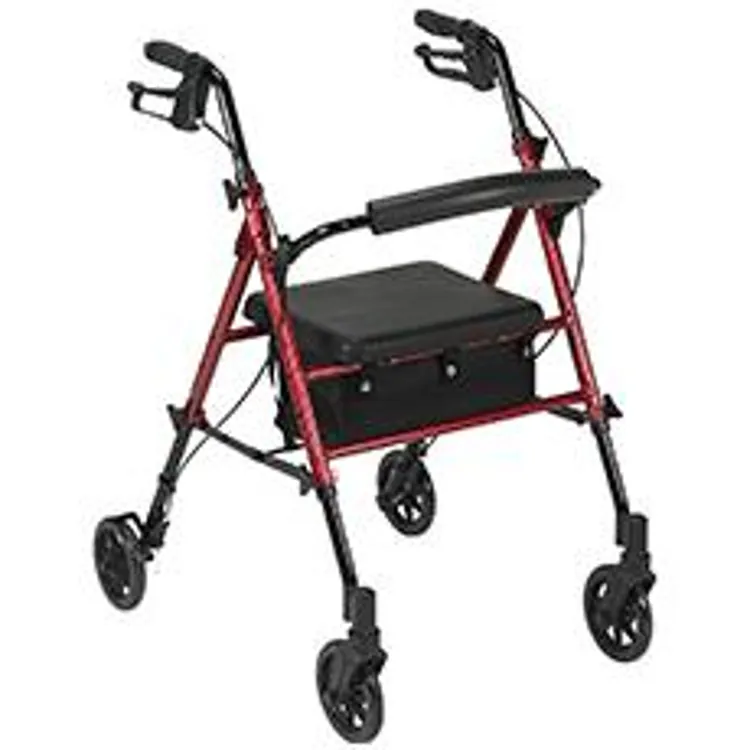
Drive Medical Adjustable Height Rollator
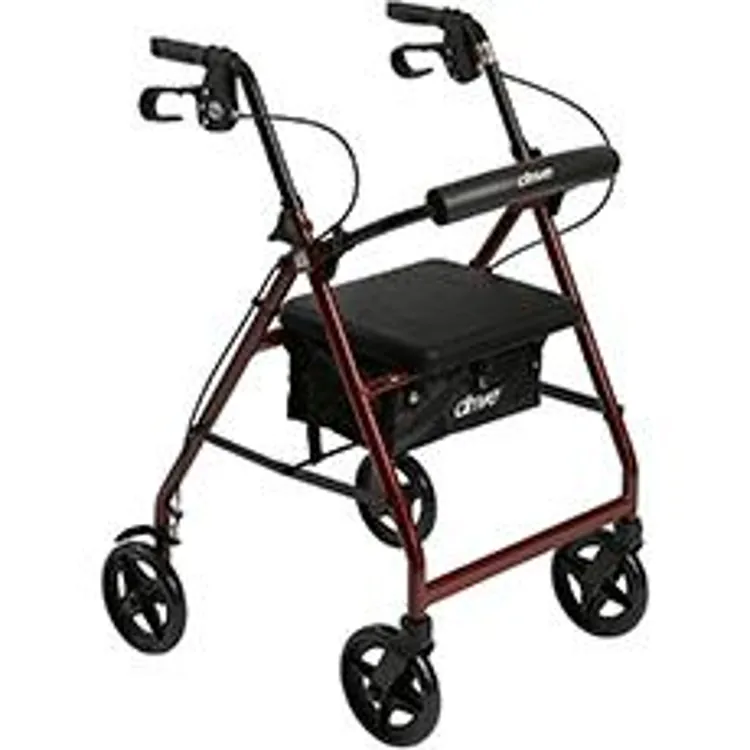
Drive Aluminum Rollator
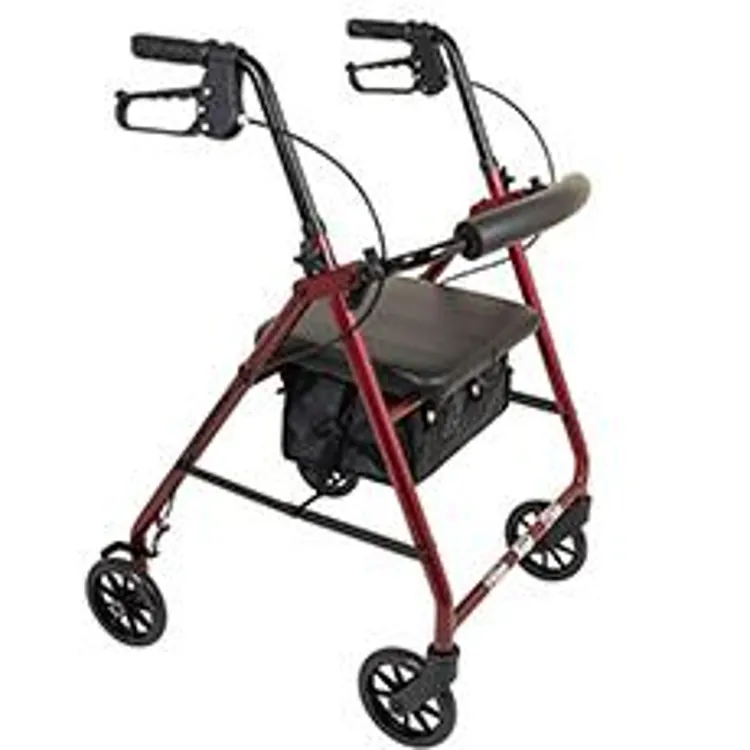
ProBasics Aluminum Rollator
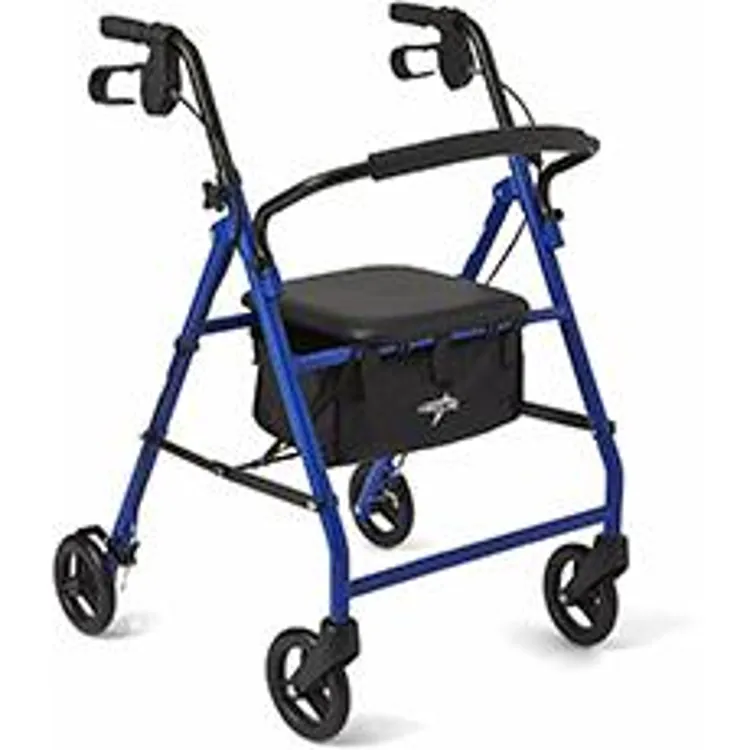
Medline Basic Steel Rollator
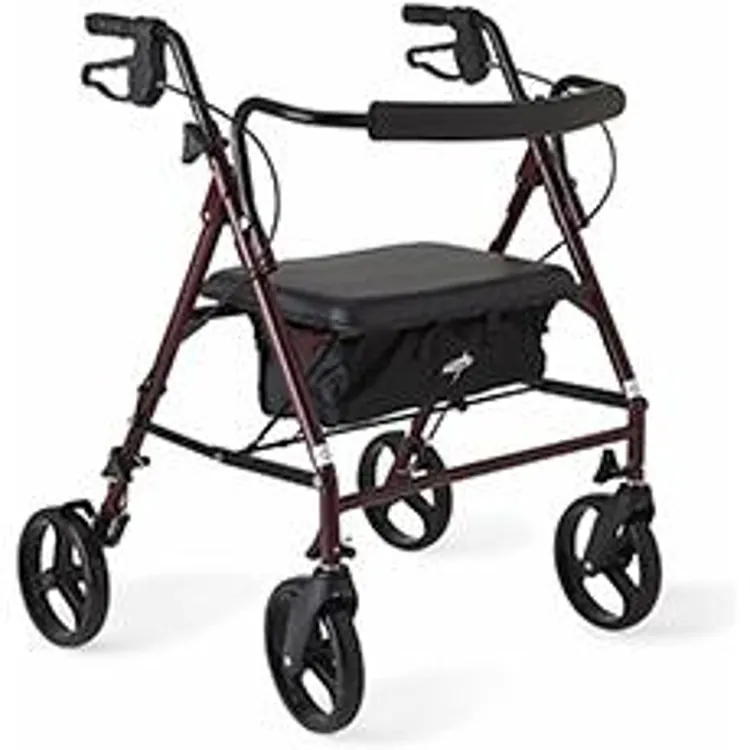
Medline Bariatric Heavy Duty Steel Rollator
Ultimate guide to buying rollator walkers
Rollator walkers are a great option for those who need assistance walking and want the ability to take breaks easily. They come in different sizes, with adjustable heights, and some can fold down for storage. Read on to get a better understanding of what you need to look for in a rollator walker.
Key insights
Rollator walkers are different from traditional walkers because they have more wheels and a seat.
Jump to insightOutdoor rollators have bigger wheels to accommodate the different terrains, while indoor rollators have nonskid wheels so they don’t scuff floors.
Jump to insightRollator walkers are adjustable and have various features, like brakes and storage space.
Jump to insightWhat is a rollator?
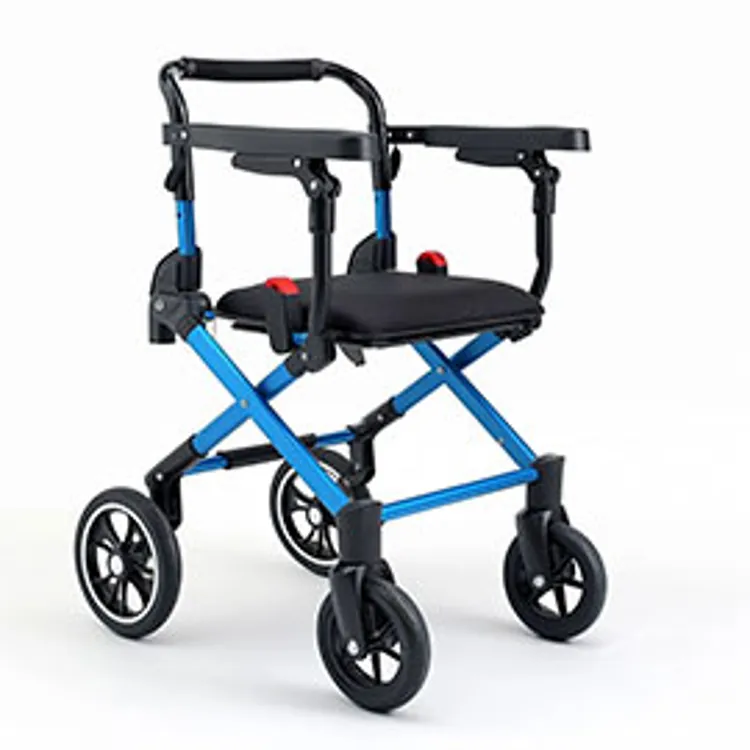
A rollator, also referred to as a wheeled walker, is a walker with a seat, three or four wheels and handlebars. Rollators are mobility devices ideal for those who are able to walk but may need assistance or require frequent breaks. Many rollators also let you adjust the height and include handle brakes and a crossbar for back support when sitting.
What’s the difference between a rollator vs. walker?
A walker is a mobility device with handlebars and four legs. Walkers may feature two wheels or no wheels, depending on the model. A rollator is similar but includes three to four wheels and a seat.
The main difference between a walker and a rollator is that a rollator lets you sit comfortably with support when you need a break from standing. Because rollators have wheels on all legs, they may not provide as much stability for someone with severe balance issues as the stationary legs of a walker would.
Understanding rollator types and features
Indoor/outdoor rollators: If you plan on using your rollator outside often, we recommend looking for a device with larger wheels (6 inches or larger) to handle outdoor terrain. Likewise, if you plan on using your rollator in your home, you want to look for a rollator with nonskid wheels that won’t scuff up your tile or wood floors.
Adjustable rollators: Many rollator models let you adjust the height of the handles. This is an important feature to consider if you’re shorter or taller than average — bending or straining to reach the handles can render your rollator ineffective.
Rollator size: You can find rollators with three or four wheels. Three-wheel models tend to be smaller and more narrow, and they can easily maneuver most door frames. Four-wheel rollators tend to provide more support and stability and be a heavier duty option. If you want a four-wheel rollator and plan to use it in your home, measure your door frames to be sure it will fit.
Rollator storage options: Many rollators will come with built-in storage, such as a basket or a bag underneath the fold-up seat. Additional accessories, including storage bags, backpacks and cupholders, can be purchased for rollators to increase the storage capacity of the device.
Rollator brakes: There are two common rollator braking systems: loop-lock brakes, which work by squeezing the handles of your rollator, and push-down brakes, which require downward pressure on the frame. Both systems are generally easy to use, but the push-down brakes require more overall strength or body weight than loop-lock brakes and may cause trouble for petite individuals. Loop-lock brakes tend to be more common and are similar to bicycle handle brakes. A loop-lock brake can easily lock in place if the user pushes down on the brake handle instead of pulling or squeezing upward.
FAQ
Can I get a rollator walker through insurance or Medicare?
In some cases, yes. Medicare Part B may cover a rollator as durable medical equipment (DME) if it’s prescribed by a doctor for use in the home. Private insurance policies may also offer coverage. Check with your insurance provider for specific details.
How much does a rollator walker typically cost?
The cost of rollator walkers varies widely based on features and quality. Basic models can start around $50, while high-end models with advanced features cost several hundred dollars.
How do I maintain my rollator walker?
Regularly check the wheels for wear and tear, ensure the brakes are functioning correctly, tighten any loose screws, and clean the frame and seat. Lubricate moving parts when necessary, according to the manufacturer's instructions.