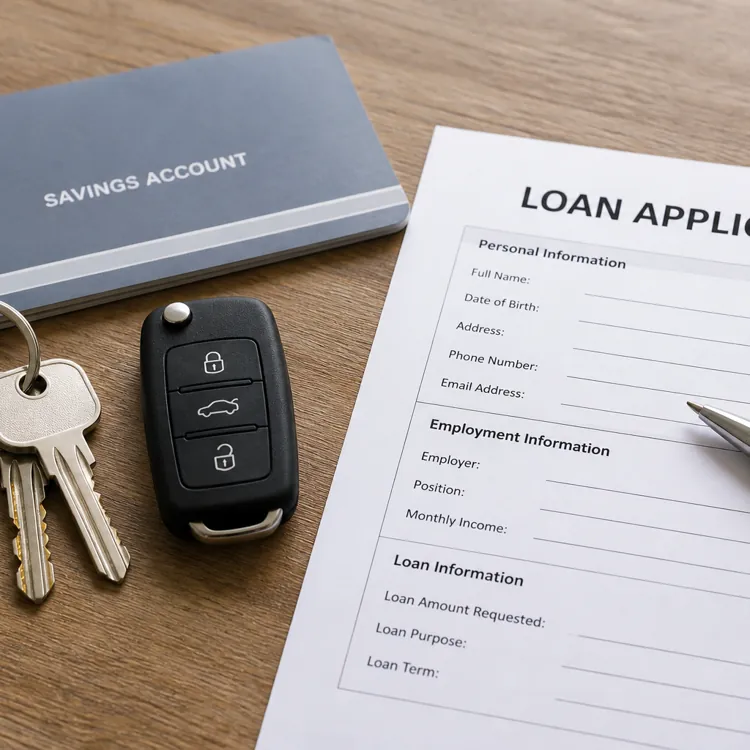


A personal loan is a financial tool that allows individuals to borrow a lump sum of money and repay it over a set period of time. Personal loans are typically unsecured, meaning they don’t require collateral. You can use personal loans for a variety of purposes, such as consolidating debt, paying for a wedding or covering emergency expenses.
Key insights
A personal loan is a lump sum repaid in fixed monthly installments, typically over one to seven years.
Jump to insightPersonal loans can be used for almost anything, though they can’t be used for business, education, investment or real estate purposes.
Jump to insightTo get the best loan for you, get quotes from several lenders and compare their rates and terms.
Jump to insightHow personal loans work
A personal loan is a type of installment loan that’s issued by a financial institution, such as a bank, credit union or online lender. Over time, you’ll make regular monthly payments until the loan is repaid in full.
Loan terms
Personal loans have specific loan terms or repayment periods, which is the length of time you have to pay off the loan. The longer the term, the lower the monthly payment will be. However, a longer term will also increase the overall cost of the loan. Repayment periods typically last from one to seven years.
Loan amounts
Each personal loan lender has a different minimum and maximum loan amount that it will lend overall, though individuals may qualify for different amounts based on their income, credit or other factors. Loan amounts typically range from around $1,000 to $100,000.
Interest rates
Most personal loans have fixed interest rates, which means your rate and monthly payment stay the same for the entire duration of the loan. Some lenders offer variable-rate loans, which means that the interest rate changes based on market conditions. With a variable-rate loan, your payment could go down if rates fall or increase if rates rise.
Approval timeline
Personal loans can be approved quickly, and you can usually receive the money within a few days to a week.
Types of personal loans
There are a variety of personal loans available, so understanding your options will help you find the one that best meets your needs.
Unsecured personal loans
Traditionally, personal loans are unsecured, meaning you won’t have to use an asset as security or collateral. If you don’t repay the loan, you’ll typically go into default. The lender will then have to take legal action if they want to recover the money.
Secured personal loans
A secured personal loan is backed by collateral, such as a home, car, jewelry or cash savings accounts. If you default on the loan, the lender has the right to seize the collateral.
Fixed-rate personal loans
With a fixed-rate personal loan, the borrower pays the same interest rate throughout the life of the loan. Most personal loans have fixed interest rates. This can be helpful for budgeting since your monthly payment will stay the same.
Variable-rate personal loans
With a variable-rate personal loan, the interest rate can change over time based on market conditions. For this reason, payments are generally unpredictable.
» MORE: Secured vs. Unsecured Loans
What can you use personal loans for?
Personal loans can typically be used for a wide range of purposes, including:
- Debt consolidation
- Funeral expenses
- Home improvement projects or repairs
- Medical emergencies
- Vacations
- Vehicle repairs
- Wedding expenses
- Moving expenses
What you can’t use personal loans for
Some lenders ask how you’ll plan to use a personal loan to make sure you use it for allowed purposes. You generally can’t use personal loans for:
- Business expenses
- Education expenses
- Illegal activities
- Investments
- Real estate purchases
Pros and cons of personal loans
Before taking out a personal loan, consider the pros and cons:
Pros
- Wide range of uses
- Widely available
- Typically fast approval and funding
- Opportunity to build credit
Cons
- Risk of more debt
- Potential fees and penalties
- Potentially high interest rates
- Temporary credit score dip when applying
» MORE: Pros and Cons of Personal Loans
Personal loan fees and charges
There are several types of fees to be aware of when getting a personal loan.
Application fees
Some lenders charge a one-time application fee when you apply for the loan. This fee is usually nonrefundable, even if the loan isn’t approved. Many lenders don’t charge application fees, so it’s worth comparing offers.
Origination fees
Lenders might charge an origination fee for processing a loan. These fees typically range from 1% to 10% of the loan amount. Origination fees are often taken out of the loan amount before the funds are sent to you. So if your loan is for $5,000 and there is a 5% origination fee, you'll only receive $4,750.
Late fees
Lenders typically charge a late fee if you don’t make your payment by the due date. Payments more than 30 days late are typically reported to the credit bureaus, which can hurt your credit score.
Prepayment penalties
Some lenders will charge a prepayment penalty if you pay off your loan early, either partially or in full. Prepayment penalties are usually 1% to 2% of the loan amount.
How to qualify for a personal loan
To qualify for an unsecured personal loan, you’ll generally need a good credit score or better, or a FICO score of 670 to 850. You’ll generally receive better terms and rates the higher your credit score is. For a secured personal loan, you may be able to qualify with a fair credit score, poor credit score or no credit history, though you’ll need to put down collateral to secure the loan.
A lender typically assesses a borrower’s creditworthiness based on ... credit history, proof of employment or stable income and overall ability to pay the loan.”
However, note that lenders generally have different qualifications, including income, credit and debt-to-income (DTI) requirements.
“A lender typically assesses a borrower’s creditworthiness based on several factors, including credit history, proof of employment or stable income and overall ability to pay the loan,” said David Morgan, executive vice president and chief loan officer at Lake Trust Credit Union.
How to choose the best personal loan
To find the best personal loan, you’ll want to compare offers from multiple lenders and focus on the overall cost of the loan, not just the monthly payment.
1. Get quotes from multiple lenders
Compare different lenders’ interest rates, terms and fees. Look for application, origination or prepayment fees that can increase the loan’s total cost.
2. Consider different term lengths
Shorter terms cost less overall but create higher monthly payments. Look at different term lengths and select the one that makes the most sense for you based on what you can afford to pay each month.
3. Consider total costs
It’s best to look beyond the monthly payment when comparing loan options. You’ll want to consider how much you’ll pay over the entire loan term, including interest and fees, and choose the loan option with the fewest total costs.
FAQ
How quickly can you get a personal loan?
Many lenders process personal loans in five business days or less. This means you may be able to receive funds within one week.
Can I get a personal loan for debt consolidation?
Debt consolidation is a common reason for taking out a personal loan. With this option, you can consolidate all of your loans into one loan with one monthly payment, which can help make debt repayment easier to manage. You might also get a lower interest rate and a lower overall monthly payment.
What are some factors that affect personal loan terms?
Your credit score will significantly impact the interest rate you’ll qualify for. Generally, the lower your credit score, the higher your interest rate will be. It’s also generally recommended to keep your DTI ratio under 36% for the best rates, though some lenders might accept DTI ratios of up to 40% to 45%.
Is getting a personal loan worth it?
Getting a personal loan can be a smart option for midsize expenses like medical bills, car repairs or debt consolidation, especially if you qualify for a low interest rate and can repay it within a few years. But it might be more expensive than other types of financing, depending on your credit and the loan terms.
What are some alternatives to personal loans?
Some alternatives to personal loans include home equity loans, home equity lines of credit (HELOCs), credit cards or peer-to-peer lending. However, it’s generally recommended to avoid using credit cards in place of a personal loan since they often come with much higher interest rates.
Article sources
ConsumerAffairs writers primarily rely on government data, industry experts and original research from other reputable publications to inform their work. Specific sources for this article include:
- Federal Trade Commission, “How To Get Out of Debt.” Accessed Dec. 30, 2025.