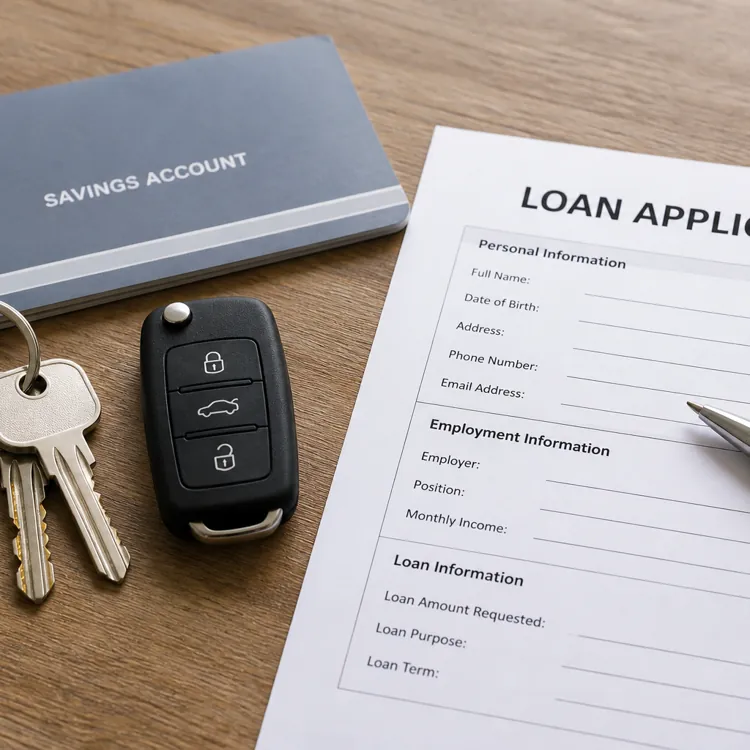

Personal loans, a type of installment loan, are unique because they are typically not secured by collateral (although secured personal loans do exist). Personal loans give you a lump sum of cash rather than a line of credit, and you can use the funds however you need with very few limitations.
There are pros and cons to consider with personal loans, just as with any other financial product. With lower rates than most credit cards, personal loans can help you finance a big purchase or handle an unexpected expense without wiping out your savings. However, you’re also taking on additional debt and entering a fixed repayment agreement.
Key insights
Personal loans are popular since they come with fixed interest rates, fixed monthly payments and a set repayment schedule, making them more predictable than credit cards.
Jump to insightPotential downsides of personal loans include a lack of payment flexibility, strict borrower requirements and the potential for high interest rates if you have less-than-perfect credit.
Jump to insightPersonal loan alternatives include 0% APR balance transfer credit cards, a home equity line of credit, a personal line of credit or informal borrowing from family or friends.
Jump to insightOnly take out a personal loan if you have a specific plan for how you’ll use the money and the room and stability in your budget to repay it over time.
Jump to insightPros of personal loans
When used responsibly, personal loans can be valuable financial tools in a variety of situations, said Andrew Harris of Jenius Bank. For example, installment loans can be utilized for home renovations, large purchases or life celebrations like a wedding or a dream vacation.
Personal loans can also be an excellent tool for debt consolidation since you can lock in a single, consistent loan payment instead of making several payments across multiple debts.
Not only that, but personal loans let you pay the same interest rate and same monthly payment for the life of the loan (often up to seven years or longer), whereas balance transfer credit cards that offer a 0% annual percentage rate (APR) only do so for up to 21 months before reverting your account back to the high variable rates they normally charge.
With these details in mind, here are some of the main advantages of personal loans over other types of loans:
- Wide range of loan amounts: Depending on the lender, you may be able to borrow as little as $1,500 or up to $100,000. This broad range makes it easy to access the exact amount of money you need.
- Online preapproval: Many personal lenders let you "check your rate" and gauge your approval odds before you apply. This can help you see the rates and terms you may be offered without a hard inquiry on your credit report.
- Fixed interest rates: Personal loans typically have fixed rather than variable interest rates that fluctuate with the market.
- Lower rates than credit cards: The Federal Reserve reports that the average credit card interest rate was 21.39% as of August 2025, compared to 11.14% for 24-month personal loans.
- Fixed monthly payments: Because interest rates are fixed and personal loans come with a set repayment schedule, monthly payments are predictable and stay the same until the loan is paid off.
- Flexibility: You can use a personal loan for nearly any purpose, whether you want to finance a wedding or a vacation, or you need to consolidate and pay down high-interest debt. Personal loans are also commonly used for home renovations, medical expenses, adoption fees, costs for IVF fertility treatment and more.
- No collateral requirement: While home equity loans and home equity lines of credit (HELOCs) require you to use the value of your home as collateral, most personal loans do not have any collateral requirements.
Cons of personal loans
There are some notable downsides to personal loans, as well as plenty of reasons to consider other financial products. The unfortunate truth is that personal loans add to your debt load, and more debt can lead to financial consequences and even hardship down the line.
You’re also subject to a big credit score ding if you fail to make your payments. And unlike credit cards, you can’t just pay the minimum; you’ll have to budget for the full amount every month for the life of the loan.
The main disadvantages of personal loans can vary from person to person, but may include:
- Consequences of late payments: While personal loans can help build credit, the opposite is also true. Not only will late payments on a loan negatively impact your credit score, but fees and penalties can add up quickly if you’re not making your monthly payments.
- No payment flexibility: While credit cards let you make only a minimum required payment if you need to, personal loans require the same set monthly payment throughout the life of the loan.
- Origination fees and penalties: Many personal loans charge origination fees that can be as high as 10% of the loan amount. Also, watch out for other hidden fees, such as prepayment penalties.
- Potential for high interest rates: While personal loans for excellent credit can offer exceptionally low rates and great terms, the same cannot be said for those with fair credit or bad credit. In fact, some personal loans have fixed interest rates as high as 35.99%.
- Strict eligibility requirements: Personal loans can sometimes have stricter eligibility requirements than other financial products, meaning those with poor credit or a short financial history may not qualify.
» MORE: Personal loan myths
Pros and cons of long-term personal loans
Many personal loans offer repayment terms that last up to 60 or 84 months, but there are also long-term personal loans that let you pay down debt for up to 144 months. This means you could borrow money for a full kitchen remodel, a new backyard pool, wedding expenses and more, then pay down the amount you owe over 12 full years.
However, depending on the lender, long-term loans may be offered for some purposes and not others. For example, LightStream lets borrowers repay amounts borrowed over up to 144 months if they're getting a loan for home improvements or a boat or RV, yet their debt consolidation loans and wedding loans are only offered in terms of up to 84 months.
While long-term personal loans can offer the financing you need, there are special considerations that come into play when you agree to a repayment term that lasts 10 years or longer.
Pros
- Smaller monthly payments with a longer repayment timeline
- Borrow more than you might have been able to afford with a shorter term
- Lock in fixed interest rates that will not change, even over many years
Cons
- Pay more interest over the life of the loan
- May be stuck paying a monthly payment for longer than you need to
- Longer repayment timelines may not be offered for all loan purposes
Pros and cons of secured personal loans
Though most personal loans are unsecured, meaning they don’t require collateral, secured personal loans are available for those willing to borrow against their assets.
Secured personal loans require you to pledge collateral such as a car, savings account or other asset in exchange for borrowing money. Because the lender has something to claim if you default, these loans often come with lower rates and higher approval odds than unsecured personal loans. Still, the added risk to your assets means they aren’t right for everyone.
Pros
- Lower interest rates compared to unsecured loans
- Easier approval for borrowers with fair or limited credit
- Higher borrowing limits in some cases
Cons
- Risk of losing the collateral if you can’t repay
- Longer approval timelines when collateral must be verified
- Fewer lenders offer them compared to unsecured loans
Pros and cons of personal loan alternatives
If a personal loan isn’t the right fit, several other borrowing options may offer lower costs or more flexibility depending on your situation. Here are the most common alternatives, plus their benefits and drawbacks.
0% APR credit cards
A 0% APR credit card offers an introductory period where you won’t pay interest on new purchases or balance transfers. This can make short-term borrowing significantly cheaper than taking out a personal loan, but only if you can repay the balance before the promo window ends.
Pros
- No interest during the introductory period
- Fast approval and access to funds
Cons
- High APR once the promo period ends
- Requires good to excellent credit
Home equity line of credit (HELOC)
A HELOC lets homeowners borrow against the equity in their property and draw funds as needed, similar to a credit card with a much lower rate. Because your home secures the credit line, lenders typically offer more favorable terms, but there’s also greater risk if you fall behind.
Pros
- Lower interest rates than most personal loans
- Flexible borrowing as needed
Cons
- Your home is used as collateral
- Variable rates can increase over time
Personal line of credit
Personal lines of credit function like revolving credit accounts that you can use, repay and reuse. They offer more flexibility than a one-time personal loan, though rates may be higher and qualification can be tougher.
Pros
- Borrow only what you need
- Interest applies only to the amount you use
Cons
- Higher rates than HELOCs
- Harder to qualify without strong credit
Borrowing from family or friends
Informal borrowing can be one of the cheapest ways to cover a short-term need, especially if you agree on repayment terms upfront. Still, it’s important to treat it like a real loan to avoid misunderstandings or tension later.
Pros
- Little to no interest
- Flexible repayment terms
Cons
- Can strain relationships
- May lack formal documentation
Should you get a personal loan?
Whether you should get a personal loan depends on how much money you need, your credit rating and the purpose of your loan.
For example, while a personal loan for someone with excellent credit can come with low interest rates and fair repayment terms, a personal loan for someone with bad credit tends to charge exorbitant rates and high fees. If your credit score is in the lower range and you have the option to wait it out, you may want to skip borrowing right now and work on improving your credit score first.
The important thing is borrowing responsibly: not borrowing more than you need and making payments on time.”
The purpose of a personal loan can also affect the amount offered and the interest rate. Lenders will ask what the money is for or how you plan to use it during the loan application process. That’s why it’s best to only take out a personal loan if you have a specific plan for how you’ll spend — and repay — the funds.
“The important thing is borrowing responsibly: not borrowing more than you need and making payments on time,” said Harris.
» GET STARTED: How to apply for a personal loan in 5 steps
When not to use a personal loan
Personal loans can be helpful, but they aren’t the right solution for every situation. Avoid taking one out when it could increase your financial risk or create unnecessary debt. Avoid personal loans when:
- You’re financing nonessential spending: Vacations, luxury items and other wants are better paid for in cash or saved for over time.
- Your income is unstable: Freelancers, gig workers or anyone with inconsistent earnings may struggle with fixed monthly payments.
- Your budget is already tight: If you’re barely covering essentials now, adding a new loan payment can increase the risk of missed payments or default.
- You have high-interest debt you can’t manage: A personal loan may not fix underlying budget issues and could worsen the problem.
Here’s what you can do instead of getting a personal loan:
- Build a dedicated savings fund for discretionary purchases.
- Address budget gaps before borrowing, such as reducing expenses or increasing income.
- Consider lower-risk options, such as 0% APR credit cards for short-term needs or talking with creditors about hardship programs.
How to qualify for a personal loan
Qualifying for a personal loan is easier when you know exactly what lenders look for. Following a clear set of steps can help you improve your chances of approval and secure better terms. Here’s how to qualify:
- Check your credit score: Review your reports for errors and understand how your score affects rates and eligibility.
- Confirm your income and debt levels: Lenders want proof you can handle the monthly payment, so gather pay stubs, tax returns or bank statements.
- Compare lenders: Look at banks, credit unions and online lenders to find the best rates, fees and repayment terms for your profile.
- Get prequalified: Many lenders offer soft credit checks that estimate your rate without affecting your score.
- Prepare documentation: Have identification, employment information and financial records ready to speed up approval.
- Review the fine print: Understand all fees, including origination charges, late fees and prepayment penalties, before you sign.
Choosing the right lender
When looking to take out a personal loan, Harris says the best lenders will be more than happy to walk you through the qualification process. You can borrow money from a traditional bank or credit union near your home, or seek an online lender that offers phone support and online chat.
No matter which you choose, having access to a person you can reach out to with questions is crucial when you're planning to borrow money and enter a repayment agreement that could last several months or years.
“Asking questions is an essential part of the loan process, and you want to make sure the people on the other side of the phone, or screen, are ready and eager to help if you have questions or run into issues during the loan process,” said Harris.
FAQ
Can personal loans help improve my credit score?
A personal loan can help improve your credit score if you treat credit responsibly and never miss a monthly payment, according to FICO. An installment loan can also help your "credit mix," which is another factor used to determine FICO scores.
Is it safe to get a personal loan?
Getting a personal loan is just as safe as applying for any other financial product, although you'll want to make sure you're applying with a reputable lender. Before you apply for a personal loan, you should take the time to read lender reviews on sites like ConsumerAffairs and search the Consumer Financial Protection Bureau’s complaint database to check for worrying trends.
Are there any types of loans I should avoid?
You should generally avoid high-cost loans that can trap you in debt. Payday loans often carry extremely high APRs and short repayment windows, making them difficult to pay off. Credit card cash advances can also get expensive because interest starts right away and fees add up quickly. Title loans are risky too, since you could lose your vehicle if you fall behind.
What are the risks of getting a personal loan?
The biggest risks of getting a personal loan include taking on more debt than you can comfortably repay, facing high interest costs if you have fair or poor credit, and paying fees like origination or late charges.
Missing payments can damage your credit score, and with a secured personal loan, you could lose the collateral if you default. If you have a tight budget or unstable income, you’re especially vulnerable to these risks.
Can I pay off a personal loan early?
Yes, most personal loans allow early repayment. Many lenders let you make extra payments or pay the balance in full without penalty. However, some charge a prepayment fee (though it’s increasingly uncommon), so it’s important to check your loan agreement before paying it off ahead of schedule.
Do personal loans affect your taxes?
In most cases, personal loans don’t affect your taxes because the money you borrow isn’t considered taxable income, and the interest isn’t tax-deductible. The exception is if you use the loan for qualified business, investment or educational purposes, in which case certain tax rules may apply. Always check with a tax professional if you’re unsure.
Article sources
ConsumerAffairs writers primarily rely on government data, industry experts and original research from other reputable publications to inform their work. Specific sources for this article include:
- Federal Reserve, “Consumer Credit - G.19.” Accessed Nov. 20, 2025.
- Consumer Financial Protection Bureau, “What is a personal installment loan?” Accessed Nov. 20, 2025.
- Federal Trade Commission, “Home Equity Loans and Home Equity Lines of Credit.” Accessed Nov. 20, 2025.
- FICO, “What's in my FICO Scores?” Accessed Nov. 20, 2025.