
Our top picks for the best boat loans
For our list of the best boat loans, we considered factors like annual percentage rates (APRs), loan amounts, term lengths, fees and minimum credit scores. The best boat loans are generally available to a wide variety of borrowers and have flexible down payment requirements, few fees and low interest rates.
Our picks may be Authorized Partners who compensate us. This doesn’t affect our recommendations or evaluations, but it may affect the order in which the companies appear.
Our top picks for the best boat loans come from:

- Loan amounts
- $5,000 to $100,000
- Term lengths
- 2 to 20 years
- APR
- 6.49% to 25.39%
- Minimum credit score
- 670 to 700
Partner Disclosures
OneMain Financial disclosures
You must complete a loan application and continue to meet any criteria used to select you for a loan offer. Not all applicants are approved. Loan approval and actual loan terms depend on applicant’s state of residence and ability to meet OneMain Financial credit standards such as a responsible credit history, sufficient income after monthly expenses, and if applicable, availability of eligible collateral. Not all approved applicants qualify for larger loan amounts, lower APRs, or the most favorable loan terms. For example, larger loan amounts typically require a first lien on a motor vehicle that is no more than ten years old, meets our value requirements, and is titled in applicant’s name with valid insurance. APRs are generally higher on loans not secured by a vehicle. Example Loan: A $6,000 loan with a 24.99% APR that is repayable in 60 monthly installments would have monthly payments of $176.07. OneMain charges origination fees allowed by law. Depending on the state where the loan is opened, the origination fee may be either a flat amount or a percentage of the loan amount. Flat fees vary by state, ranging from $25 to $500. Percentage-based fees vary by state, ranging from 1% to 10% of the loan amount subject to certain state limits on the fee amount. For information about these fees and minimum and maximum loan sizes available in certain states, visit omf.com/loanfees. Current OneMain Customers: Loan offers presented to a consumer assume the individual has no active loan with OneMain or one of its affiliates. If a customer applies for a new loan offer, a OneMain representative will discuss available options. Active-duty military, their spouse or dependents covered by the Military Lending Act (MLA) may not pledge any vehicle as collateral. If you are covered by the MLA, you are not eligible for secured loans. Loan proceeds cannot be used for postsecondary educational expenses as defined by the CFPB’s Regulation Z such as college, university or vocational expense; for any business or commercial purpose; to purchase cryptocurrency assets, securities, derivatives or other speculative investments; or for gambling or illegal purposes. Time to Fund Loans: Funding within one hour after loan closing through SpeedFunds® must be disbursed to a bank-issued debit card. Disbursement by check or ACH may take up to 1-2 business days after closing.
LightStream disclosures
Your loan terms, including APR, may differ based on loan purpose, amount, term length, and your credit profile. Excellent credit is required to qualify for lowest rates. Rate is quoted with AutoPay discount. AutoPay discount is only available prior to loan funding. Rates without AutoPay are 0.50% points higher. Subject to credit approval. Conditions and limitations apply. Advertised rates and terms are subject to change without notice. Payment example: Monthly payments for a $10,000 loan at 8.99% APR with a term of 5 years would result in 60 monthly payments of $207.54. Truist Bank is an Equal Housing Lender. © 2023 Truist Financial Corporation. Truist, LightStream, and the LightStream logo are service marks of Truist Financial Corporation. All other trademarks are the property of their respective owners. Lending services provided by Truist Bank.
Mountain America Credit Union

- Loan amounts
- Not disclosed
- Term lengths
- Up to 180 months
- APR
- Starting at 7.24%
- Minimum credit score
- None

- Loan amounts
- $1,500 to $30,000
- Term lengths
- 2 to 5 years
- APR
- 11.99% APR to 35.99% APR
- Minimum credit score
- -
Partner Disclosures
OneMain Financial disclosures
You must complete a loan application and continue to meet any criteria used to select you for a loan offer. Not all applicants are approved. Loan approval and actual loan terms depend on applicant’s state of residence and ability to meet OneMain Financial credit standards such as a responsible credit history, sufficient income after monthly expenses, and if applicable, availability of eligible collateral. Not all approved applicants qualify for larger loan amounts, lower APRs, or the most favorable loan terms. For example, larger loan amounts typically require a first lien on a motor vehicle that is no more than ten years old, meets our value requirements, and is titled in applicant’s name with valid insurance. APRs are generally higher on loans not secured by a vehicle. Example Loan: A $6,000 loan with a 24.99% APR that is repayable in 60 monthly installments would have monthly payments of $176.07. OneMain charges origination fees allowed by law. Depending on the state where the loan is opened, the origination fee may be either a flat amount or a percentage of the loan amount. Flat fees vary by state, ranging from $25 to $500. Percentage-based fees vary by state, ranging from 1% to 10% of the loan amount subject to certain state limits on the fee amount. For information about these fees and minimum and maximum loan sizes available in certain states, visit omf.com/loanfees. Current OneMain Customers: Loan offers presented to a consumer assume the individual has no active loan with OneMain or one of its affiliates. If a customer applies for a new loan offer, a OneMain representative will discuss available options. Active-duty military, their spouse or dependents covered by the Military Lending Act (MLA) may not pledge any vehicle as collateral. If you are covered by the MLA, you are not eligible for secured loans. Loan proceeds cannot be used for postsecondary educational expenses as defined by the CFPB’s Regulation Z such as college, university or vocational expense; for any business or commercial purpose; to purchase cryptocurrency assets, securities, derivatives or other speculative investments; or for gambling or illegal purposes. Time to Fund Loans: Funding within one hour after loan closing through SpeedFunds® must be disbursed to a bank-issued debit card. Disbursement by check or ACH may take up to 1-2 business days after closing.
LightStream disclosures
Your loan terms, including APR, may differ based on loan purpose, amount, term length, and your credit profile. Excellent credit is required to qualify for lowest rates. Rate is quoted with AutoPay discount. AutoPay discount is only available prior to loan funding. Rates without AutoPay are 0.50% points higher. Subject to credit approval. Conditions and limitations apply. Advertised rates and terms are subject to change without notice. Payment example: Monthly payments for a $10,000 loan at 8.99% APR with a term of 5 years would result in 60 monthly payments of $207.54. Truist Bank is an Equal Housing Lender. © 2023 Truist Financial Corporation. Truist, LightStream, and the LightStream logo are service marks of Truist Financial Corporation. All other trademarks are the property of their respective owners. Lending services provided by Truist Bank.
SeaDream

- Loan amounts
- Not disclosed
- Term lengths
- Up to 20 years
- APR
- 4.50% to 17.95%
- Minimum credit score
- Varies
How boat loans work
Boat loans are a type of installment loan, with payments typically due on a monthly basis. Payments cover part of the principal and a certain amount of interest. The amount of interest you pay will vary based on several factors, such as the loan’s terms and your creditworthiness.
You can typically get a boat loan for both new or used boats.
You can typically get a boat loan for both new or used boats. Boat loans can also have long repayment terms, with some lenders offering terms of 10 to 20 years. Remember that longer terms mean lower monthly payments but more interest paid overall.
Secured vs. unsecured boat loans
Secured loans are the most common type of boat loan. Secured boat loans typically use your boat as collateral, while unsecured loans don’t require collateral. Unsecured loans work more like personal loans, so they typically come with higher interest rates.
[U]nsecured loans in boat financing are uncommon and subject to creditworthiness limitations.”
“Borrowers are encouraged to choose secured loans using the boat as collateral, as unsecured loans in boat financing are uncommon and subject to creditworthiness limitations,” said David Druey, Florida regional president at Centennial Bank.
Druey said fixed-rate loans are often preferable as they ensure consistent payments for the duration of the loan term. They also tend to have lower interest rates and easier qualification criteria than unsecured loans. However, since your boat serves as collateral, there’s a risk of repossession should you default.
» MORE: Secured vs. unsecured loans
Pros and cons of boat loans
Consider both the advantages and disadvantages before getting a boat loan.
Pros
- Usually quick funding
- Flexible amounts and terms
- Own a boat fully with an unsecured loan
Cons
- Potentially high APRs
- Potential fees
- Risk of repossession with a secured loan
How to get a boat loan
It’s often easier to find a loan before you begin shopping for a boat. This lets you move quickly once you find a boat you’d like to purchase, and it reduces the chance of it selling while you arrange for your loan.
“Securing a boat loan before purchasing allows individuals to leverage their creditworthiness, potentially securing better loan terms while also allowing them to retain cash for other financial priorities,” David Druey said.
1. Get prequalified
Many lenders offer to preapprove or prequalify you for a boat loan so you know how much money you may be able to spend. Compare several lenders’ offers and terms to find the best deal for you.
2. Apply for a loan
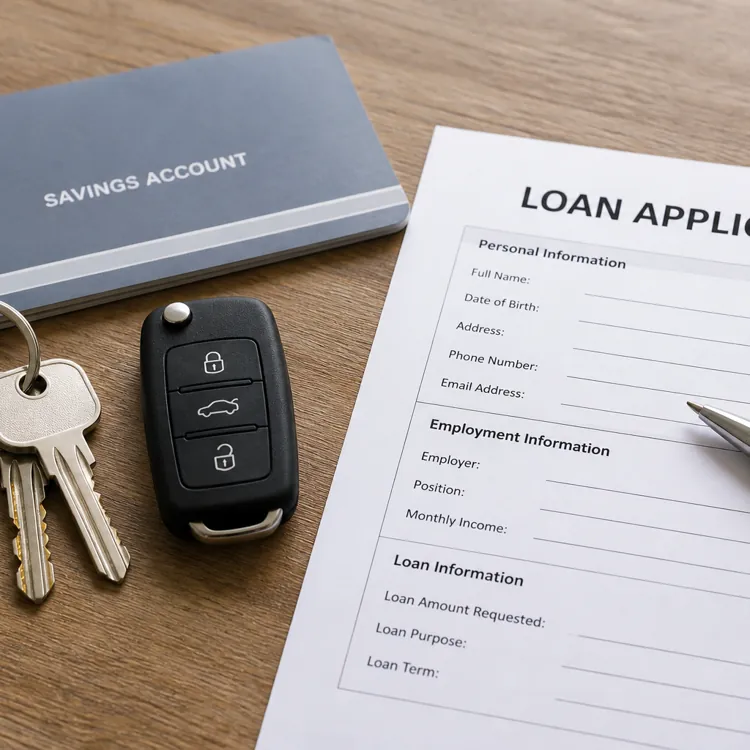
Depending on the lender, you may be able to apply online, over the phone or in person. As part of the application, lenders typically require submitting personal information, including your name, address, Social Security number, birthdate and contact details. They also typically require financial information like your income and employment details.
3. Submit your application
Once you submit your application, the lender will conduct a hard check of your credit. A hard credit inquiry may temporarily reduce your credit score by a few points. Once approved, you can typically expect funding within a few days to a few weeks, depending on the lender.
Note that, if you’re using a loan specifically for purchasing a boat, you may need to make a down payment. Be sure to consider how much you can afford upfront when comparing loans and shopping for a boat.
» COMPARE: Best personal loan companies
Boat loan alternatives
If you’re interested in purchasing a boat, there are some other options to consider.
Financing through a boat dealer
If you want to own a boat but don't want to get a traditional boat loan, explore the option of financing a new or used boat through a boat dealer. Many boat dealers have finance managers who work to secure financing for buyers. They'll collect personal information about your finances, pull your credit report and approach the dealer's lending partners about getting financing on your behalf.
Boat dealers may be able to save you time shopping for a loan, and specific boat brands or models may come with built-in financing deals that other lenders can't easily match. Dealers may also be able to help you gain access to extended warranty programs to help pay for future repairs.
Pay cash for your boat
With an excellent credit score, stable income and a significant down payment, you may be able to secure a boat loan with favorable terms and super-low interest rates.
However, if you have enough money to purchase the boat outright, it makes sense to pay cash for your boat and avoid interest costs. Doing so also lets you choose the types and amounts of boat insurance that fit your budget instead of whatever insurance you need to meet the demands of a lender.
Use a home equity loan
If you own your home and have enough equity, you can take out a home equity loan and use the cash to buy a boat outright. Although the loan won't be secured by your boat, it will be secured by your house. If you use your home as collateral to get the money and fail to make payments on time, the lender can foreclose on your home.
FAQ
How hard is it to get a boat loan?
Getting a boat loan is typically easier if you have a good to excellent credit score, stable income and a low debt-to-income (DTI) ratio. You may also have an easier time getting a loan if you put down 10% to 20% or if you opt for a secured loan.
Can I get a boat loan with bad credit?
Yes, you can typically get a boat loan with bad credit. Some lenders specifically offer boat loans for people with bad credit. However, these lenders may have certain requirements you must meet, such as a specific down payment. In addition, the rates on these loans can be higher, and the terms may be shorter.
What is the typical boat loan rate?
There isn’t a typical boat loan rate you can usually expect, and rates generally vary from lender to lender. Several factors can affect rates, including economic conditions, your credit score and the loan terms.
Can you refinance a boat loan?
You can typically refinance a boat loan. You might opt to refinance if you aren't happy with your current boat loan or if you couldn’t qualify for the best rates and terms when you took out the loan. The process is similar to the initial boat loan process. You’ll compare lenders’ offers, apply for a loan, wait for approval and then start making payments.
You can often save a great deal of money by refinancing a boat loan if you qualify for lower interest rates than you currently pay. But if your credit is worse now than when you purchased the boat, or if you plan to sell it soon, refinancing may not be worth the hassle.
Article sources
ConsumerAffairs writers primarily rely on government data, industry experts and original research from other reputable publications to inform their work. Specific sources for this article include:
- Consumer Financial Protection Bureau, “What Is a Personal Installment Loan?” Accessed Feb. 13, 2026.