
Buzzwords like “natural,” “fat-free,” and “high protein” can make junk food seem healthier than it really is.
Claims like “no high-fructose corn syrup” and healthy-looking images are often just smart marketing tricks.
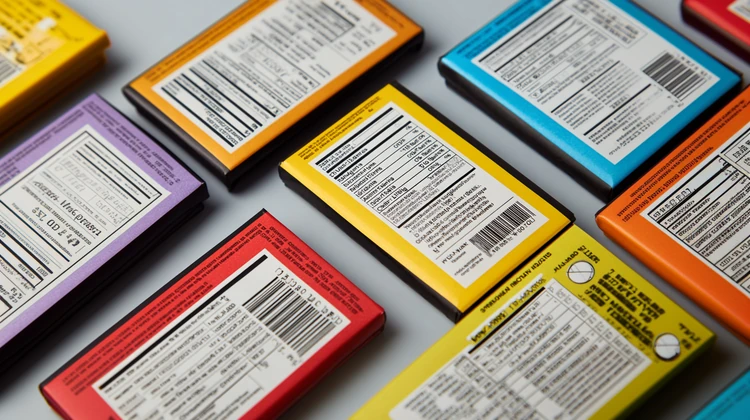
Flip the package over, check the ingredients, and compare similar products before you buy.
Food companies don’t lie, but they definitely don’t tell you the whole story. Instead, according to the Huffington Post, they rely on a “health halo” to get their messaging across.
In other words, they use a few carefully chosen words or images that make you assume a product is better for you than it really is.
If you don’t know what to look for, it’s easy to overpay for food that’s basically dressed-up junk.
The biggest label tricks to watch for
- “All natural” doesn’t mean healthy: According to a food scientist that the HuffPo interviewed, this is one of the most misleading labels out there. “Natural” typically just means no artificial flavors or colors were added. The word by itself says nothing about the amount of sugar, sodium, or calories in a product.
- “Fat-free” or “sugar-free” isn’t a free pass: When brands remove fat, they often add sugar, starches, or chemicals to keep the taste. When they remove sugar, they may add artificial sweeteners. So, keep in mind that you’re not necessarily getting a healthier product, just a reformulated one.
- “No high-fructose corn syrup” is a distraction: This sounds like a product you might grab if you’re trying to reduce your sugar intake. But in actuality, companies often swap in cane sugar, rice syrup, or other sweeteners that have close to the same effect on your body. The real number to care about is total sugar, not the type.
- “Multigrain” sounds healthy, but often isn’t: It simply means more than one type of grain was used. Those grains can still be refined (stripped of nutrients). If you want actual benefits, look for “100% whole grain” or check fiber content.
- “High protein” can hide a lot of junk: Protein is trendy, so brands slap it on everything. But many “high protein” snacks also come loaded with sugar and calories. A protein bar with 20g of sugar is still basically candy with a gym label.
- Healthy-looking images are doing the heavy lifting: Pictures of fruit, leaves, farms, or athletes are designed to trigger a “this is good for me” reaction. That apple on the box doesn’t mean what’s inside is anything like an apple.
What smart shoppers should actually do
- Flip the package over first, not last: Ignore the flashy words and pictures on the front of the package. Instead, go straight to the nutrition label and ingredients list, as that’s where the truth hides.
- Check sugar and sodium immediately: These are the fastest ways to spot a “fake healthy” food. If sugar is high (especially near the top of ingredients), it’s a red flag.
- Look at ingredient order: Ingredients are listed by weight. If sugar (or a variation of it) is in the top three ingredients, that could be a problem.
- Compare similar products side by side: This is one of the easiest wins. Two “healthy” granola or protein bars can have wildly different nutrition labels.
If a product is working really hard to convince you it’s healthy… it probably isn’t. The foods that are actually good for you usually don’t need flashy labels to prove it.