
The CDC says rabies-related inquiries increased 17% from July through August 2026 compared with the same period last year.
People should avoid contact with wildlife, particularly animals that appear sick, injured, or are behaving unusually.
Anyone who may have been exposed should immediately wash the area and contact a healthcare or public health professional.
Rabies may not be something most people think about regularly, but the Centers for Disease Control and Prevention (CDC) is reminding the public to take potential exposures seriously.
In a recent health advisory, the agency reported that several areas of the U.S. have seen increases in people being exposed to animals that are known to carry rabies or could potentially have the disease.
Rabies is a viral disease that affects the central nervous system. It can spread through bites, scratches, or contact with an infected animal's saliva. Once symptoms begin, rabies is nearly 100% fatal, but it can be prevented when appropriate treatment is given before symptoms develop.
The CDC received 17% more rabies-related inquiries from July through August 2026 than it did during the same period in 2025. At least eight state health departments also reported increases in rabies treatment, treatment errors, or both.
What the CDC is seeing
Rabies exposure does not automatically mean someone needs the full course of preventive treatment. Healthcare professionals and public health officials assess the animal involved, how the exposure happened, whether the animal showed signs consistent with rabies, and the severity of any wound.
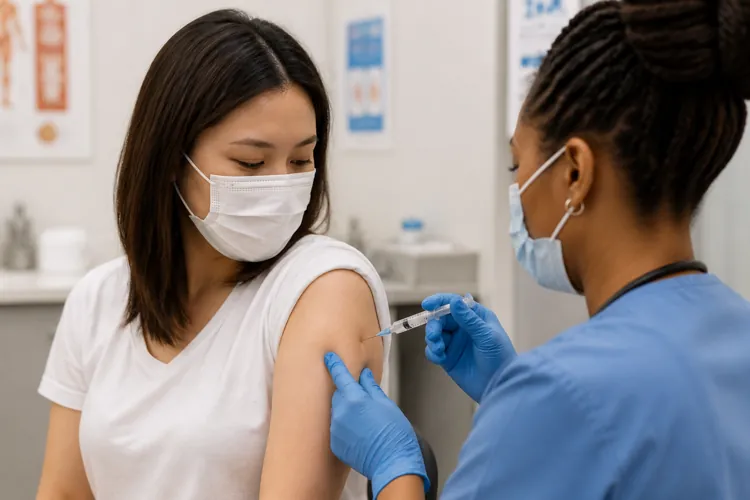
When treatment is necessary, it is called post-exposure prophylaxis, or PEP. For someone who has never previously been vaccinated against rabies, PEP includes rabies vaccine and human rabies immune globulin. People who have previously completed rabies vaccination generally receive two vaccine doses and do not receive the immune globulin.
The CDC says errors in determining who needs PEP or how it is administered can lead to unnecessary treatment, additional doses, potential side effects, and avoidable expenses. A typical course can cost between $11,000 and $14,000 per person.
How consumers can stay safe
The CDC recommends keeping your distance from wildlife and never approaching animals that appear sick, injured, or dead. This is particularly important if an animal is behaving unusually, such as wildlife that is active during the daytime when it is normally active at night.
Pet owners should keep their animals current on rabies vaccinations and keep them away from wildlife when possible.
If you are bitten or scratched by wildlife or an animal acting sick, immediately wash the wound with soap and water — or water alone — for 15 minutes. Then contact a healthcare provider or public health professional to discuss whether you may need rabies-related treatment. If possible, provide details about the animal and its behavior. If the animal belongs to someone else, ask for proof that its rabies vaccination is current.
Most importantly, don't try to handle an unfamiliar or potentially sick animal yourself. Contact local animal control or your health department for help.