
2023 COVID-19

Article Image

Government resumes free COVID-19 test distribution

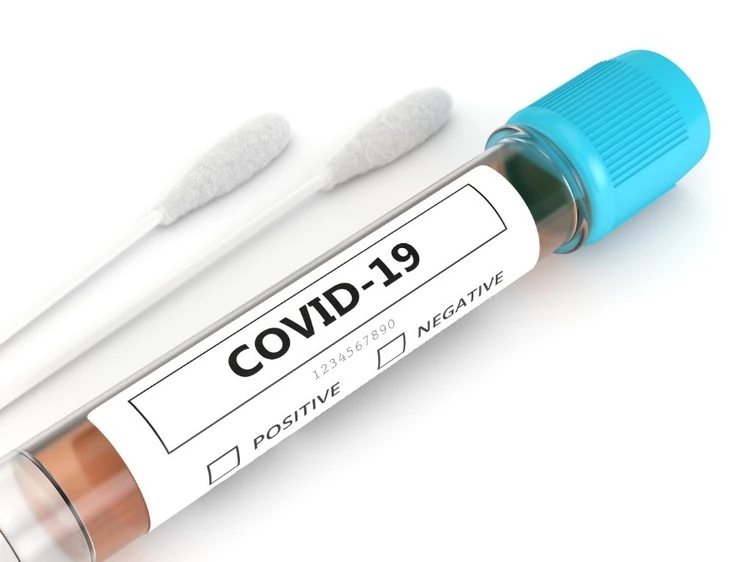
Starting on Monday, September 25, consumers will once again be able to order four free COVID-19 test kits. 

The program for free tests ended back in May of this year when the virus was officially no longer considered to be a public health emergency and the supply of tests was running low.

Now, the Biden Administration has invested $600 million in a dozen different test manufacturers across the United States, and the program will officially reopen on September 25. 

“Manufacturing COVID-19 tests in the United States strengthens our preparedness for the upcoming fall and winter seasons, reduces our reliance on other countries, and provides good jobs to hard-working Americans,” said Dawn O’Connell, assistant secretary for preparedness and response. 

“The Administration for Strategic Preparedness and Response’s (ASPR) investments in these domestic manufacturers will increase the availability of these tests in the future.” 

Detecting the new variants

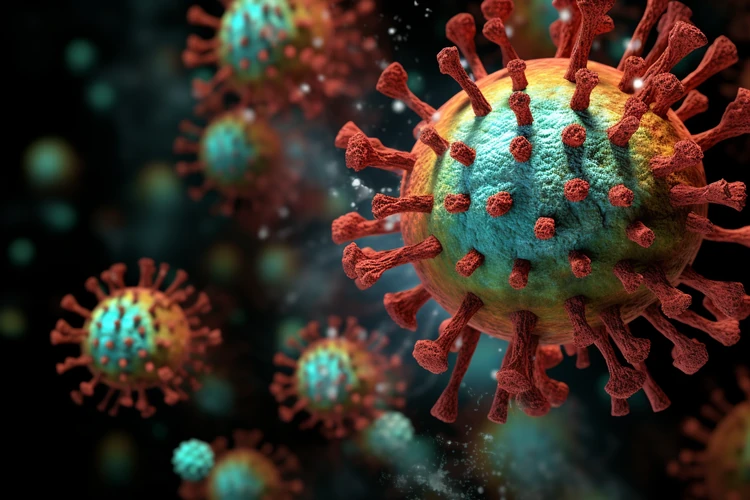
Along with new boosters to tackle the new COVID-19 variants, the latest version of these tests, which will be available to order from COVIDTests.gov, are also designed to detect the most recent strain of the virus. 

Because of this, it’s important that consumers use them in a timely fashion. Experts are encouraging consumers to use this latest batch of free tests before the end of the year. 

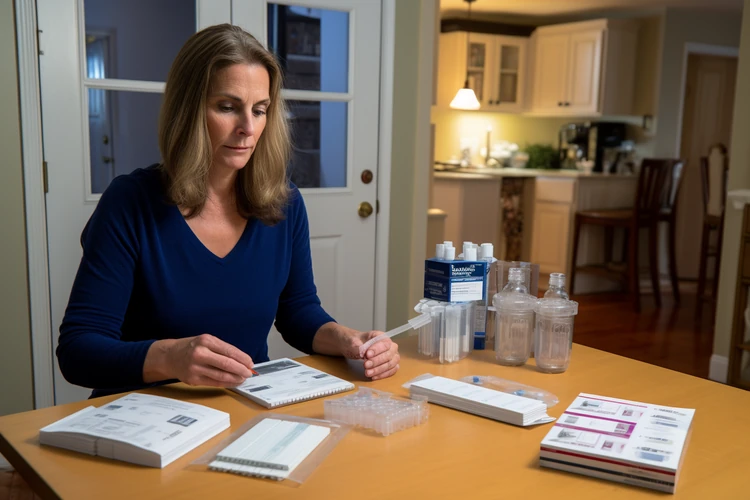
Each box will have clear instructions on how to administer the tests, as well as expiration dates and how to see if your test has an extended expiration. 

It’s also important to note that you may want to hold on to any old tests you have sitting around at home. The U.S. Food and Drug Administration (FDA) has created a list of all the at-home tests and their extended expiration dates so consumers know what to save and what to get rid of. 

All tests will be mailed through the USPS starting October 2, and consumers can leave their email addresses when placing their orders to receive shipping updates on their test kits. When your order ships, you’ll receive an email with a tracking number and estimated delivery date. 

Each household will be limited to four tests per residential address, and consumers can place their orders starting on September 25 here. 

Article Image

Do you know someone thinking of suicide? Here's how to help.

After declining briefly, suicide deaths in the U.S. began to rise during the COVID-19 pandemic. The Centers for Disease Control and Prevention (CDC) estimates there were 48,183 suicide deaths in 2021, rising to an estimated 49,449 deaths in 2022, an increase of approximately 2.6%.

September is National Suicide Prevention Month, with public health organizations working to raise awareness of the signs that someone may be thinking about ending their life.

#BeThe1To is the 988 Suicide & Crisis Lifeline’s message for National Suicide Prevention Month and beyond, which helps spread the word about actions we can all take to prevent suicide. The Lifeline network and its partners are working to change the conversation from suicide to suicide prevention, to actions that can promote healing, help and give hope.

“The troubling increase in suicides requires immediate action across our society to address the staggering loss of life from tragedies that are preventable,” said CDC’s chief medical officer Dr. Debra Houry. “Everyone can play a role in efforts to save lives and reverse the rise in suicide deaths.”

An overlooked reason

There can be many reasons someone considers taking their life. Often depression is a major contributor, caused by a traumatic life change.

A report this month from the Identity Theft Resource Center (ITRC) points to another overlooked reason. The report found that identity theft victims are more likely than others to consider suicide.

A survey of victims found 8% considered it in 2020, with the percentage doubling to 16% in 2022. The survey seeks to measure the emotional toll that identity theft takes on its victims.

“This year’s report reflects the responses of 144 victims who contacted the ITRC between January 1-December 31, 2022,” the group said in a statement. “The ITRC also asked 1,048 consumers in an online survey if they had been the victim of an identity crime and, if so, how it impacted them. Responses from this broader set of self-identified victims using similar questions asked of victims who contacted the ITRC show both significant differences and common experiences.”

What you can do

The National Action Alliance for Suicide Prevention and the 988 Suicide & Crisis Lifeline suggest five steps to help safeguard people from the risk of suicide and support them when in crisis:

  1. Ask: Asking and talking about suicide may in fact reduce rather than increase suicidal ideation.

  2. Help keep them safe: Reducing a suicidal person’s access to lethal means is an important part of suicide prevention.

  3. Be there: Increasing someone’s connectedness to others and limiting their isolation has shown to be a protective factor against suicide.

  4. Help them connect: Individuals that called the 988 Lifeline were significantly more likely to feel less depressed, less suicidal, less overwhelmed, and more hopeful by the end of calls.

  5. Follow up: After you’ve connected a person experiencing thoughts of suicide with the immediate support systems that they need, following up with them to see how they’re doing can help increase their feelings of connectedness and support. There’s evidence that even a simple form of reaching out can potentially reduce that person’s risk for suicide.

According to the National Institute of Mental Health (NIHM), warning signs include withdrawing from friends and family, extreme changes in sleep patterns, displaying extreme mood swings and expressing a feeling of being a burden to others.

Article Image

After three years, what do we really know about COVID-19?

Remember March 2020? Cases of COVID-19 began to fill U.S. hospitals and there was more than a little fear of this new virus.

For more than two years, COVID-19 dominated Americans’ lives and brought massive changes to the U.S. economy. But with the quick development of vaccines and therapeutics, cases and deaths rapidly declined.

Months ago President Biden declared the pandemic is over and the Centers for Disease Control and Prevention (CDC) reduced its safety guidance. Businesses – and even medical facilities – no longer required masking.

On March 10, Johns Hopkins University, which had maintained a COVID-19 dashboard for three years, tracking cases, hospitalizations, and deaths, announced it would no longer update the site.

What have we learned?

So, after three years what have we learned about COVID-19 and our health care system? Dr. Dung Trinh, chief medical officer at the Healthy Brain Clinic, says the threat has changed over time.

“The virus has mutated into different variants which can be more contagious and potentially cause more severe symptoms than the original strain,” Trinh told ConsumerAffairs. “The good news is that as more people are vaccinated, or have already been infected by COVID-19, herd immunity is increasing and the risk of new infections and severe infections is decreasing.”

According to the CDC, as of March 15, 2023, the current 7-day average of weekly new cases was 21,422, down 19.7% compared with the previous 7-day average. But the threat hasn’t completely disappeared. That’s why some people are still wearing masks in public while others don’t. 

Some feel more at risk

“Many different reasons abound why some people are still wearing masks and others are not,”  Dr. Soumi Eachempati, co-founder and CEO of CLEARED4, told us. “Many of these reasons stem from people’s perceptions of COVID and their own understanding of their personal vulnerabilities. Some individuals are masking because they feel themselves to be at risk for complications or death from COVID and will mask regularly in public. These individuals may be older or immunosuppressed due to concomitant illnesses such as cancer or lung diseases.”

Many researchers and health care professionals are now focusing on a condition known as “long COVID,” symptoms that linger for weeks, or even months. Jean-Jacques Schoch, general manager at The Heal Long COVID Project, says long COVID is one of the greater threats, even for people with only mild symptoms.

Dr. Nagesh Borse, deputy chief health officer at Project Hope, says there has been a lot of confusion surrounding that condition. At last, however, he says effective treatments have emerged.

“Most recently Metformin showed efficacy in trials, which offers a path to improvement,” Borse told ConsumerAffairs. “The challenge now, as with Paxlovid, is to ensure access to treatment to those who need it in an affordable and timely manner.”

Paxlovid is an oral drug developed by Pfizer that, when taken at the onset of symptoms, has been shown to be highly effective in preventing serious illness. It’s one reason that for many Americans, COVID-19 is a manageable risk.

In its last update to its dashboard, Johns Hopkins reported there had been 103.8 million U.S. cases of COVID-19 over the last three years with 1.1 million deaths attributed to the virus.