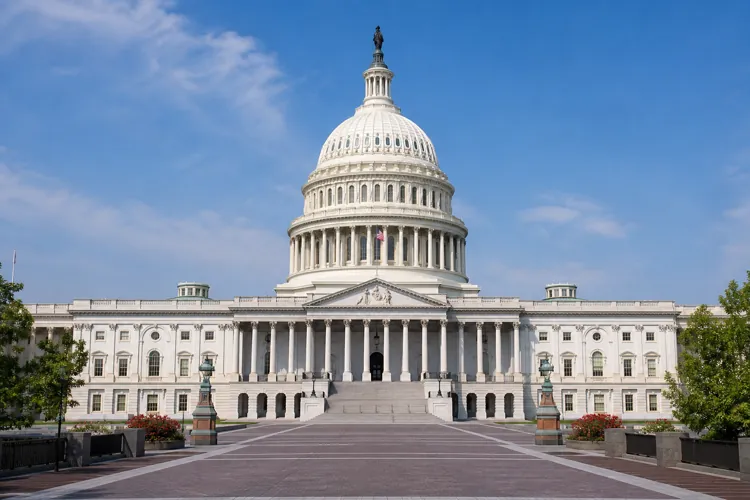

The House voted 417–3 to pass a bill aimed at keeping data center construction costs off household electricity bills.
The measure would require state regulators to consider making large data centers pay for the power infrastructure built to serve them.
It would not lower bills immediately, and states would not be required to adopt the proposed standard.
The U.S. House of Representatives has overwhelmingly passed legislation intended to prevent households and small businesses from paying for power grid upgrades needed by large data centers. The 417–3 vote sends the Ratepayer Protection Act to the Senate.
Data centers need substantial amounts of electricity to run servers and cooling systems. Serving a new facility can require power generation and upgrades to transmission lines or local distribution equipment. If a utility spreads those costs across all its customers, residents and nearby businesses could see higher bills.
The House bill proposes a standard under which a qualifying data center would pay the full additional cost of upgrades needed to serve it. It also calls for the customer to provide financial assurances before construction begins, so other customers are less likely to be left paying for an upgrade if the data center cancels its contract or stops buying power.
The measure applies to new electricity agreements for data center sites or campuses with peak demand of at least 100 megawatts. House Energy and Commerce Committee leaders say the approach would let states protect ratepayers while continuing to attract data center investment.
What the bill would mean for electricity bills
The proposed protection has limits. If the bill becomes law, state utility regulators and certain utilities would have to consider the cost recovery standard and make a decision on it, generally within two years. They would not be required to adopt it. The bill also focuses on qualifying large data centers and the additional infrastructure costs needed to serve them; it does not promise a reduction in existing electricity rates.
Sen. Martin Heinrich, D-N.M., objected to advancing a Senate version of the measure, arguing that asking states to consider the standard does not go far enough. He favors a requirement that large electricity users pay for the grid facilities needed to connect them.
The stakes are growing as data center electricity use rises. The U.S. Energy Information Administration projects substantial growth in power consumption by data center servers over coming decades.
For consumers, the House vote is a step toward deciding who pays for that growth. It changes no utility bill today. The bill still needs Senate approval and the president’s signature, and its effect would depend in part on the decisions state regulators make.