2023 Home Product Recalls and Safety Alerts

Article Image

Insurance claims and Halloween go hand in hand

What’ll it be for you this Halloween? Trick or treat – or trip and sue? If you don’t want the latter, then you may want to make home safety a priority for Halloween.

Claims data from Travelers Insurance show that on Halloween, the insurance company experiences 15% more theft claims on-premises and 72% more vandalism and malicious mischief claims compared to every other day of the year. 

And it’s not just one or two things that can go wrong, either. On the theft side of the ledger of potential problems, a lot of consumers get lazy in two areas when they go trick-or-treating.

For one thing, Travelers researchers found that only 52% of respondents lock their doors when they go trick-or-treating. And another 35% of homeowners turn all their lights out in the house when they go out to trick-or-treat, giving the impression the house is empty to any thieves.

Another potential hazard waiting to ruin the celebration is live fire. Like all the candles we love to burn – 52% of survey respondents said they burn real candles inside their home and another 39% said they do the same outside. 

Sure, you may say “That’ll never happen to me” and you might – or might not – be right. But stuff happens.

According to the National Fire Protection Association, there are about 800 home structure fires every Halloween, reeking $13 million in property damage. Some 45% of these fires occurred because the decorations were too close to a heat source, such as a candle or hot equipment.

Then, there are a bunch of folks who like to have the neighbors over and build a bonfire in the backyard to keep everyone warm – another certain potential fire hazard if the fire’s not completely put out. And worse, yet, if the embers of the bonfire land on your neighbor’s property.

If you want to play it safe

Jennifer Wilbert, assistant vice president, Personal Insurance Property at Travelers told ConsumerAffairs that it’s actually pretty easy to play it safe at Halloween without losing your spooky mojo. Her advice goes like this:

  • Do not put candles in places where they might be easily knocked over, and never leave a lit candle unattended. 

  • Clear your yard and sidewalk of potential hazards that could trip up trick-or-treaters, and make sure the path to your door is well-lit. 

  • If you’re heading out to enjoy Halloween festivities yourself, take steps to make your home appear occupied as a deterrent to thieves and vandals. Ask a neighbor to keep an eye on your property, and/or leave security systems, motion-triggered lights and other theft deterrents activated to make your home a less attractive target. You can even leave a light or TV on in the house to make it seem like you’re home. 

  • If possible, park your car off the street — and ideally, in a garage. If you have to leave your car outside, make sure your valuables are removed or hidden from view, and that your car is locked. 

Wilbert says we should pay particular attention to our Halloween decorations. If you haven’t bought yours yet, she suggests avoiding dried flowers, cornstalks and crêpe paper because they are highly combustible.

“Keep these and other decorations away from open flames and heat sources, including light bulbs and heaters,” she cautions.

As for electrical decorations, she recommends making sure that whatever you buy has been tested for safety. “Look for a certification mark from UL, CSA, ETL or another nationally-recognized laboratory,” Wilbert recommends, adding three other precautions for electrical safety:

  • When plugging in decorations, avoid daisy-chaining extension cords, which may cause overheating.

  • Never staple, nail through or fasten electrical wires or extension cords in any way that might damage the wire or insulation. This could cause electrical shock or fire.

  • Plug all outdoor lights and decorations into ground-fault circuit interrupters (GFCIs) to help reduce the risk of electric shock. Portable GFCIs for outdoor use can be purchased where electrical supplies are sold.

And don’t forget your car

Another forget-me-not is that vehicle thefts and break-ins spike during Halloween. Wilbert says that you should always make sure your car is locked and stored in a garage if possible. Plus, avoid leaving valuables inside your vehicle overnight like wallets, electronics, etc. 

Article Image

Summer has arrived with opportunities for fun -- and danger

What is your favorite summertime activity? Riding your ATV, time at the pool, firing up the grill?

All three of those can be fun but -- if you're not careful -- hazardous.

Fortunately, the Consumer Product Safety Commission (CPSC) has some advice on how to keep everyone safe -- especially children.

ATV Riding

Off  Highway Vehicles (OHVs), especially All Terrain Vehicles (ATVs) can be a lot of fun, but they can also be dangerous if not used properly. CPSC figures covering the period from 2017 through 2019 show there were 2,178 deaths associated with OHVs; nearly 70% were ATVs and 283 OHV deaths were children under 16 years old.

The agency estimates that in 2021, there were 106,600 emergency room treated injuries associated with OHVs with 29% to children under 16 years old. The dangers are real and include overturning, collisions, and occupant ejection.

The following ATV safety tips can ensure a safe and enjoyable ride:

  • Training: Get hands-on training from a qualified instructor.
  • Seats: Never ride with more passengers than there are seats. Most ATVs are designed for one rider.
  • Stay off paved roads: Never ride on public roads, except to cross, where permitted by law.
  • No Drinking: Avoid drinking alcohol before or while driving an ATV.
  • Age Limits: Riders younger than 16 should drive only age-appropriate youth models -never adult models.
  • Safety Gear: Always wear a helmet and other protective gear, such as eye protection, boots, gloves, long pants and a long-sleeved shirt.

Pool Safely

A dip in the pool may be a good way to escape the heat, but it is important to remember to stay vigilant when it comes to water safety. ConsumerAffairs recently covered pool safety in depth here, but it doesn't hurt to review the safety tips:

  • Supervision: Never leave children unattended in or near a pool, and always designate an adult to watch over the pool area.
  • Barriers: Install barriers around the pool, to prevent unsupervised access by children.
  • Swimming Skills: Learn how to swim and teach your child how to swim.
  • Drains: Keep children away from pool drains and ensure that they are properly covered to prevent entrapment.
  • CPR: Learn how to perform CPR on children and adults.

Outdoor Cooking and Grilling

What is summer without occasional outdoor cooking and grilling? While fun and enjoyable, these activities can also be dangerous if not done with safety in mind.

According to CPSC, 13 deaths occur on average every year, and in 2022, there were 5,400 ER-treated injuries associated with grills -- burns being the most common.

To reduce these risks and have a safe grilling experience, follow some general safety tips:

  • Recalls: Check www.cpsc.gov to see if the grill has been recalled – follow the remedy if recalled. Earlier this year, there was one grill recall.
  • Inspect: Look over the grill and any gas hoses for cracking, brittleness, holes and leaks. Replace, if necessary.
  • Location: Use grills outside only, in well-ventilated areas and never indoors, in a garage, breezeway, carport, porch or under a surface that will burn.
  • Starters: Only use appropriate fire starters and only before lighting the fire. Never add liquid fuel after trying to start a fire.
  • Observe: Never leave a hot grill unattended and keep children away from the grill area.
  • Clean up: Clean your grill with a ball of aluminum foil or nylon brushes, instead of wire grill brushes, to prevent stray wire brush strands from ending up in the food.
  • Extinguishers: Keep a fire extinguisher nearby and make sure that everyone knows how to use it.

Summer is a lot more fun if you spend the time in the backyard rather than the emergency room.

Article Image

Fire extinguisher balls sold on Amazon may cause serious injury or death, CPSC warns

The Consumer Product Safety Commission (CPSC) is warning consumers about a potentially fatal device that they might have in their homes – fire extinguisher balls. 

Several popular brands, all of which are sold on Amazon, have been called into question for allegedly failing to extinguish fires, which ultimately increased the risk of serious injury – and possible death – to consumers. The agency warned about the following brands of fire extinguisher balls: LVYXON, TATTCHINE, ARMYJY, PETSTIBLE, HelloPharma, Vixuiyz, and JHEUAYK. 

For consumers shopping on Amazon, the following ASINs should be avoided, the agency said: 

  • LVYXON: B0BCPL2QY8 and B0BCPH6M9L

  • TATTCHINE: B0BCYXZ5H9 and B0BCYWR1VH

  • ARMYJY: B0BB6Y1JQQ

  • PETSTIBLE: B0BD3RL3K9 and B0BD3T4BNX

  • HelloPharma: B09YNKKKM2

  • Vixuiyz: B09YRRL241

  • JHEUAYK: B0BCQ121VL and B0BCWR36DQ

Failing to meet guidelines

The CPSC explained that one of the biggest issues with these devices is that they don’t meet specific safety requirements for fire extinguishers. All of the brands mentioned above reportedly failed to meet three key safety guidelines: NFPA 10 Standard for Portable Fire Extinguishers, UL 299 Dry Chemical Fire Extinguishers, and UL 711 Rating and Fire Testing of Fire Extinguishers. 

All of these devices also posed serious health and safety risks for consumers by failing to actually extinguish fires, according to CPSC. 

“Specifically, the identified products can fail to properly disperse fire-suppressing chemicals and fail to extinguish a fire,” the CPSC wrote. “In addition, the products do not have a pressure gauge or pressure indicator, a locking device to reduce the risk of unintentional discharge, a self-closing valve for intermittent discharge, or a nozzle to direct the discharge.” 

For any consumers who may have these extinguishers in their homes currently, the CPSC encourages you to stop using them immediately and also dispose of them. Both hazardous waste facilities and local fire departments will accept these devices. 

The agency also recommends that consumers report any product-related injuries to SaferProducts.gov to ensure that any future extinguishers meet the UL 299 and UL 711 safety standards. 

Article Image

With the swimming season on the way, here are some tips for staying safe at the pool

Warmer weather will soon be upon us, and that means more time outdoors -- and at the pool.

Regarding the latter, the Consumer Product Safety Commission (CPSC) notes that thousands of people, many of them children, require hospital emergency room treatment each year for injuries associated with swimming pools.

Along those lines, CPSC reports that three separate manufacturers have issued recalls for pool drain covers.

Vijayli-US is recalling about 116 drain covers, Liusin is recalling about 40 covers, and Pickloud-US is recalling about 100.

All of the recalled products fail to conform to the entrapment protection standards of the Virginia Graeme Baker Pool and Spa Safety Act (VGBA), posing an entrapment hazard to swimmers and bathers.

No injuries involving any of the drain covers have been reported.

All three of the drain covers were sold exclusively on amazon.com from 2020 to 2023 for between $30 and $50.

What to do

For the Vijayli-US covers, consumers should immediately stop using pools with the recalled pool drain covers, remove the drain cover from the pool and contact the firm at vijayli2233@outlook.com for instructions on how to return the drain cover for a full refund.

Vijayli is contacting all purchasers directly.

Consumers may contact the firm by email at vijayli2233@outlook.com or online at https://www.amazon.com/sp?ie=UTF8&seller=A1JRUV5LNLJLG1&asin=B07SS1L5PN&ref_=dp_merchant_link&isAmazonFulfilled=1

For the Liusin drain covers, consumers should immediately stop using pools with the recalled pool drain covers, remove the drain cover from the pool and contact the firm at liuliusingus@163.com for instructions on how to return the drain cover for a full refund.

Consumers may contact the firm by email at liuliusingus@163.com or online at the Liusin-US page on Amazon.com and https://www.amazon.com/sp?ie=UTF8&isAmazonFulfilled=1&marketplaceSeller=1&orderID=111-7892181-1912255&seller=A1TKW763O7K0KI.

For the Pickloud drain covers, consumers should immediately stop using pools with the recalled pool drain covers, remove the drain cover from the pool and contact the firm at Jdbvxaa@hotmail.com for instructions on how to return the drain cover for a full refund.

Consumers may contact the firm by email at Jdbvxaa@hotmail.com or the Pickloud-US page on Amazon.com.

Pool safety tips

The best way to enjoy your time at the pool is to make sure you do it safely. To ensure that, the CPSC offers the following advice:

  • Use non-slip materials on the deck surrounding your pool and on the diving boards and ladders.
  • Have the electrical systems installed by licensed electricians and in accordance with recognized standards for safety.
  • Fence in your pool area to prevent access to unsupervised children.
  • Place a safety float line where the bottom slope begins to deepen (approximately the five-foot level) ,
  • Keep all electrical appliances, such as radios, away from the pool because of the potential shock hazard which they present.
  • And last, but not least, learn to swim well!
Article Image

Three combination smoke and CO detectors to avoid

A combination smoke and carbon monoxide (CO) detector in the home can alert you to the presence of hazardous smoke and gas -- if it works.

If it doesn't, the consequences can be fatal.

On the heels of a recent warning about the failure of such devices to operate properly, the U.S. Consumer Product Safety Commission (CPSC) is adding another three brands to its “do not use” list.

The agency says Petricor, Varwaneo and Wjztek detectors can fail to alert consumers to the presence of hazardous smoke.

CPSC performed sensitivity tests on the three brands and found that they failed to alert when exposed to pre-determined concentrations of smoke in violation of UL 217, a voluntary safety standard.

Death from fumes, not flames

Most deaths in residential fires are due to smoke inhalation, rather than heat and flames. There may be as little as one or two minutes to escape after the smoke alarm sounds before the conditions in the home become incapacitating or deadly.

According to CPSC, more than 2,390 people in the U.S. die every year from residential structure fires. In fact, people in homes without a working smoke alarm are twice as likely to die as those whose homes are equipped with detectors.

Here's what NOT to buy

The combination detectors in question are made of white plastic, with approximate dimensions of 4 x 1.5 x 4 inches.

The Petricor and Varwaneo models feature a digital display, and the Petricor and Wjztek models have a label on the back containing the model number.

The combination detectors are advertised to detect dangerous levels of smoke or carbon monoxide and alert with a flashing red LED and a loud alarm pattern.

Model No. MQ-808 was sold under the Amazon ASIN B09DPPFJZJ; and Model No. ACJ-512COM was sold under the Amazon ASIN B0928QZ21C; and Model No. KT-X3 was sold under the Amazon ASIN B07QVC2722 and B07M8LR9M7.

The combination devices were sold on Amazon.com for between $15 and $53.

What to do

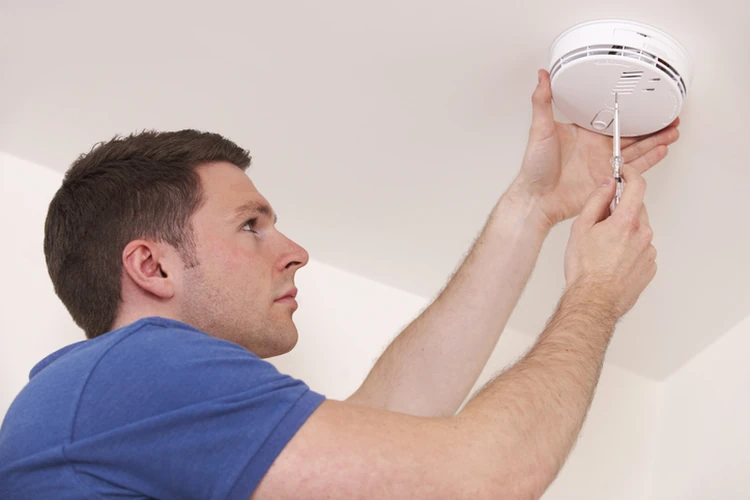
The combination smoke and CO detectors, which should be battery operated or have battery backup, should be installed on each level of the home and outside separate sleeping areas. They should be tested frequently with batteries replaced as needed.

Consumers should stop using the combination smoke and CO detectors, dispose of them immediately and install new, working CO detectors.

Article Image

CPSC adopts rules to prevent furniture tip-over deaths

The Consumer Product Safety Commission (CPSC) has implemented new regulations that require furniture makers to meet a standard for safety and stability.

Specifically, dressers, armoires, wardrobes, and other clothing storage units must be made in such a way, or secured against a wall to prevent them from tipping over and crushing small children. These types of accidents occur more frequently than you might think.

According to the CPSC, 234 people, mostly children, have been killed by falling furniture since 2000. During that time 84,100 people have been injured by furniture tip-overs, averaging 5,300 injuries each year.

Congress passed a law late last year called  Stop Tip-overs of Unstable, Risky Dressers on Youth (STURDY) that moved away from voluntary standards and toward mandatory requirements. It’s designed to protect children up to age six by setting requirements that include:

  • Tests for stability when the unit is placed on carpeting

  • Tests for stability with loaded drawers and with multiple drawers open

  • Tests that simulate the weight of children up to 60 pounds interacting with the unit

Increased vigilance 

“With the implementation of the new mandatory standard, I expect industry to shift their efforts to quickly comply with these new safety requirements,” said CPSC Chair Alex Hoehn-Saric. “The CPSC will be actively monitoring the marketplace and enforcing this important safety standard.”

A number of public interest groups, including Kids In Danger, pushed for the new mandatory standards. The group’s executive director, Nancy Cowles, said parents who lost children to tip-over accidents made significant contributions to the effort.

Child deaths from falling furniture have led to a number of furniture recalls over the years. One of the latest came in January 2021 when Chicago-based CB2 recalled about 11,355 Junction Tall Chests and Low Dressers sold in the U.S. and Canada. The company said it had received 10 reports of the chests and dressers falling but did not receive reports of any injuries.

Amid growing pressure, IKEA recalled Malm dressers in 2016 but not all of the recalled dressers were removed or anchored to the wall. By 2017 the dressers were believed to be responsible for eight deaths.

Article Image

CPSC identifies another faulty CO/smoke detector

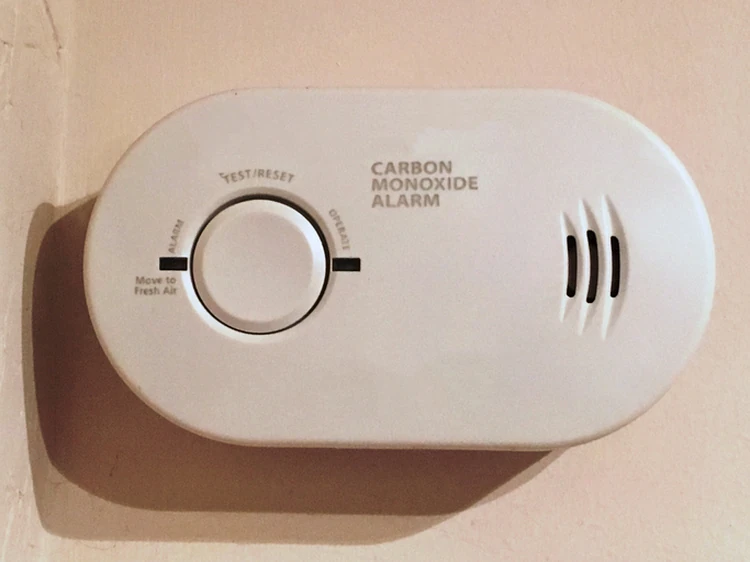
The Consumer Product Safety Commission (CPSC) recently warned consumers about two faulty carbon monoxide detectors that were commonly found on Amazon – the GLBSUNION and the CUZMAK detectors. 

Now, the agency is warning against another faulty device that’s designed to keep consumers safe – the OKEAH digital combination smoke and carbon monoxide detector. With carbon monoxide fatalities on the rise, it’s more important than ever to ensure your home is properly protected in the event of an emergency. 

What are the risks?

The CPSC found that the OKEAH combination detectors were faulty at alerting users to both smoke and CO. 

When testing the smoke detection capabilities, the device failed to meet an important safety standard – UL 217. This means that when exposed to certain levels of smoke, the detector didn’t sound the alarm. 

The carbon monoxide side was similarly dysfunctional, the agency said. The test showed that the device failed to react when exposed to 400 pm of carbon monoxide – a violation of safety standard UL 2034.

While the device is supposed to flash lights and sound alarms when it detects certain levels of smoke or CO, neither happened during either test. 

The faulty devices were found on Amazon and sold under ASIN B097B63W44 for between $25 and $75. The CSPC encourages consumers to check their smoke and carbon monoxide detectors and ensure they don’t have faulty devices installed in their homes. 

Should you have one of these detectors in your home, it’s important to dispose of it as soon as possible and install new devices. Any new smoke/CO detector should meet the UL217 and UL2034 safety standards. 

Additionally, consumers can report faulty products to the CPSC at SaferProducts.gov. 

Article Image

Tupperware sends up a distress flare

Tupperware, a kitchen essential for decades, is in trouble. The company that makes the containers for leftovers is struggling financially.

In a filing with the Securities and Exchange Commission (SEC), Tupperware Brands Corporation disclosed that it had received a notice from the New York Stock Exchange (NYSE) that indicated the company is not in compliance with current regulations because it had failed to file Annual Report on Form 10-K for the year ended December 31, 2022.

In the filing, the company said it is not confident it can file the report by the extended deadline. It further painted a gloomy picture of its future.

“In accordance with Accounting Standards Codification (“ASC”) Topic 205-40, Going Concern, the Company evaluates whether there are certain conditions and events, considered in the aggregate, that raise substantial doubt about the Company’s ability to continue as a going concern,” the company disclosed in the filing.

In other words, company executives have doubts about whether Tupperware Brands Corporation can stay in business. The filing says the company reached that conclusion after reviewing its financial situation and finding there simply isn’t enough money coming in to pay the bills.

Working with financial advisers

In a press release, the company said its board of directors is actively working with management in an effort to turn things around. It has also hired financial advisers to help it secure supplemental financing and is engaging in discussions with potential investors or financing partners.

Among the possible moves is the sale of certain real estate to raise capital. It said other assets could also be on the chopping block.

"Tupperware has embarked on a journey to turn around our operations and today marks a critical step in addressing our capital and liquidity position," said Miguel Fernandez, president and CEO of Tupperware Brands.  "The company is doing everything in its power to mitigate the impacts of recent events, and we are taking immediate action to seek additional financing and address our financial position." 

Tupperware was invented in 1946 by Earl Tupper, who developed the idea for plastic containers to be used in households to contain food and keep them airtight. He also developed a novel marketing approach to sell the products through “Tupperware parties” held in private homes.

Article Image

Do you know what to do to stay safe during a dangerous storm?

This month kicked off with a number of intense storms in various states across the U.S., which begs an important question for consumers: are you prepared to stay safe during these dangerous storms? 

Whether your answer is yes, no, or maybe, the Centers for Disease Control and Prevention (CDC), the American Red Cross, and the Consumer Product Safety Commission (CPSC) have all weighed in to help people prepare for the storm and ensure their safety until it passes. 

Prepare for the storm

Some of the most important work you’ll do is before the storm hits. Does your family have an emergency kit? Do you know where the safest place in your home is? Have you practiced tornado drills? These are all important questions as you prepare for the storm. 

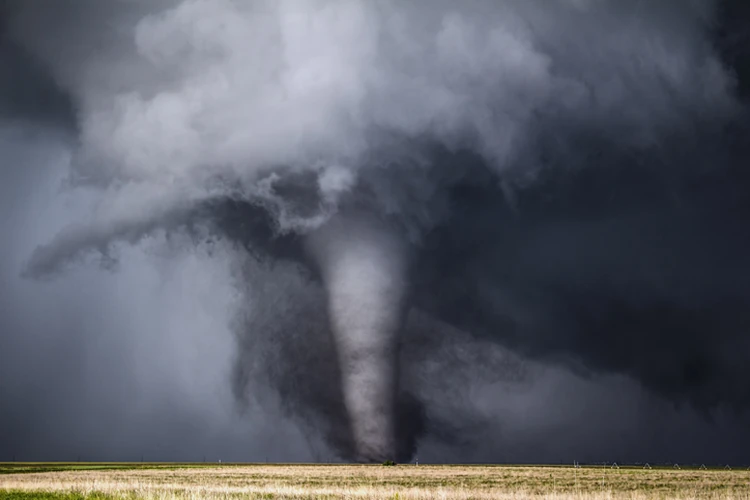
During a tornado, the goal is to find a spot that’s safest during extreme winds. This is often the lowest level of a home in a room that has no windows. In terms of tornado drills, being able to get to the designated area as quickly as possible is key. 

Consumers should also be thinking about stocking their homes in the event of a storm. Water bottles, non-perishable foods, and medications are a good place to start. 

The Red Cross recommends having a “go-kit,” which would have three days of important supplies that you can carry with you, and a “stay-at-home kit,” which would have at least two weeks of supplies. When it comes to medications, the agency recommends keeping a one-month backup supply for emergencies like this. 

The CDC also recommends keeping fresh batteries on hand in case of a power outage, as well as devices that are battery-operated to stay connected to any important weather updates. 

Staying safe if the power goes out

The CPSC offered a number of tips for consumers should the power go out in the middle of a dangerous storm. 

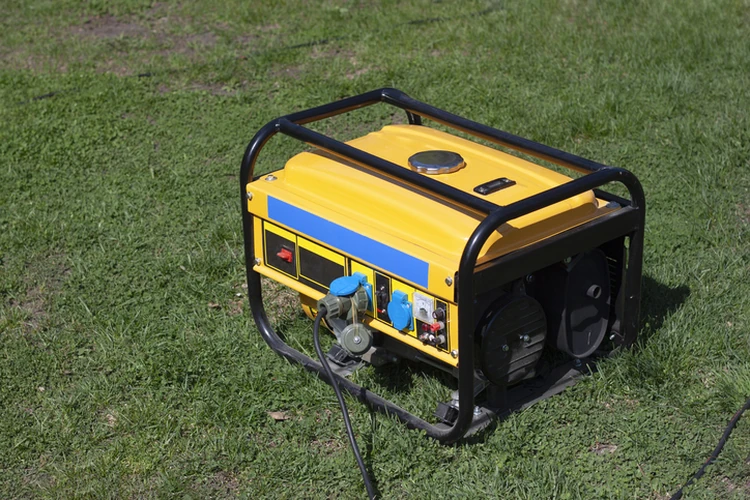
Many people turn to a portable generator when the power goes out, but as helpful as these devices are, they also can come with a number of risks. One of the biggest risks is carbon monoxide poisoning, and the CPSC recommends having a generator that comes with a CO shut-off safety feature, as these will turn off automatically when CO levels become too high. 

Portable generators should also never be used inside the house – this includes carports or porches. Consumers should be at least 20 feet away from their homes when using these devices. 

Similarly, when using portable heaters, charcoal, or candles, safety is key. Portable heaters should never be closer than three feet to anything that could catch fire – curtains, bedspreads, sofas, clothes, etc. These devices should only be used in dry locations – never near water – and should only be plugged into wall outlets – not under carpeting or into power strips. 

Candles and charcoal pose similar threats, and the same warnings apply. Battery-operated candles are a safer option for consumers, while charcoal should never be burned indoors. 

During a dangerous storm, experts recommend that you closely follow the news in your local area for any important updates, and check in with your friends and family as often as possible. 

Article Image

Carbon monoxide fatalities are on the rise, CPSC says

With no smell or smoke, carbon monoxide poses a significant threat to consumers’ health and well-being. While CO detectors play an important role in both public and private spaces, a new report from the Consumer Product Safety Commission (CPSC) is urging consumers to be more aware of the risks of the invisible gas. 

The report looked at CO-related deaths from 2009 through 2019 and found that in 2019, there were roughly 250 related fatalities – a figure far higher than any other year in the report. Because of this upward trajectory in recent years, the CPSC hopes to spread awareness of the risks of CO. 

Know what devices pose the biggest risk

The report analyzed CO-related deaths over the course of a decade, breaking down the cause of each one. The factors include space heaters, pool heaters, ranges and ovens, grills and camp stoves. 

Ultimately, engine-driven tools proved to be the biggest risk when it came to CO-related fatalities. Over the course of the entire study, these devices were responsible for the largest number of such deaths – 118 in 2019 alone, and 50% of all such deaths on average.

Of these devices, gas-powered generators were associated with the greatest CO risk. Fatalities linked to these devices went as high as 89 in 2017, and accounted for 36% of all CO-related deaths on average.  

Heating systems, and more specifically furnaces, were the second biggest CO risk. Heating systems of all kinds accounted for nearly 30% of CO-related deaths, while furnaces were responsible for 10%. Portable heaters are another CO risk, as these devices were also linked to 10% of all related deaths. 

Following best practices

Just because these devices pose a risk regarding CO, that doesn’t mean consumers need to avoid them entirely. Instead, the CPSC hopes this report encourages consumers to take their safety more seriously when using potentially dangerous devices. 

To ensure that heating products are used for their primary purpose – keeping spaces warm – and not unintentionally poisoning consumers with CO, proper cleaning and maintenance of vents and all heating devices on a yearly basis is recommended. This goes for wood stoves, furnaces, fireplaces, chimneys and boilers. 

When it comes to portable generators, consumers should never use these devices inside the home. That goes for the basement, crawl space, attached garage, or shed. Twenty feet from the home is the recommended distance when using these devices. Additionally, a portable generator with a CO safety shut-off feature is recommended to ensure that emissions never get to dangerous levels. 

CO detector testing

Recently, a few brands of CO detectors commonly purchased on Amazon were found to be defective. Without a properly functioning carbon monoxide detector, consumers are significantly increasing their risk for CO poisoning or death. 

Consumers should regularly check that their CO detectors are working and well-maintained and always have extra batteries on hand in case of emergencies. CO detectors should be found on every floor of the home, as well as outside of every sleeping area. 

Article Image

Two brands of digital CO detectors may not do their job, report finds

Carbon monoxide detectors play an important role in consumers’ safety in their homes, and now two brands have come under fire for failing to do their jobs. 

The Consumer Product Safety Commission (CPSC) is warning consumers about two digital carbon monoxide detectors that are currently sold on Amazon that have allegedly failed to alert consumers to dangerous levels of CO: the GLBSUNION and the CUZMAK. 

Following tests done on the GLBSUNION and CUZMAK detectors, CPSC said neither device was effective at signaling when an area had reached 400 ppm – a violation of safety standard UL 2034. Failure to detect CO puts consumers at risk of carbon monoxide poisoning, which can be fatal. 

Even though there is no recall, the CPSC is urging consumers to dispose of these detectors if they have them in their homes and to replace them with working devices. The agency also hopes that companies stop making them accessible to consumers.

What to avoid

The CPSC is identifying which specific makes and models of these CO detectors consumers should avoid. 

Model number CD01 was sold on Amazon under the ASIN: B07MPVK6HG and B07K44HLCV. Model number AJ-938 was sold on Amazon under the ASIN: B093Y1KK5Q and B093Y637CM.

Both detectors have digital display screens and are supposed to alert consumers of dangerous levels of CO with both a loud alarm and a flashing red light. 

The CSPC encourages consumers to only purchase CO detectors that meet the UL 2034 safety standard. Additionally, for optimal safety in the home, the following actions are recommended: 

  • Regularly replace the batteries in your CO detectors

  • Ensure that every floor of the home has a CO detector

  • Ensure that CO detectors are located outside of all sleeping areas

  • Keep backup batteries on hand for your CO detectors 

  • Do routine tests of your CO detector

More faulty CO detectors

These two faulty CO detectors join a seemingly growing list of defective devices that are designed to keep consumers safe. Just a few months ago, another CO detector sold on Amazon – the HECOPRO – was found to have the same issues as the GLBSUNION and CUZMAK. 

While none of the items have been recalled, it’s important for consumers to know what risks are out there. 

Article Image

Space heaters and generators can keep you warm, but they carry risks

Supplemental heating devices such as space heaters are good to have when the weather turns frigid and you need a little something extra to warm up that room.

But the U.S. Consumer Product Safety Commission (CPSC) wants you to know that there can be danger associated with these devices if you're not careful.

CPSC urges consumers to take safety precautions while keeping their home warm this winter.

Portable Heaters

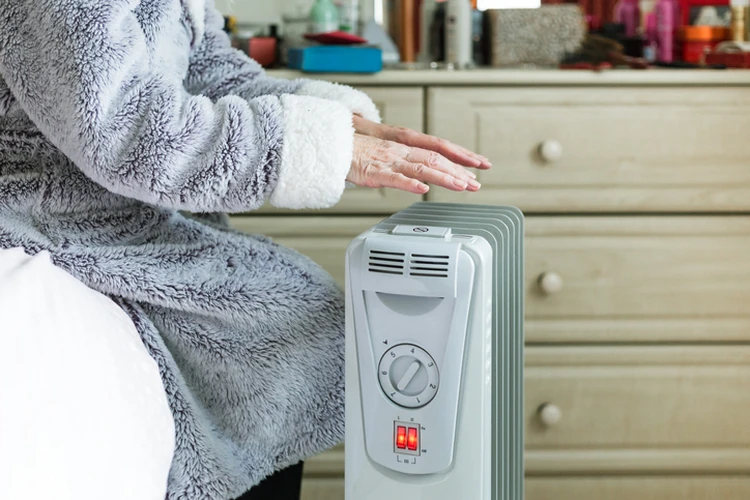
Portable heaters – including electric space heaters – according to CPSC estimates -- were involved in an average of 1,700 fires per year, from 2017 to 2019, resulting in an average of 70 deaths and 160 injuries annually.

In this case, size really does matter.

Mallory Micetich, Home Expert at Angi – formerly Angie's List – says you need to be sure the heater is compatible with the size of your room. A space heater that is too large for the room, carries the risk of starting a fire.

“You should also consider the placement of your space heater,” she advises. “Keep it far away from any combustible materials to reduce the risk of fire.”

Placing them too close to combustible materials, such as drapes, furniture or bedding, raises that risk, so she recommends keeping them at least three feet away from these materials.

Fire isn't the only concern with space heaters.

Using space heaters in smaller rooms can dry and dehumidify a room too much, which can lead to respiratory issues.

CEO Tim David of Airlucent, which deals with HVAC/Heating/Air Quality issues, says that when air becomes too dry, “it can cause dryness in the nose and throat, leading to irritation and making it more difficult to breathe." “

This is especially bad for people with conditions such as asthma or allergies.

"You should consider using a humidifier if you are susceptible to these dry air conditions,” David adds.

Generators

If your power goes out in the midst of a winter blast, that presents another problem.

If you have a gasoline-powered generator be wary. Generators can produce as much carbon monoxide (CO) as hundreds of cars, according to CPSC.

The agency estimates that more than 800 people died from CO poisoning associated with generators from 2011-2021 -- over 103 in 2020 alone.

Portable generators should be used outside only, and at least 20 feet from the home with exhaust pointed away from any nearby building. Never use a generator inside a home, basement, shed or garage.

Article Image

Is the government really coming for your gas stove?

Earlier this month the White House felt compelled to address reports that the Biden administration was open to a ban on the use of gas stoves in U.S. households. The White House says it is not.

“The president does not support banning gas stoves,” White House Press Secretary Karine Jean-Pierre told reporters. “And the Consumer Product Safety Commission (CPSC), which is independent, is not banning gas stoves. I just want to be very clear on that.”

The subject came up after Republicans pounced on comments by Richard Trumka Jr., a member of the CPSC, who called gas stoves a “hidden hazard” during an interview with Bloomberg News.

Gas stoves have been used in American kitchens for 100 years but in recent months have become somewhat controversial. Natural gas is a fossil fuel and Democrats generally frown on it. 

But chefs, both professional and amateur, seem to prefer gas ranges for their ability to finely tune heat. As of 2020, about 38% of the country’s households were using natural gas for cooking, according to U.S. Census data from the U.S. Energy Information Administration.

Popular in Democratic states

In four states — New Jersey, California, Illinois and New York — approximately 60% to 70% of homes cook with gas. Since all four states are “deep blue,” it makes the gas stove controversy a political hot potato for Democrats.

Who would want to ban gas stoves? Republicans say environmentalists are behind it, part of a campaign to discourage the use of all fossil fuel. In his interview, Trumka seemed to lay his cards on the table. 

“We need to be talking about regulating gas stoves, whether that’s drastically improving emissions or banning gas stoves entirely,” he said. “I think we ought to keep that possibility of a ban in mind, because it’s a powerful tool in our belt, and it’s a real possibility here.”

Trumka said gas stoves can release dangerous levels of toxic chemicals, even when they aren’t being used. In a tweet in response to the controversy his remarks triggered, Trumka said the CPSC would “consider all approaches to regulation.”

The Sierra Club, a major environmental group, is in Trumka’s corner on this one. The group claims that gas stoves are a major contributor to childhood asthma. 

The group cites a recent study it says shows nearly 13% of all asthma cases in children in the U.S. can be linked to indoor air pollution caused by the burning of fossil gas in kitchens.